Deer browsing can quickly ruin a seasonal garden or landscape. A durable, deer-deterrent fence that’s easy to install and suitable for American yards is essential. This guide reviews five reliable options designed to deter deer while blending with typical outdoor spaces. Each product is built to resist weather, maintain strength over years, and provide dependable protection for plants, shrubs, and fruit trees. Below, compare key features, installation considerations, and what to prioritize when choosing the best fence for deer control for your property.
| Product | Material | Approx. Size | Strength | Highlights |
|---|---|---|---|---|
| Tenax Deer Fence Barrier Reinforced Edge | Polypropylene | 7.5′ x 100′ | 600–650 lb | Lightweight, easy install, UV-treated |
| Tenax Elk and Deer Fence 7.5′ x 100′ | Polypropylene | 7.5′ x 100′ | 1,400 lb/ft | High tensile strength, nearly invisible |
| Tenax 2A120378 Economy Deer Control Fence | Polypropylene | 7.5′ x 330′ | High tensile, UV-stabilized | Exclusive C-Flex round tensile design |
| Feitore Deer Fence Netting | PP Netting | 7′ x 100′ | Heavy-duty | 3/4 inch mesh, reusable, versatile |
| Tenax Deer Fence C-Flex Select | PP Net | 8′ x 330′ | High tension | Round tensile design |
Note: Product availability and specs can vary by region. Consider local deer pressure, fence height options, and whether you need near-invisibility in landscaping when selecting the best solution for your yard.
Tenax Deer Fence Barrier Reinforced Edge

The Tenax barrier offers a robust 600–650 pounds breaking load using UV-treated polypropylene, resisting rust and corrosion in outdoor conditions. Its reinforced edge design contributes to durable performance against deer pressure while maintaining flexibility for quick, straightforward installation. Users commonly report effective deer deterrence in gardens, orchards, and yards, with a roll format that enhances handling during setup. The fence is lightweight, making it feasible for one or two installers to complete a setup of typical yard sizes.
Tenax Elk And Deer Fence 7.5-Ft x 100-Ft

This large-capacity deer fence features high tensile strength with a breaking load rated at up to 1,400 pounds per foot, making it suitable for areas with strong deer pressure. Constructed from UV-resistant polypropylene, it resists rust, rot, and corrosion, promising long-term durability. Its near-invisible black mesh blends into landscape designs, reducing visual impact while maintaining strong protection against deer. It’s designed for longer runs, ideal for perimeters around larger yards or properties with extensive planting beds.
Tenax 2A120378 Economy Deer Control Fence
This budget-friendly option uses 100% polypropylene with UV stabilization to resist weathering. The exclusive C-Flex round tensile design helps prevent sagging and stretching while allowing wind to pass through, reducing stress on posts. It offers a practical balance of strength, ease of handling, and affordability for homeowners seeking an effective deer barrier without a high upfront cost.
Feitore Deer Fence Netting
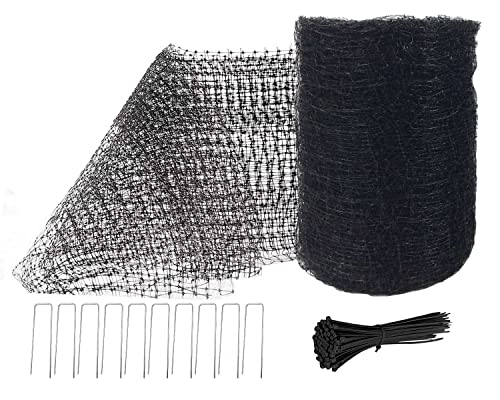
Feitore’s deer netting is a versatile 7′ x 100′ solution with a 3/4 inch mesh designed to protect gardens, trees, and shrubs without harming wildlife. It includes installation nails and cable ties, making setup straightforward for DIY gardeners. The polypropylene construction emphasizes light weight and durability, with reusability a key advantage. The mesh size balances deer deterrence with plant health, minimizing interference with growth while offering broad protective coverage against deer and other pests.
GarveeLife Cattle Farm Fence (Optional Context)

For properties needing robust livestock and deer protection, a galvanized steel option like GarveeLife provides a strong alternative. While primarily marketed for cattle, its 14-gauge galvanized steel wire design offers high durability and resistance to weather, with advanced weaving and reinforced joints to withstand impact. This makes it a potential choice for properties with mixed wildlife pressures or where a more rigid barrier is preferred.
Tenax Deer Fence C-Flex Select

The C-Flex Select model emphasizes a rounded tensile design to resist stretching and sagging, maintaining performance under deer pressure and wind. It’s engineered for moderate to high deer activity and provides a sturdy barrier for long runs. The black mesh maintains a low profile in the landscape while delivering reliable year-to-year protection against deer incursions.
Buying Guide: Key Considerations For Deer Fence Success
Protection level and deer pressure
Assess the typical deer activity on your property. In high-pressure areas, opt for higher-strength materials (polypropylene with high tensile ratings or galvanized options) and consider taller fences or additional deterrents to reduce the likelihood of deer breaching the barrier.
Material and durability
Polypropylene fences resist rust and rot and perform well outdoors when UV-stabilized. In environments with severe weather, ensure the material has UV protection and rated breaking load. A strong, long-lasting fence saves maintenance time and reduces replacement frequency.
Visibility and aesthetics
Black or dark mesh tends to blend with surrounding vegetation, reducing visual impact while remaining effective. If landscape aesthetics are paramount, consider near-invisible designs that minimize conspicuous fencing without sacrificing deer deterrence.
Installation and maintenance
Lightweight, roll-form fences are often quicker to install and easier to handle than rigid alternatives. Check for included installation accessories (nails, ties) and plan for proper post spacing to avoid sagging. Regular inspections after storms or heavy winds help maintain deterrence over time.
Cost and value
Balance initial cost with expected lifespan. Economy models may offer excellent value for smaller properties, while larger properties or high deer pressure zones may justify investing in higher-strength barriers and longer runs to reduce ongoing replacement costs.
Environmental and wildlife considerations
Choose nets or meshes with appropriate spacing to prevent harm to birds or small animals. A design that minimizes unintended wildlife entanglement supports sustainable yard management and aligns with local wildlife guidelines.
Compatibility with landscape goals
Consider fence height, run length, and whether you want to preserve sightlines to views or preserve access to garden beds. Some fences blend more seamlessly with existing plantings, while others provide clearer boundaries and stronger deterrence.