Zone 6 gardeners can enjoy lush, vertical blooms when choosing the right climbing roses. This guide highlights five reliable varieties, including own-root and Eden-climber selections, that perform well in cold winters and warm summers. Each option blends fragrance, color, and durability to create striking focal points on trellises, fences, or arbors. Below you’ll find brief descriptions, key features, and a quick buying guide to help compare these climbing roses for Zone 6 landscapes.
| Product | Brand | Hardiness / Notes |
|---|---|---|
| Eden Climber Pink Rose Plant | Heirloom Roses | Zones 5-9; Own Root; One Gallon |
| Reach for The Skies Pink Climbing Rose | Heirloom Roses | Zones 6-10; Own Root; One Gallon |
| Candy Land Climbing Rose | Heirloom Roses | Zones 5-9; Own Root; One Gallon |
| Pretty in Pink Eden Climber | Heirloom Roses | Zones 5-9; Own Root; One Gallon |
| Heirloom Roses | Zones 5-9; Own Root; One Gallon |
Eden Climber Pink Rose Plant

This climbing rose from Heirloom Roses emphasizes robust growth and repeated blossoms. It is sold as own-root, which can translate to stronger blooms and greater hardiness over time. The plant is delivered in a one-gallon container, with rich soil to help establish quickly in Zone 6 gardens. It is suitable for trellises or garden walls, providing a reliable pink bloom that appeals to both traditional and contemporary landscape designs.
Key features include: own-root resilience, a broad hardiness range (Zones 5-10), and easy adaptation for both garden beds and container displays. This cultivar supports longer blooming periods under proper pruning and sunny conditions, making it a versatile option for homeowners seeking color with minimal maintenance.
Reach for The Skies Pink Climbing Rose
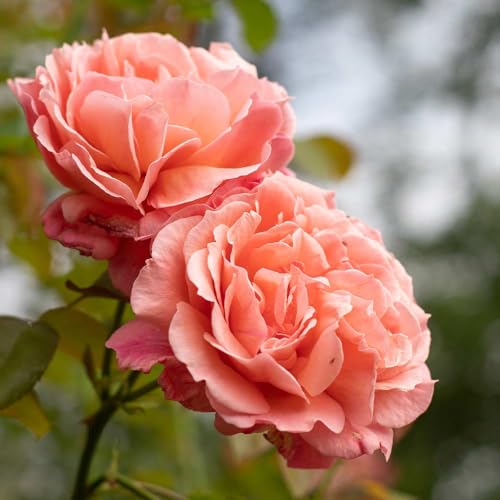
From the same family of climbing roses, Reach for The Skies is noted for its vigor and extended climbing habit. With an own-root system and a one-gallon container, this plant is ready for Zone 6 installations on arbors or fences. Its pink florals tend to repeat across the growing season, and the plant is described as hardy within zones 6-10, making it a strong choice for moderate winters and sunny summers.
Important considerations include: reliable performance in cool winters, a strong root system from being own-root, and suitability for trellises. Regular pruning after bloom cycles helps maintain shape and encourages continued flowering throughout the growing season.
Candy Land Climbing Rose

Candy Land is a charming climbing rose designed for vibrant color and reliable performance. Sold as an own-root plant in a one-gallon container, it caters to Zone 5-9 gardeners, including Zone 6. The rose is prized for its hardy nature and the potential to produce steady clusters of blooms that can edge along walls, fences, or pergolas. As with other climbers, proper spacing, sun exposure, and well-draining soil contribute to the best results.
Key points to note: own-root vigor, a manageable container size for establishment, and broad hardiness. Use strategic pruning to encourage upward growth and maintain vigor across seasons.
Pretty in Pink Eden Climber

Pretty in Pink Eden Climber combines the aesthetics of Eden-climber varieties with a pink palette. This own-root rose is delivered in a one-gallon container, ready for Zone 6 plantings on walls or arbors. It tends to deliver a cascade of blooms during the growing season, offering a strong fragrance and a refined pink tone that complements many garden styles. Its hardiness range (Zones 5-9) makes it a versatile choice across the Midwest and Northeast.
Considerations include its adaptability to sun exposure, irrigation needs, and pruning timing. Owners should provide consistent moisture in hot summers and prune after bloom flushes to maintain vigor and shape.
Arborose Honeymoon White Rose
Arborose Honeymoon White Rose adds a light, airy look to climbing installations. It is listed as own-root with a one-gallon container and is suitable for Zones 5-9, including Zone 6. The white blossoms offer a delicate contrast against green foliage, enhancing architectural features like garden walls and trellises. This cultivar is reputed for resilience and lower maintenance compared with some grafted varieties, making it a practical option for beginners and experienced gardeners alike.
Purchasing considerations include the plant’s growth habit, bloom timing, and how it pairs with nearby plantings. Regular pruning, feeding in early spring, and mulching help sustain vigorous growth and bloom quality throughout the season.
Buying Guide: Climbing Roses for Zone 6
- Hardiness and origin: Prioritize zones listed (5-9 or 6-10) to ensure winter resilience in Zone 6 climates.
- Root type: Own-root roses often offer stronger blooms and better hardiness than grafted varieties, but may require more attention to root health.
- Site selection: Choose full sun (at least 6 hours daily) for best flowering. Ensure well-drained soil and adequate space for vertical growth.
- Water and soil: Deep, infrequent watering encourages deep root systems. Use rich soil and mulch to retain moisture and suppress weeds.
- Pruning and maintenance: Pruning after bloom encourages new canes and flowering; regular inspection helps prevent common issues.
- Color and fragrance: Consider color palette and fragrance to complement surrounding features and seasonal interest.
In summary, these five selections provide a blend of Eden-climber varieties and strong pink climbers, all suited to Zone 6 conditions. Each option offers own-root advantages, container adaptability, and reliable performance on walls or arches. When planning, match each plant’s hardiness and sun needs to your garden’s microclimate for the best results.