Greenhouses rely on sturdy, clear plastics that transmit light while resisting tearing, UV damage, and weathering. This guide highlights five hard plastic options—ranging from thick 6- to 18-mil films and polycarbonate panels—that provide reliable protection and long-term performance for farms, gardens, and hobby setups. Each product is evaluated for strength, UV resistance, light diffusion, and ease of installation to help you choose the right coverage for your climate and crop needs.
| Product | Thickness / Type | Size | UV & Light Diffusion | Notable Feature | Brand |
|---|---|---|---|---|---|
| Chicarry Greenhouse Film 12×25 | 6 mil Film | 12 x 25 ft | High light transmittance | 5-layer co-extrusion; tear resistant | chicarry |
| Chicarry Greenhouse Film 24×25 | 6 mil Film | 24 x 25 ft | High light transmittance | Premium material; UV resistant | chicarry |
| Promore Greenhouse Film 12×25 | 6 mil Film | 12 x 25 ft | Light diffusion > 90% | UV blocked > 20% | PROMORE |
| Promore Greenhouse Film 8×25 | 6 mil Film | 8 x 25 ft | Light diffusion > 90% | Heavy duty; UV resistant | PROMORE |
| ZSLTLDU 18 Mil Greenhouse Cover | 18 mil Polyethylene | 14 x 18 ft | UV resistant; long life | Double-layer woven with grommets | ZSLTLDU |
Choosing the right hard plastic for a greenhouse involves considering thickness, UV protection, light transmission, and durability. The options below present practical, durable coverings and panels designed to withstand sun, wind, and variable temperatures while promoting healthy plant growth.
Chicarry 12×25 Greenhouse Film

The Chicarry Greenhouse Plastic Sheeting comes in a 12-by-25-foot layout with 6 mil thickness. The product uses 5-layer co-extrusion to boost mechanical strength and flexibility, enabling resistance to tears while maintaining clear visibility. It protects plants from UV radiation at higher temperatures, helping to extend film life. With high light transmittance, it distributes sunlight evenly, supporting warmer conditions in cooler weather and potentially accelerating crop readiness. Suitable for farms or large garden operations, this film emphasizes longevity and consistent performance over multiple seasons.
Chicarry 24×25 Greenhouse Film

This larger variant from Chicarry measures 24-by-25 feet and uses the same 6 mil clear polyethylene construction with premium strength features. The 5-layer co-extrusion provides robust mechanical durability and flexibility to resist UV exposure at high temperatures. It delivers high light transmittance to evenly spread sunlight, supporting consistent crop growth and the possibility of earlier harvests in cold seasons. Ideal for bigger greenhouse footprints requiring durable, long-lasting film that reduces maintenance downtime.
Promore 12×25 Greenhouse Film

The Promore 12×25 greenhouse film emphasizes heavy-duty 6 mil polyethylene with built-in UV blockers that block more than 20% of harmful rays. The result is enhanced longevity against sun degradation and reduced film damage over time. Notably, it achieves light diffusion above 90%, ensuring even distribution of natural light across plant beds to prevent hot spots and promote uniform growth. This option suits growers needing strong UV protection and reliable diffused lighting in a standard 12-by-25 footprint.
Promore 8×25 Greenhouse Film

This Promore option provides an 8-by-25-foot footprint, with 6 mil heavy-duty polyethylene that resists tears and weathering. UV protection exceeds 20%, slowing film aging due to sun exposure. Like its 12-by-25 sibling, it delivers light diffusion above 90%, which helps maintain uniform plant growth across a compact greenhouse area. It’s a practical pick for gardeners needing a balance of space efficiency and durable protection.
ZSLTLDU 14×18 Mil Greenhouse Cover
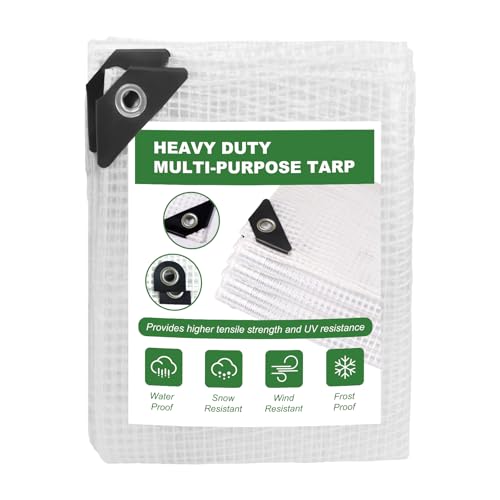
The ZSLTLDU cover is a heavier option at 18 mil polyethylene, designed for long-term durability in demanding conditions. It features a double-layer woven construction with UV inhibitors to curb premature aging and degradation. Grommets and reinforced hems add anti-tear strength, making it suitable for larger, wind-prone sites where extra security matters. This cover emphasizes rugged protection and longevity over seasons in harsher climates, albeit with a trade-off in flexibility compared to lighter sheets.
Buying Guide: Key Purchase Considerations For Hard Plastic Greenhouse Covers
- Thickness and durability: Higher mil ratings typically translate to greater tear resistance and longer service life, particularly in windy or exposed locations. Consider 6 mil as a baseline for general use and opt for heavier options (e.g., 18 mil) for extreme weather or long-term installations.
- UV protection: UV inhibitors slow material degradation due to sun exposure. Look for films that explicitly mention UV resistance or blockers, especially in outdoor setups with prolonged sun exposure.
- Light diffusion and transmittance: Uniform light distribution prevents hot spots and supports even plant growth. Filmmaterials with >90% light diffusion are advantageous for consistent greenhouse performance.
- Size and fit: Match the film dimensions to your greenhouse footprint. Larger panels reduce seams and potential leakage but may require heavier handling during installation.
- Ease of installation: Some products feature reinforced edges, pre-punched grommets, or easier sealing methods. Be mindful of the installation method, especially for larger areas or frequent weather shifts.
- Material type: Polyethylene films are common and economical; polycarbonate panels provide rigid structure with superior impact resistance and insulating properties, though they’re heavier and often more expensive per square foot.
- Maintenance and cleaning: Hydrophobic or anti-drip surfaces reduce water spots and condensation on film, aiding transparency and reducing plant stress due to moisture buildup.
- Longevity vs. cost: Higher upfront cost could translate into longer intervals between replacements. Consider climate, crop value, and labor costs when evaluating total ownership expenses.
- Grommets and edge sealing: Reinforced edges and rust-resistant grommets improve stability against wind and ensure a longer-lasting installation, especially in exposed locations.
When selecting hard plastic coverings for your greenhouse, align product attributes with your specific climate, crop requirements, and maintenance capacity. The options above provide robust protection, good light diffusion, and clear guidance on installation—supporting consistent yields and durable performance year after year.