Carpenter bees can compromise wooden structures, creating galleries and potential damage. This article reviews top insecticides that specifically target carpenter bees and related wood‑infesting pests, highlighting application methods, coverage, and safety for homeowners. The selections below are ready-to-use or easy-to-apply options designed for indoor and outdoor use, with a focus on residual control and practical application in hard-to-reach areas.
Summary of selected products
| Product | Brand | Key Use | Format | Approx. Coverage |
|---|---|---|---|---|
| Atticus Tirade 1% Dust Insecticide | Atticus | Directed residual control of wood‑infesting pests | Dust | Not specified on listing |
| Termite and Carpenter Bee Killer Plus | BioAdvanced | Kills termites and carpenter bees; foam expands into cracks | Foam | Not specified |
| Delta Dust Multi Use Pest Control | Bayer | Broad pest control including carpenter bees and carpenter ants | Dust | Approximately 2,000 sq ft per pound |
| Terminate Termite And Carpenter Ant Killer | Spectracide | Indoor/outdoor termite and carpenter ant control | Liquid with AccuShot Sprayer | Indoor up to 9 months control |
| Carpenter Bee & Ground‑Nesting Yellowjacket Killer | Spectracide | Foaming aerosol for hard-to-reach nests | Foam Aerosol | Direct nest kill with contact foam |
Atticus Tirade 1% Dust Insecticide
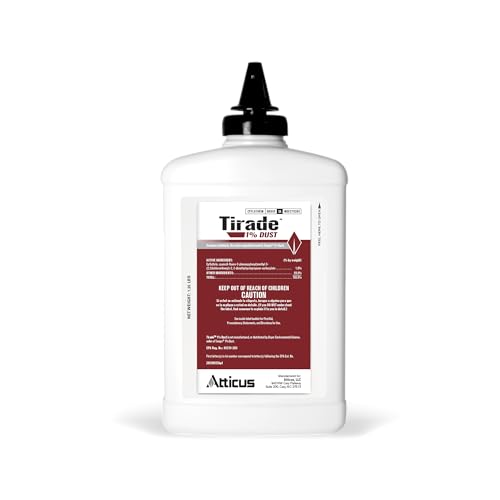
Atticus Tirade 1% Dust readily controls a broad spectrum of pests, including flying and crawling insects and wood‑infesting species. The ready-to-use formulation eliminates the need for measuring and mixing, and it can be applied in hard-to-reach areas where carpenter bees nest. The product’s residual effect helps maintain long‑term pest suppression after application.
BioAdvanced Termite And Carpenter Bee Killer Plus
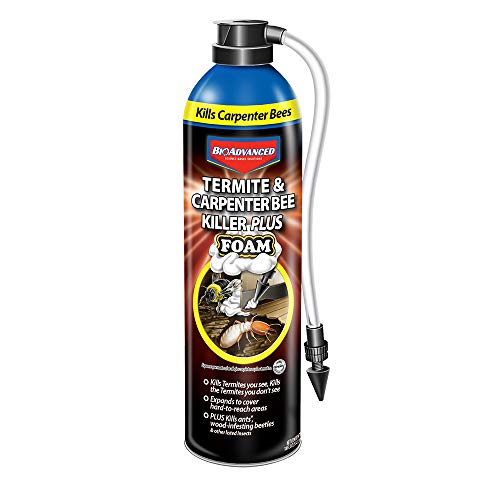
This foam formula expands on contact to fill cracks and crevices where carpenter bees and other wood‑infesting pests hide. It targets termites and a range of wood‑destroying insects, offering a practical solution for preventive and corrective treatments inside and around structures. The expansion helps reach nests that are otherwise difficult to access.
Delta Dust Multi Use Pest Control
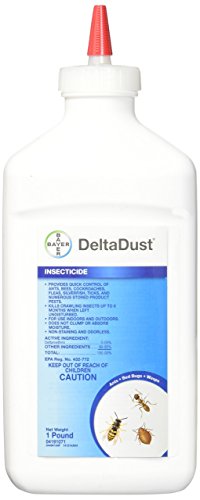
Delta Dust is a versatile, broad‑spectrum insecticide dust designed to treat wall voids, cracks, and other hard‑to‑reach areas. It covers pests including carpenter bees, carpenter ants, and other wood‑infesting insects. The dust format allows targeted application where pests hide, delivering lasting residual protection in concealed spaces.
Terminate Termite And Carpenter Ant Killer

Terminate combines termite and carpenter ant control with an indoor/outdoor approach, delivering protection for up to several months indoors. It targets termites and carpenter bees, helping prevent wood damage by reducing colonies and nesting sites around foundations and wood framing. The formulation is designed for spray application, enabling flexible coverage of problem areas.
Carpenter Bee & Ground‑Nesting Yellowjacket Killer

This foaming aerosol is formulated to kill carpenter bees on contact and expand into cavities where these insects reside. It is suitable for targeted nests in eaves, wall voids, and wood crevices, delivering rapid knockdown and reducing re‑infestation risks by filling inaccessible spaces.
Buying Guide: Key Purchase Considerations
- Target pest and scope: Choose products that explicitly address carpenter bees and other wood‑infesting species. Some formulations also cover a wider range of insects, which can be beneficial for households facing multiple pest pressures.
- Formulation and application: Dusts work well for voids and cracks, while foams fill crevices effectively. Sprays are useful for surface treatments and exterior infestations. Consider accessibility of nests and preferred application method.
- Residual activity: Look for products with lasting residual protection to reduce re‑infestation. Read the label for guidance on re‑application intervals and coverage areas.
- Indoor vs outdoor use: For indoor wood damage risk, prioritize products safe for indoor use with effective surface and cavity treatment. Outdoor treatments should endure weather exposure.
- Safety and handling: Adhere to label directions and protective equipment recommendations. Some products are safe for use around livestock and pets when applied according to instructions, while others require restricted areas during application.
- Crack and crevice access: For carpenter bees nesting in walls and eaves, foaming formulations may provide better reach, while dusts excel in wall voids and other concealed spaces.
- Combination strategies: A multi‑product approach can optimize control, using foams for nest filling, dusts for voids, and surface sprays for exterior control.
- Environmental considerations: Prefer products with lower environmental impact and minimal non‑target effects, especially near gardens and water sources. Always follow local regulations regarding pesticide use.
- Cost and coverage: Compare per‑pound or per‑ounce pricing and estimated coverage. Higher‑volume products may be more economical for larger structures, while targeted treatments suit smaller infestations.
- Label compliance: Always read and follow the product label for safety, application rates, restricted areas, and re‑entry times to protect family, pets, and yourself.
Note: This article provides product descriptions based on listed features and typical pest control considerations. Availability and labeling can change; always verify current usage instructions on the product label before applying any pesticide.