Discover top oat seed options for American gardeners seeking versatile, easy-to-grow crops. This guide highlights five reliable seeds ideal for cover crops, oat grass, and grain production, with notes on germination, soil health, and suitability for different climates. Each entry links to Amazon for quick reference and includes key features to compare at a glance.
| Product | Brand | Use | Notes |
|---|---|---|---|
| Oat Seeds for Planting – Milky Oats | SURVIVAL GARDEN SEEDS | Herbal crop, oat straw, cover crop | Medicinal Milky Oats; non-GMO |
| Organic Non-GMO Whole Oat Grain Seeds | Handy Pantry | Sprouting, oat grass, animal feed | Hull intact; high germination |
| Oat Seed (1 lb.) | Thunder Acres | Seed for grains and cover crop | USA-grown, organic options |
| Winter Oats Seed | Sow Right Seeds | Cover crop for soil health | Non-GMO, 8′ x 4′ coverage per packet |
| Common Oat Seeds | All Good Things Organic Seeds | Cover crop, grain, ornament | Certified organic, non-GMO |
Oat Seeds for Planting – Milky Oats

These heirloom Avena sativa seeds produce Milky Oats, valued for soothing, restorative qualities. Use for tea, tinctures, or oatstraw infusions to support calm and relaxation. They work well as a dual-purpose plant, both as an herbal crop and a soil-building cover crop. Easy to grow in cool weather; direct sow in early spring or late summer, with consistent moisture for steady germination and strong growth. Non-GMO and heritage-minded, this seed pack supports medicinal and agricultural use in a single harvest.
Organic Non-GMO Whole Oat Grain Seeds

Premium organic, hull-included oat seeds suitable for sprouting, oat grass, or animal feed. High germination supports rapid green growth, making them ideal for cat grass, poultry feed, or fresh oat greens. Versatile and practical for sprouters and homesteaders. Not intended for direct food consumption unless dehulled. This option emphasizes organic integrity and broad utility across kitchens and barns alike.
Thunder Acres Non GMO Oat Seed

Non-GMO, certified organic oat seeds grown and packaged in the USA. Suitable for planting as a grain crop or as a soil-improving cover crop. This option emphasizes domestic sourcing and organic certification, making it a solid choice for growers prioritizing local production and ecological farming practices.
PlotSpike Forage Oat Seed

Designed to cover 0.25 acre, this forage oat seed is best planted in a well-prepared bed at depths of 0.25 to 1.5 inches. It supports soil health with rapid establishment and weed suppression. The package provides a practical quantity for medium-size plots, and its forage potential makes it suitable for livestock feeding alongside soil benefits.
Eretz White Oat Seed
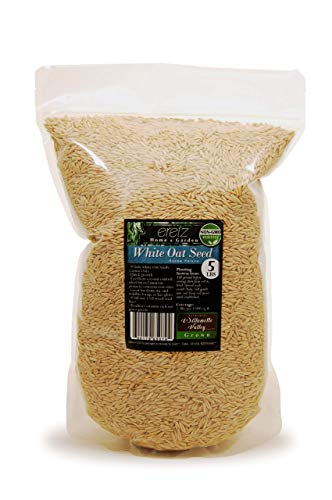
Oregon-grown, no-fillers or coatings, certified weed-free oat seeds. Suitable for human or animal nutrition, pasture, forage, straw, or hay applications. This option emphasizes purity and usability for diverse applications, including direct cultivation for feed or forage, and ornamental or lawn-like uses where clean seed is essential.
Sow Right Seeds Winter Oats
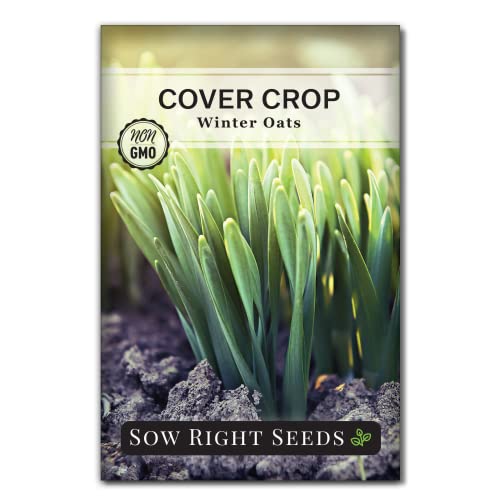
Winter oats are a robust cover crop option that tolerates cool weather, helping reduce soil erosion and suppress weeds. This package covers about an 8′ x 4′ garden bed, with a minimum seed count per packet designed to ensure reliable germination. Plant 1 inch deep, 3 inches apart in full sun. Oats mature in 55–65 days and can thrive in USDA zones 8b–10a, contributing to soil health and mulch in spring.
All Good Things Organic Common Oat Seeds

Common oats grown as an organic, open-pollinated seed. Suitable for cover crops, grain, or ornamental purposes. The packet includes at least 275 seeds, with organic certification and non-GMO status. This option provides a straightforward, versatile choice for gardeners seeking simple, reliable oat production with organic ethics and broad usability.
Buying Guide
- Purpose and use: Choose oats based on intended use—cover crop, ornamental, forage, or grain. Some varieties lean toward soil health and weed suppression, while others are optimized for sprouting or animal feed.
- GMO and certification: If avoiding GMOs is important, prioritize non-GMO and organic-certified seeds. Check for state seed certifications when available to ensure weed-free status.
- Germination and viability: Look for packets that note germination rates or include germination-tested assurances. Higher viability improves establishment in your climate.
- Growing season and climate: Winter oats tolerate cold more than some summer varieties. Match selection to your USDA zone and planned planting window (spring vs. fall).
- Seed treatment and coatings: Some seeds are dehusked or coated; others are raw. Coatings can affect germination and are relevant for sprouting or fresh consumption plans.
- Seed quantity and bed planning: Packets vary from small to large. Estimate bed size and intended density to avoid under- or over-seeding.
- Sourcing and provenance: Domestic-grown and organic-certified seeds support local agriculture and ecological farming practices.
- Legal and safety notes: If using for animal feed, verify suitability for your animals and follow local guidelines for feed quality.