Choosing the right lawn aerator can transform compacted soil into a thriving root zone, improving air flow, water absorption, and nutrient delivery. This guide highlights five top-rated aeration tools, spanning tow-behind, rolling, and manual options. Each product is evaluated on design, ease of use, and effectiveness to help American homeowners select the best fit for their lawn size and soil type. A quick summary table follows to compare core features at a glance.
| Product | Weight / Type | Key Benefit | Best For |
|---|---|---|---|
| Agri-Fab 45-0299 | Tow Behind (32 knives) | Deep plugs, universal hitch | Tractors or riding mowers |
| SENVERT Rolling Aerator | 32 lbs (55 lbs with weight) | Efficient rolling action | Small to medium lawns |
| K.D STONEDGE | Rolling core aerator | Loosened soil, deeper roots | Compacted soils |
| LawnVigor Manual Core | 3 hollow tines | Replaceable tines, durable | Budget-friendly, DIY |
| Seeutek 23 Inch | 2-inch spikes, adjustable height | Weight management, depth | All-around manual aeration |
Agri-Fab 45-0299 48″ Tow Behind Lawn Plug Aerator
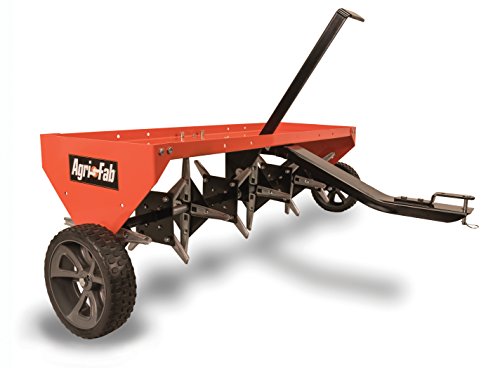
Designed to pull behind lawn and garden tractors, the Agri-Fab 45-0299 uses 32 galvanized knives to penetrate soil and create deeper plugs. This model pulls plugs up to about 3 inches deep, supporting thicker, healthier turf by improving aeration and root access. The universal hitch adds compatibility with most tractor setups, enabling steady operation across varied lawn layouts. Construction emphasizes durability for frequent use on medium to large properties, with a focus on consistent plug removal and robust soil penetration.
Performance considerations include pull efficiency, soil variance, and operator comfort. Heavier soils may require additional ballast or slower passes to ensure uniform plug depth. As a tow-behind unit, it shines for homeowners with riding mowers or compact tractors, delivering broad coverage and less manual effort per square foot. Regular maintenance of knives and hitch connections helps sustain mare depth and functionality over multiple seasons.
SENVERT Rolling Lawn Aerator

The SENVERT rolling aerator is a heavy-duty, manual option designed for efficient lawn aeration. It weighs about 32 pounds, with an optional sand-fill option to reach a total of 55 pounds for deeper soil penetration. The drum’s spiral-spiked tread pattern promotes smooth rolling and straightforward control, helping users maintain consistent depth and spacing across small to medium-sized lawns. This design emphasizes a balance between ease of use and effective core aeration, reducing fatigue during extended sessions.
Key considerations include soil type and terrain. The rolling action makes it well-suited for compacted but manageable plots where you can easily maneuver the device. Heavier soils may benefit from added weight, while lighter soils may not require full ballast. For gardeners prioritizing efficiency and a non-attachable solution, SENVERT offers a practical, budget-conscious option without power tools.
K.D STONEDGE Patented Rolling Lawn Core Aerator
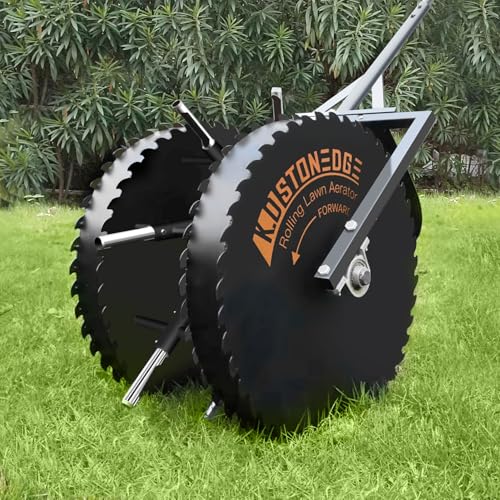
Stonedge’s rolling core aerator emphasizes soil health through punch-style core removal and a rolling design that makes maneuvering across lawns easier. The device extracts soil plugs to enhance air, water, and nutrient absorption, promoting stronger root systems and improved turf vigor. Its rolling approach reduces the need for heavy lifting and enables controlled passes over patches with persistent compaction.
Pros include straightforward operation and effective deep penetration. Users with sandy or looser soils may experience rapid plug removal with less resistance, whereas heavier clay soils may demand multiple passes or supplemental ballast. The core aeration method ensures higher soil porosity and improved drainage, especially useful in regions with dense clay soils or drought-prone seasons.
LawnVigor Manual Core Aerator
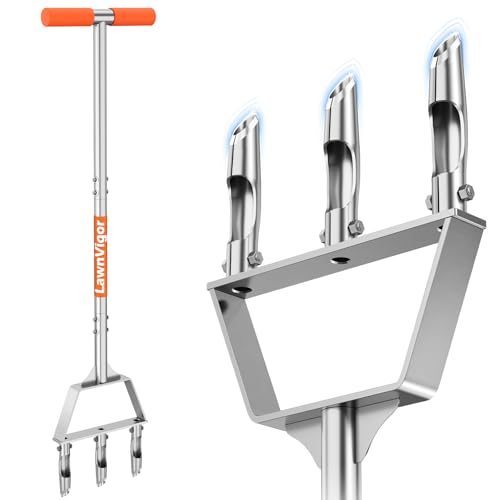
This manual core aerator by LawnVigor uses three hollow tines and a robust construction designed for long-term durability. It promotes healthier turf by removing soil plugs and enabling deeper penetration of air, water, and nutrients. The three-tine configuration helps deliver deeper holes in a single pass, and the hollow tines prevent clogging during operation, supporting consistent plug extraction across various soil types.
Considerations include maintenance of hollow tines and the effort required for manual operation. This tool is well-suited for homeowners with smaller to mid-sized lawns and those who prefer a cost-effective solution without power equipment. Proper soil moisture and technique are important to maximize plug depth and subsequent turf recovery.
Seeutek 23 Inch Rolling Lawn Aerator
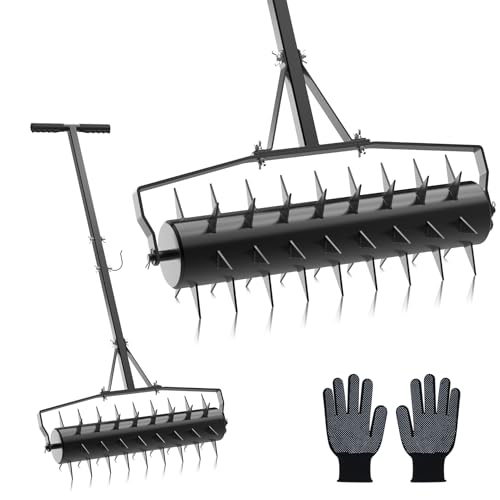
The Seeutek 23-inch rolling aerator emphasizes heavy-duty design with upgraded features. It uses 2-inch star-shaped spikes and a laser-welded construction for strength and longevity. An additional side hole allows you to add water or sand to increase weight, deepening spike penetration for tougher soil. Height-adjustable handles provide ergonomic control and reduce back strain during extended aeration sessions.
Best used on lawns needing more aggressive aeration without power tools, Seeutek balances user effort with effective soil penetration. The design prioritizes depth control and stability, making it a strong option for homeowners dealing with moderate to severe soil compaction in medium to large lawns.
hugeneroy Manual Push Core Aerator

The hugeneroy manual push aerator emphasizes a robust, professional-grade hollow-tine design. It features three replaceable hollow tines for consistent soil plug removal, improving soil airflow and nutrient access. The tool’s solid steel construction and reinforced tine geometry aim to maintain performance under heavy use across various soil types, including compacted areas with tougher clays.
Users should water dry soil before aerating and follow vertical insertion guidance to avoid bending tines. This model targets serious gardeners seeking a durable, long-term core aeration solution without relying on motorized equipment. The replaceable tines support ongoing maintenance, reducing long-term replacement costs.
Buying Guide
Key purchase considerations help ensure the right aerator choice for your lawn’s size, soil type, and maintenance preferences.
- Lawn size and equipment compatibility: Tow-behind models work well for larger lawns and those with compatible tractors; rolling and manual aerators suit smaller to medium plots or thin soils.
- Soil type and compaction: Clay soils and heavily compacted lawns often require deeper penetration and heavier aerators, potentially with ballast to reach the desired depth.
- Tine design: Hollow tines remove soil plugs and improve drainage; solid spikes compact soil but can still create beneficial channels for air and water when used properly.
- Ease of use and maintenance: Manual models demand physical effort; consider replaceable tines, rust resistance, and ease of cleaning when selecting.
- Weight and maneuverability: Heavier units can achieve deeper aeration but may require more control and effort; rolling designs aim for smoother passes with less fatigue.
- Durability and warranty: Durable steel construction and replaceable parts extend tool life, especially for frequent seasonal use in varying climates.
- Environmental and soil goals: For optimal turf health, pair aeration with proper watering, fertilization, and thatch management to maximize root growth and resilience.
In summary, the best aerator depends on lawn size, soil conditions, and user preference for manual versus powered operation. For large properties with suitable equipment, tow-behind models like the Agri-Fab offer broad coverage and deep plugs. Rolling and manual options, such as SENVERT, K.D STONEDGE, Seeutek, Landzie, and hugeneroy, provide versatile, budget-conscious choices for smaller lawns or those seeking greater control over depth and weight. By aligning product features with your garden’s needs, you can achieve healthier grass through efficient, effective aeration.