Choosing bulk microgreen seeds can simplify indoor gardening, save money, and ensure a steady supply of nutrient-dense greens. The selected products below cover a range of flavors, colors, and growth speeds to fit small kitchens, hydroponic setups, and traditional trays. Each option emphasizes high germination and non-GMO seeds, with clear growing guidance for beginners and seasoned urban farmers alike.
Summary Of Selected Bulk Microgreen Seeds
| Product | Brand | Type | Key Benefit |
|---|---|---|---|
| Bulk Salad Mix Microgreens Seeds | Mountain Valley Seed Company | Non-GMO 5 lb mix | High-yield, adaptable for indoor trays and hydroponics |
| Sow Right Seeds Microgreens Sample Pack | Sow Right Seeds | 10 packet sampler | Broad flavor range; quick harvest; easy kitchen counter sprouting |
| Rainbow Heirloom Superfood Mix | Rainbow Heirloom Seed Co. | 1 lb mix | Colorful, nutrient-dense blend; non-GMO; USA grown |
| Microgreen Seeds Variety Pack | SURVIVAL GARDEN SEEDS | 10 heirloom types | Broad flavor and texture variety; ideal for weekly rotations |
| Seedboy Organic Non-GMO Sprouting Seeds | Seedboy | 8 oz bag | All-purpose salad blend; easy jar sprouting; premium USA-grown |
Microgreen Seeds Variety Pack – 10 Heirloom Types

The 10-heirloom mix from SURVIVAL GARDEN SEEDS offers broccoli, pea, sunflower, radish, kale, arugula, beet, cabbage, buckwheat, and alfalfa. This selection emphasizes nutrient-dense greens and a broad flavor spectrum, suitable for topping salads, smoothies, and sandwiches. The seeds are described as non-GMO with high germination potential and are designed for easy indoor growth using simple trays, light, and water. This option is especially valuable for urban gardeners who want a diverse microgreen harvest without multiple suppliers.
Superfood Microgreen Seeds Mix
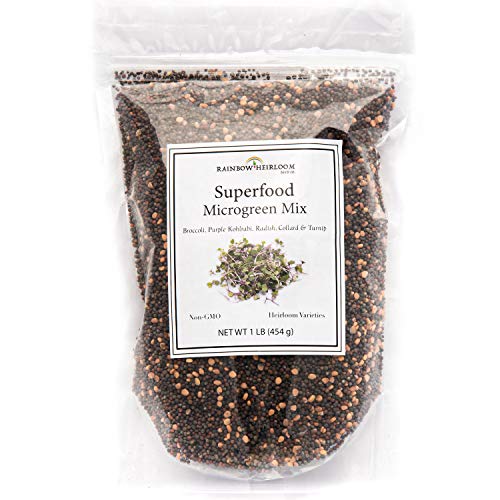
This Rainbow Heirloom Seed Co. mix features a colorful array including broccoli, purple-kohlrabi, radish, collard, and turnip seeds. Packaged as a 1-pound bulk resealable bag, the mix emphasizes high germination and US-based production. The combination aims to deliver a visually appealing, nutritionally powerful microgreen salad with broad appeal for both beginners and seasoned growers looking for reliable yields from a single purchase.
12 Variety Pack Microgreens Seeds Kit

While not a single-brand bundle, this sampler from Mountain Valley Seed Company gathers 12 varieties including broccoli, radish, cucumber-like mixes, and herbs. The assortment is ideal for cooks who want to experiment with distinct textures and flavors. Seeds come from reputable sources and are suited for beginner-friendly sprouting in trays or jars with minimal equipment. This kit supports variety-driven growth cycles and expands culinary possibilities for microgreen enthusiasts.
Seedboy Organic Non-GMO Sprouting Seeds

Seedboy’s Organic Salad Blend packs alfalfa, broccoli, radish, mung bean, and lentil into an 8-ounce bag designed for quick sprouting and microgreen growth. The seeds are USDA certified organic by OTCO and produced in the USA, with a focus on safety and purity. This blend supports both jar sprouting and tray cultivation, offering a compact, rapid route to nutritious greens for smoothies, sandwiches, and salads. The emphasis on organic quality and high germination makes it a practical option for health-conscious households.
Sow Right Seeds Microgreens Seed Sample Pack

From Sow Right Seeds, this sample pack includes 10 premium packets designed for indoor growth on counters or in shallow trays. Varieties include arugula, broccoli, cress, sunflower, kale, radish, pea, and more. The package emphasizes quick harvest timelines (often under two weeks) and the flexibility to grow with minimal soil or fiber mats. It’s a versatile option for beginners who want a broad tasting palette and reliable, rapid microgreen production.
Buying Guide: Key Considerations For Bulk Microgreen Seeds
- Germination rates and seed purity: Look for seeds labeled non-GMO and produced by reputable brands with clear germination data. Higher germination rates reduce waste and improve tray yields.
- Seed variety and flavor profile: Choose mixes and kits that align with your culinary goals. For color and texture, diversify with greens like broccoli, radish, kale, and sunflower.
- Growing environment compatibility: Consider whether the seeds are suited for compact trays, soil-based setups, or hydroponic systems. Some mixes are explicit about space efficiency for kitchen counters or windowsills.
- Kits vs. bulk: Bulk bags provide long-term cost savings but require storage and organization. Sampler kits are ideal for experimentation and learning growing rhythms.
- Organic vs. conventional: If organic certification is important, prioritize seeds labeled USDA Organic or OTCO-certified as in Seedboy products. This often reflects stricter growing practices.
- Regional availability and sourcing: Domestic production can support fresher seed lots and consistent germination; check origin notes where available.
- Storage and longevity: Store seeds in a cool, dry place in sealed containers to maintain germination. Label batches with planting dates to optimize harvest timing.
- Harvest timing and usage: Microgreens typically mature within 7–14 days for many varieties. Short cycles enable frequent harvests and continuous supply.
- Packaging and convenience: Bulk blends with resealable bags reduce waste, while sampler packs offer portability for testing multiple varieties.
- Safety and testing standards: Read bottle labels for allergen information and any required certifications. Reputable brands often provide batch testing details.
Overall, selecting bulk microgreen seeds involves balancing cost, variety, and practicality. For urban growers with limited space, starting with a high-yield mix and a few staple varieties can build a steady, nutritious harvest routine. Compare germination data, read customer feedback on tray performance, and consider future expansion plans when choosing between single-variety bags, bulk blends, or curated sampler packs.