The yard in deep shade can still become a lush, low-maintenance lawn with the right fine fescue blend. This guide highlights five shade-tolerant options designed to thrive where light is limited. Each selection emphasizes fine texture, dense establishment, and adaptability across climates. Below, you’ll find a concise snapshot of the best fine fescue seeds for shaded lawns.
Summary table of selected products:
| Product | Brand | Approx. Size | Key Benefit |
|---|---|---|---|
| Legacy Fine Fescue Grass Seed Mix | Outsidepride | 5 lbs | Dense shade tolerance, OptiGrowth coating |
| Black Beauty Dense Shade Grass Seed | Jonathan Green | 7 lb | Dark green color, fast germination |
| Legacy Fine Fescue Grass Seed Mix | Outsidepride | 10 lbs | Higher volume, similar coating for establishment |
| Creeping Red Fine Fescue Seed | Eretz | 5 lb | Excellent shade performance, disease resistance |
| Mow Less Fine Fescue Seed Kit | Flawn Seed Kits | 2 lbs | Low maintenance, shade tolerant |
Legacy Fine Fescue Mix From Outsidepride (5 Lb)

This Elite mix combines 20% Hard Fescue, 40% Chewings Fescue, and 40% Creeping Red Fescue to suit northern and southern lawns. It excels in shaded areas and adapts to sun angles from full sun to deep shade. A dense, carpet-like texture helps reduce weed establishment in low-light zones.
Germination and establishment are supported by OptiGrowth Coating, promoting better seed-to-soil contact and faster germination. The coating also infuses essential nutrients such as zinc, phosphorus, and nitrogen, along with Elko kelp, enhancing vigor in challenging soils, including sandier substrates.
Legacy Fine Fescue Mix (10 Lb)
A larger bag of the same shade-tolerant blend, designed for bigger lawns or multiple shaded zones. The mix maintains the same 20/40/40 composition and OptiGrowth coating, ensuring uniform germination and rapid cover in areas with limited sunlight. It adapts well to varying climates and soil types, supporting robust turf in shade-dominated landscapes.
The OptiGrowth coating continues to deliver seed vigor, while the nutrient punch supports resilient growth under low-light conditions. This option is ideal for homeowners seeking more seed per dollar for broader shaded areas without compromising texture or color.
Creeping Red Fine Fescue Seed By Eretz (5 Lb)
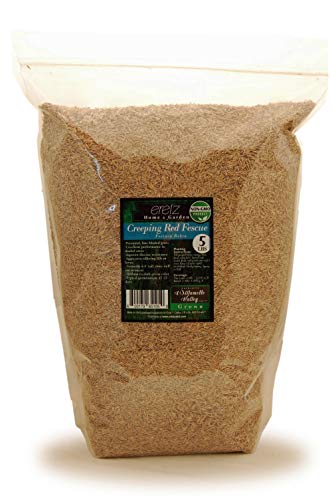
This perennial, fine-bladed grass performs strongly in shaded areas and resists disease well. It grows naturally tall (6-8 inches) and can be mowed to maintain a dense, tidy lawn. Aggressive tillering helps fill in bare spots, delivering a uniform, refined texture ideal for shade-dominated lawns.
Germination rates align with typical cool-season fescues, and the seed’s fine texture contributes to a plush, carpet-like lawn appearance. This option is well-suited for homeowners prioritizing shade tolerance, disease resistance, and a fine blade profile.
Mow Less Fine Fescue Seed Kit

Premium mix featuring Creeping Red Fescue, Chewings Fescue, and Hard Fescue. Notably, this kit is designed to minimize mowing and watering requirements once established, making it attractive for shade-prone lawns where maintenance can be more challenging. The lack of fillers ensures a purer seed blend and reliable establishment in low-light zones.
Shade tolerance is enhanced by the fine fescue components, offering a lush yet understated texture suitable for quiet, shaded yards. This kit provides a straightforward, low-maintenance pathway to a durable, fine-textured lawn in limited sun.
Black Beauty Dense Shade Seed By Jonathan Green (7 Lb)

This shade-tolerant mix is designed for lawns beneath large trees and near permanent structures where sunlight is minimal. It aims to produce a dense, dark-green lawn with appealing color depth. Germination typically occurs within 14–21 days, and the blend includes beneficial endophytes to support turf resilience and vigor in challenging shade.
Buying Guide: Key Purchase Considerations
- Shade tolerance: Look for blends specifically marketed for shade or dense shade. Fine fescues (chewings, creeping red, hard fescue) typically perform best in low-light conditions.
- Climate compatibility: Northern and southern climates influence germination and establishment. Fly toward blends described as adaptable to a range of climates, or choose a mix that suits your region’s shade patterns.
- Coatings and coatings benefits: OptiGrowth or similar seed coatings can improve germination and nutrient delivery in tough soils. Coatings are especially beneficial in patches with poor soil quality.
- Nutrient content: A coating with added nutrients can boost early establishment, but ensure it aligns with your lawn care plan and fertilizer schedule.
- Seed texture: Fine fescues produce a refined, dense turf that minimizes visibility of footprints and weeds. Check texture descriptions to match your preference for blade width and lawn appearance.
- Maintenance expectations: Some blends promote lower mowing and watering needs. If you prefer a low-maintenance lawn, select a kit or mix explicitly marketed as such.
- Package size: For larger shaded areas, larger bags or multiple bags may be required. Calculate square footage to determine how many bags you need.
- Establishment timeline: Most cool-season fescues germinate within 14–21 days under optimal conditions. Consider regional temperatures and rainfall when planning sowing timing.
Additional Considerations And Comparisons
- Fine fescue vs Tall Fescue: Fine fescues are generally more shade-tolerant and produce finer textures, while tall fescues offer durability in sun or drought but may not blend as seamlessly under heavy shade.
- Coated vs uncoated seeds: Coatings can improve germination and nutrient delivery but may come at a higher price. Assess whether coating benefits match your soil quality and climate.
- Seed diversity: Some blends mix multiple fescue varieties to maximize shade tolerance across different microclimates in your yard. This diversification can improve overall lawn resilience.
- Watering needs: Shade reduces evaporation, but new seed still requires consistent moisture. Plan for regular watering during establishment to avoid drought stress.
- Weed suppression: A dense, fine-textured stand helps suppress weeds in shade; ensure adequate seed density and proper mowing height to maintain turf competitiveness.