Choosing the right worms and supporting gear is essential for efficient vermicomposting at home. This guide highlights five top picks—ranging from red wigglers to European nightcrawlers and popular worm-bin systems—that work in diverse setups. Each option is evaluated for its suitability in standard home bins, ease of use, and contribution to rich worm castings and soil health. Read on to compare offerings, features, and practical considerations for sustainable kitchen waste recycling and garden boosts.
| Product | Brand | Worm Type / Bin Type | Key Benefit |
|---|---|---|---|
| Uncle Jim’s Worm Farm 100 Count Red Wiggler | Uncle Jim’s Worm Farm | Red Wiggler Worms | Fast and diverse composting across soil layers for richer castings |
| The Original Vermihut Plus 5 | VermiHut | Worm Bin System | Air-flow enhancements and modular trays for scalable vermicomposting |
| Uncle Jim’s Worm Farm 100 Count Super Red European Nightcrawlers | Uncle Jim’s Worm Farm | European Nightcrawlers | Larger worms with strong soil aeration and root access benefits |
| Hungry Bin Worm Farm Composting Bin | Hungry Bin | Continuous flow worm bin | Odor-free, high-capacity setup ideal for kitchen scraps |
| Urban Worm Bag Worm Composting Bin Version 2 | Urban Worm | Worm Bag | Top feed, bottom harvest with simple moisture control |
Uncle Jim’s Red Wiggler Starter Pack

Red Wiggler worms are a common starter choice for home vermicomposting. The Uncl e Jim’s starter pack features a supply of red wigglers harvested from mature worm beds, designed to work across multiple layers of compost. This breadth of activity helps convert kitchen scraps into nutrient-rich worm castings quickly, supporting soil structure and plant health. The product emphasizes diversity in species within the worm population, which can contribute to faster processing of varied waste streams. Content notes indicate the castings produced are rich in nutrients, with higher levels of phosphates, nitrogen, and potash compared to average soil. This can lead to improved soil fertility and healthier plant growth over time. For users starting small bins or upgrading current setups, these worms offer a robust foundation for ongoing composting cycles.
VermiHut Plus 5 – Crew Of Five Trays

The VermiHut Plus 5 is a modular worm compost bin designed for both indoor and outdoor use. As the original developer, VermiHut emphasizes airflow and moisture management via an M-board to increase aeration and overall efficiency. The design integrates an advanced V-board with a coconut-fiber component to assist odor control and humidity balance at the top vented lid. This setup helps maintain optimal conditions for worm activity, supporting steady production of nutrient-rich worm castings. The product’s stacking capability, combined with additional trays, allows incremental expansion as waste input grows, making it suitable for beginners who anticipate increasing kitchen waste or for small households seeking scalable vermicomposting. A claimed feature is improved air-flow to reduce odor and enhance worm survival during processing.
Uncle Jim’s Super Red European Nightcrawlers Starter Pack

Super Red European Nightcrawlers provide a larger, more robust option for soil aeration and nutrient transport through garden beds. Harvested from established beds, these worms are recognized for their ability to process food scraps efficiently and improve soil structure. The listed features emphasize the diversity of worm populations and the nutrient-rich castings produced, which can translate into enhanced soil fertility and better water movement in root zones. For gardeners seeking more dramatic patch improvements or larger bin setups, these worms offer a strong option with durable performance across multiple composting cycles.
Hungry Bin Worm Farm Composting Bin

The Hungry Bin offers a continuous-flow vermicomposting design with a focus on ease of use and odor control. Its top-loading feature allows adding fresh scraps while finished castings are harvested from the bottom, minimizing handling and reducing the chance of disturbing worm habitats. The unit is space-efficient and capable of processing several pounds of waste per day, making it suitable for households, schools, and small farms. Additionally, the resulting worm tea and castings are valuable soil amendments. The design emphasizes a neat, low-maintenance experience, with a goal of keeping worms healthy and productive over extended periods.
Urban Worm Bag Version 2
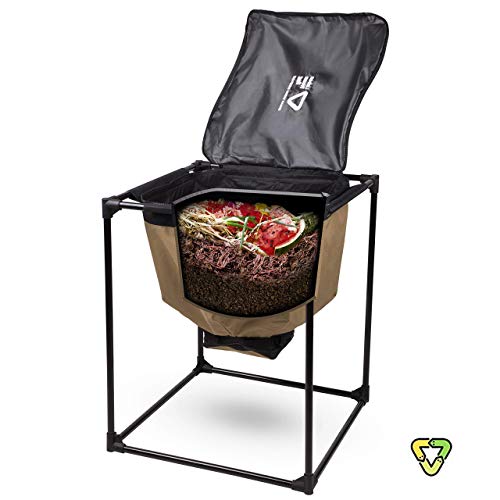
Urban Worm Bag Version 2 provides a simple, portable approach to vermicomposting. The design focuses on ease of use: feed through the top and harvest castings from the bottom, without needing to separate worms from trays. The durable 900D Oxford fabric supports outdoor or indoor use, and the open or closed moisture control feature helps maintain steady conditions for worm activity. This option is well-suited for apartment dwellers or those with limited space who still want a manageable worm-bin solution. The no-bottom-zipper design adds reliability and reduces potential mechanical failures in the field.
Buying Guide: Key Considerations For Choosing Worms And Bins
- Worm type and compatibility: Red wigglers (Eisenia fetida) are popular for kitchen waste and standard bins, while European nightcrawlers (Eisenia hortensis) can process larger volumes and aerate soil more deeply. Consider your waste volume, bin size, and climate when choosing worms.
- Bin design and scalability: Start with a simple system if you’re new to vermicomposting. Look for modular trays, airflow features, moisture control, and bottom-harvest mechanisms that suit your space and maintenance preferences.
- Odor and maintenance: Effective odor control is essential for indoor setups. Features like vented lids, coconut-fiber components, and odor-reducing boards help maintain pleasant environments while worms stay productive.
- Space and portability: For apartments or small yards, compact bins or bag systems offer flexibility. If space allows, larger bins and continuous-flow designs can handle higher waste loads with less frequent harvesting.
- Durability and materials: Durable plastics, reinforced fabric, and sturdy frames extend bin life and withstand frequent handling. Check for ease of cleaning and replacement parts when evaluating options.
- Nutrient output: Rich worm castings and worm tea improve soil health, plant growth, and moisture retention. Consider worms with robust castings and their ability to process various kitchen scraps efficiently.
- Maintenance schedule: Some systems require regular feeding cadence and moisture adjustments. Choose a setup whose maintenance aligns with your lifestyle to ensure consistent worm health and waste processing.
- Climate suitability: Outdoor bins must tolerate local temperatures; indoor bins may require odor control and ventilation. Match worm type and bin design to your climate and living situation.
Across these options, the common goal is effective conversion of kitchen waste into beneficial soil amendments. By selecting worms that suit your bin design, you can achieve steady production of nutrient-rich castings and a healthier garden or potted-plant environment. The five picks above illustrate a spectrum—from starter worm packs to modular bins and continuous-flow systems—allowing buyers to weigh scalability, ease of use, and soil-health outcomes when planning a vermicomposting setup.