Landscaping edging helps keep mulch, gravel, and soil in their places while defining clean lines between lawns, flower beds, and pathways. Rubber edging offers durability, flexibility, and easy installation for a range of garden styles. In this guide, we compare five top rubber and flexible edging options, highlighting ease of use, installation hardware, weather resistance, and shaping flexibility to help American homeowners choose the right edging for their outdoor spaces.
| Product | Why It Stands Out | Best For |
|---|---|---|
| EcoBorder 4 ft. Pack | Includes installation hardware; sturdy and flexible; no-dig installation | Quick, low-effort borders |
| GROWNEER 66 ft Kit | All-in-one kit with spikes and hammer; easy to bend and connect | DIYers building larger borders |
| Rubberific Angled Edging 4 ft | Recycled rubber with faux stone look; easy no-dig setup | Stone-like finish without heavy labor |
| MIXC 33 ft Border | Durable plastic rubber blend; tool-free, flexible, and trim-friendly | Curved beds and long runs |
| VEVOR Recycled Rubber Mat | Weed control and breathable design; durable, weather-resistant | Low-maintenance weed suppression |
EcoBorder 4 ft. Easy to Install No Digging Edging
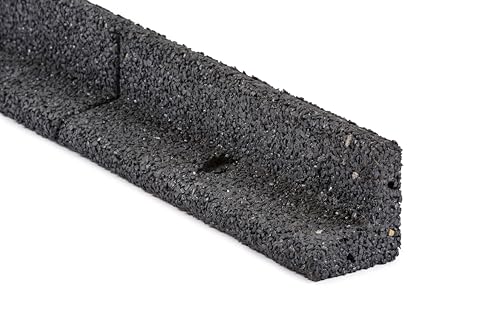
EcoBorder’s 4 ft edging comes in a six-pack and includes installation hardware. The edging is designed to bend around curves and irregular borders, offering both flexibility and strength. The no-dig installation minimizes disruption to existing landscaping, a key advantage for homeowners seeking quick results. The combination of sturdiness and ease of rearrangement makes this option suitable for seasonal updates to beds, paths, and borders. The included hardware reduces the need for extra tools, simplifying setup for DIY projects.
Key features include a durable, flexible profile that maintains a clean edge, compatibility with various soil types, and a gray color that blends with modern landscapes. Because it’s designed for simple installation, it’s a practical choice for those who want a neat boundary without heavy labor. The hardware is sufficient for standard alignment, and the material resists weather effects, helping maintain an attractive edge across seasons.
GROWNEER 66FT Landscape Edging Kit

The GROWNEER kit delivers a comprehensive solution: 66 feet of 4-inch-tall edging, 60 galvanized steel spikes, and a 6.3-inch hammer. This “all-in-one” approach eliminates the need to source separate tools or components, enabling quick setup for large borders, flower beds, and pathways. The edging is flexible enough to follow curves and can be shaped to fit complex layouts, making it well-suited for designers and DIY enthusiasts working on sizable landscapes.
Installation is straightforward—bend the edging to the intended route and secure with the included spikes. The galvanized spikes resist rust and ensure a sturdy edge, even in wet climates. The material is designed to hold its shape and edge integrity during weather changes, reducing maintenance needs. The kit’s expandability also allows connecting multiple units for larger or more intricate sites.
STIRLINGEAR 20ft Galvanized Steel Edging (Black)
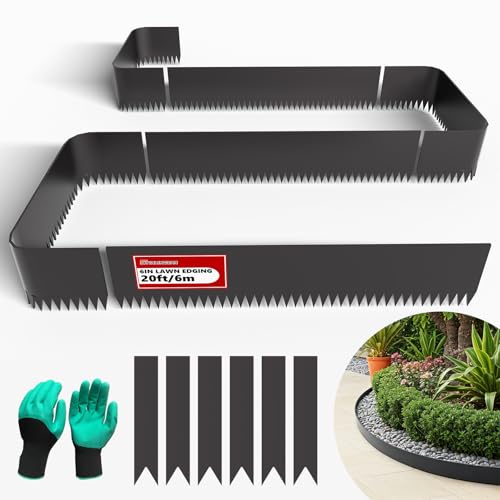
STIRLINGEAR offers a steel edging solution with black, rust-resistant galvanization. While the product emphasizes steel rather than rubber, its seamless connection design creates uniform lines suitable for crisp borders around lawns and hardscape edges. The kit is straightforward to install using a rubber mallet to join sections, enabling quick layout and durable borders without specialized tools. The robust steel construction provides long-term stability in high-traffic areas and can be a strong complement to rubber borders in mixed material landscapes.
Key advantages include durability in diverse weather, a clean, professional look, and minimal maintenance needs. The seamless connection reduces gaps that can compromise edge integrity, while the simple installation process makes it accessible for DIYers. It’s best used where a strong, defined border is desired, or where steel’s visual contrast adds a design element to the landscape.
MIXC Garden Edging Border, 33FT

The MIXC edging border kit provides 33 feet of 2-inch-tall black edging with 50 stakes. It’s designed for a simple, tool-free installation and is suitable for edging flower beds, tree rings, stone paths, and lawn borders. The plastic-rubber blend balances flexibility with strength, allowing it to bend into curves and shapes without cracking. The included stakes ensure secure anchoring, reducing mid-season shift or warping in soft ground.
Users can uncoil the border, apply it along the desired contours, and hammer in the stakes. The edging is easy to trim to length, which is useful for precise layouts. It holds well in varied weather and remains visually unobtrusive, making it a versatile option for monthly garden updates and small-to-medium landscape projects.
VEVOR Recycled Rubber Mulch Mat Edging

VEVOR’s rubber mulch mat provides a practical edging solution that emphasizes weed control and maintenance reduction. The roll design helps block sunlight to suppress weed growth, creating clearer separations between beds and lawns. The breathable, water-permeable construction allows moisture and air to reach plant roots, reducing soil compaction and promoting healthy growth. It’s suitable for pathways, garden borders, and planting beds where weed suppression is a priority without compromising drainage.
The product focuses on durability and weather resistance, maintaining its edge over time. It’s a good choice for users seeking a low-maintenance boundary that also helps manage mud in wetter areas. The material is designed to endure exposure to sunlight and periodic foot traffic while retaining its definition and performance.
Buying Guide: Key Purchase Considerations
When choosing rubber or flexible edging, consider how you plan to use the border, climate, soil type, and whether you prefer a no-dig installation. Flexible edging works well for curves and irregular beds, while rigid edging (including steel options) creates a crisp line for formal borders. Look for weather resistance, UV stability, and the availability of installation hardware or spikes. If you have a large project, an all-in-one kit with spikes and a hammer can save time and tools.
Edge height and thickness influence visibility and durability. Taller borders (3–5 inches) deter grass intrusion and create a more pronounced boundary, while lower profiles are subtler and better for narrow borders. Material composition matters: recycled rubber tends to be durable and weather-resistant, while PE or plastic blends offer ease of cutting and shaping. Consider whether you value an aesthetic finish (stone-like tones or black blends) versus a utilitarian look.
Installation methods vary: no-dig systems minimize soil disruption but may require stakes or anchors for stability, especially in loose soil. If you’re working with soft ground, pre-soaked or moistened soil can ease stake insertion. For DIY projects, kits with labeling and simple tools reduce the learning curve. Finally, factor in maintenance: some edges resist rust and corrosion, while metal alternatives may require occasional checks for loose fittings or posts.
Below are practical considerations to help compare options quickly:
– Flexibility: Do you need curves, circles, or straight lines? Flexible edging handles curves well; rigid options keep lines exact.
– Installation effort: No-dig setups save time but may require extra stakes or mallets; traditional edging may need trenching.
– Aesthetic: Do you want a stone-like, natural, or a classic black look? Color and texture influence overall landscape cohesion.
– Durability: Will edging endure snow, rain, UV exposure, and lawn maintenance? Look for UV-stabilized and weather-resistant materials.
– Maintenance: Are you prioritizing low maintenance and weed suppression, or simpler edge installation with easy trimming?
In summary, rubber and flexible edging offer practical boundaries for a wide range of landscapes. The EcoBorder, GROWNEER, Rubberific, MIXC, and VEVOR options each fit different project sizes and aesthetic goals. Assess your area’s size, ground conditions, and design intentions to select the best balance of ease, durability, and appearance for your American yard.