Finding organic bug sprays that protect plants without harming you, pets, or the environment is essential for home gardens and houseplants. The following picks emphasize OMRI-listed options, plant-friendly formulas, and practical application tips to help you manage pests like aphids, spider mites, whiteflies, and more. This guide compares five top products, highlighting how they work, where to use them, and what to expect in real-world conditions.
| Product | Brand | Use | Notes |
|---|---|---|---|
| BioAdvanced Organics Brand Insect Killer for Houseplants | BioAdvanced | Houseplants | OMRI-listed; quick knockdown |
| Bonide Insecticidal Soap | Bonide | Outdoor/Indoor Gardens | Contact and ingestion action; broad spectrum |
| Mighty Mint Peppermint Plant Protection Spray | Mighty Mint | Indoor/Outdoor Plants | Plant-based, safe with directed use |
| Big Leaf Energy Neem Oil Spray | BLESS YOUR SOIL | Indoor/Outdoor Plants | Neem oil with essential oil blend |
| Earth’s Ally Insect Control | Earth’s Ally | Indoor/Outdoor Plants | Herbal oils; safe up to harvest |
Each product on this list is designed to minimize ecological impact while delivering effective pest control. The selection focuses on different pest targets, plant environments, and user needs—from quick contact knockdowns to preventive protection and aroma-friendly options for indoor settings. Read on to see how these organic sprays perform in practical scenarios and which might fit best with your gardening style and plant collection.
BioAdvanced Organics Brand Insect Killer For Houseplants

This ready-to-use spray targets common houseplant pests with a fast-acting formula designed for indoor use. The label notes OMRI-listing, fitting for organic gardening practices. It provides quick control of insects such as aphids, mealybugs, scale, whiteflies, and spider mites, helping reduce damage without heavy chemical residues. For best results, apply when pests are light to moderate, ensuring thorough coverage of the undersides of leaves. Consider a supplemental program if pests recur, especially on dense foliage or new growth.
Bonide Insecticidal Soap
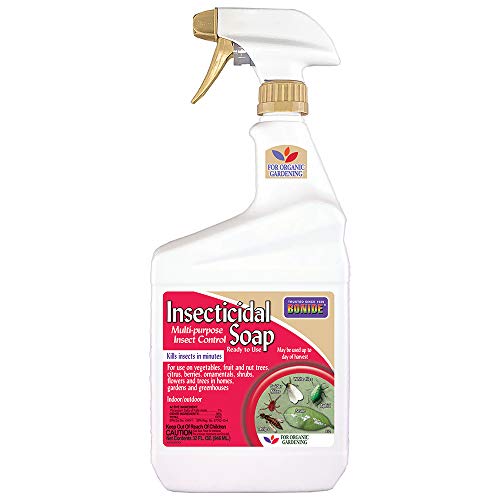
Bonide’s Insecticidal Soap delivers a versatile solution for both outdoor gardens and indoor plants. It works by direct contact and ingestion, suffocating insect pests such as aphids, whiteflies, mites, thrips, and more. The product is designed for outdoor residential use in a range of settings—from vegetable beds to ornamentals—yet is also suitable for treating houseplants. Because the spray relies on soap-based chemistry, it’s important to apply evenly to the undersides of leaves and avoid broad daytime sunlight to prevent leaf burn. Repeat applications may be necessary for ongoing infestations.
Mighty Mint Peppermint Plant Protection Spray

This plant protection spray emphasizes safety for people and pets when used as directed. The product relies on plant-based ingredients and peppermint-derived compounds to deter pests such as gnats, aphids, and other common offenders. Its easy application makes it suitable for routine maintenance of indoor greenery and small outdoor containers. In shared living spaces, the refreshing aroma can be a plus, though you should still follow label directions for dilution, frequency, and any restrictions around sensitive plants.
Big Leaf Energy Neem Oil Spray
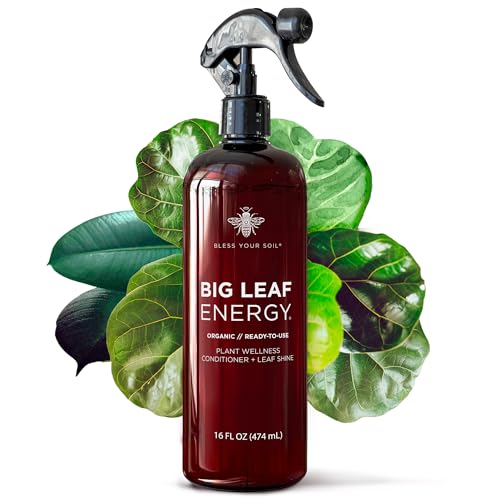
Big Leaf Energy combines neem oil with an essential oil wellness blend to deliver a multi-benefit spray. The product is designed for organic gardening and houseplant care, offering pest protection and leaf conditioning without harsh synthetic chemicals. Neem oil products typically require thorough coverage on both leaf surfaces, including the undersides, and reapplication after rain or heavy irrigation. The added essential oils aim to reduce odors and improve user experience, providing a more pleasant aroma than plain neem oil alone.
Earth’s Ally Insect Control For Plants

Earth’s Ally Insect Control offers an herbal-based approach, with oils such as rosemary, clove, and peppermint forming the core of its formula. This OMRI-listed product targets a range of soft-bodied insects while enabling use up to the day of harvest for herbs and vegetables. It is suitable for both indoor and outdoor use, making it a flexible option for mixed plant environments. Practitioners should apply evenly and avoid excessive spraying on blooms to preserve beneficial pollinators in outdoor settings.
Buying Guide: Key Purchase Considerations
When selecting an organic bug spray for plants, consider pest type, plant environment, and safety for people and pets. Here are some essential factors to weigh:
- Active ingredients and pest targets: Choose products based on the pests you commonly encounter (aphids, mites, whiteflies, thrips, etc.).
- OMRI listing and organic compatibility: If you’re growing under organic guidelines, verify OMRI or similar certification for your region and crop.
- Site and plant type: Indoor houseplants, outdoor shrubs, and edible gardens may require different formulations and application routines:
- Method of action: Contact kill versus ingestion/death on feeding surfaces affects how quickly you see results and how often you should reapply.
- Safety and aroma: Plant-based products may have stronger scents or require ventilation; pet and child safety should be considered in living spaces.
- Environmental impact: Opt for sprays with minimal residuals and non-target-friendly formulations to protect pollinators and beneficial insects.
- Application guidelines: Adherence to label directions—such as dilution, spray timing, and recropping intervals—ensures effectiveness and safety.
In practice, a combination approach often works best: a base routine with a preventive spray like neem-based formulas, supplemented by targeted contact sprays for heavy pest outbreaks. For houseplants and enclosed spaces, start with a gentle option such as an insecticidal soap and monitor plant response before escalating to stronger but still organic options. Always test a small leaf area first to confirm there is no phytotoxic reaction, especially on tender or newly emerged foliage.