Pole mounts offer a flexible, weather-resistant solution for solar installations where roof mounting is impractical. This guide highlights five reliable options designed to hold small to mid-sized panels, from 5W to 60W, on poles of various diameters. We evaluate adjustability, durability, ease of assembly, and compatibility with off-grid systems to help you pick a mounting solution that maximizes sun exposure and minimizes maintenance. The selections are ideal for rural homesteads, RV setups, or remote cabins seeking practical, low-profile solar support.
Summary of chosen products:
| Product | Brand | Compatible Panel Range | Key Benefit |
|---|---|---|---|
| Renogy Pole Mount System | Renogy | Up to 100W panels | Complete kit with fasteners for quick off-grid installs |
| Adjustable Solar Panel Pole Mount | SUNER POWER | 20W–80W panels | Ergonomic, weather-tolerant, adjustable angle |
| Mounting Brackets Pole Mount | Link Solar | 30W–60W panels | Heavy-duty, easy clamp around round poles |
| Pole Mount Kit Single Arm | Link Solar | 5W–50W panels | Universal fit, corrosion-resistant hardware |
| Adjustable Pole Mount Kit | MCOOH | 20W–50W panels | Wide angle tilt and durable aluminum build |
Renogy Solar Panel Side Pole Mount (50W/100W)

The Renogy Pole Mount System is designed for off-grid applications where roof mounting is not ideal. It provides a compact, affordable solution to secure small solar systems on a vertical surface. The system supports panels up to 100W and includes all necessary fasteners to attach the mount to the installation surface. Its streamlined design prioritizes ease of assembly and reliability in outdoor conditions, making it a solid base option for portable or remote solar deployments.
Adjustable Solar Panel Pole Mounting Bracket Kit
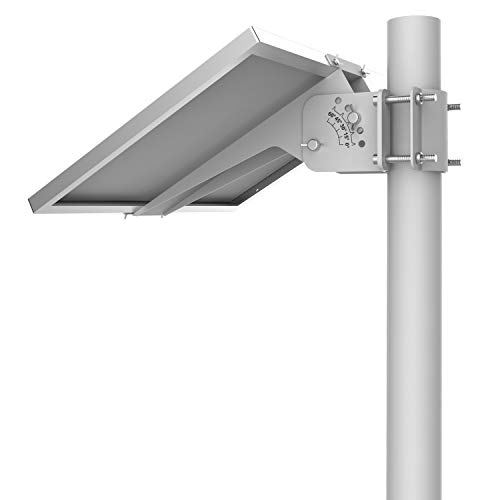
The SUNER POWER adjustable bracket is built for poles ranging from 1.5 to 3 inches in diameter. Its ergonomic design supports weather resistance and low maintenance. The angle can be adjusted across 0°, 15°, 30°, 45°, and 60°, enabling precise sun tracking to maximize daily output. This flexibility helps optimize sun exposure for varying latitudes and seasonal changes, especially in off-grid or rural installations.
Mounting Brackets Pole Mount for Solar Panel (30W–60W)

These high-strength brackets are designed for quick installation on a single pole. They claim to boost average efficiency by enabling 45-degree tilt and orienting panels toward the sun. The kit includes 3mm aluminum brackets with steel nuts, bolts, and washers for long-term reliability. It’s compatible with round poles around 2 inches in diameter and is suitable for standard 30–60 watt PV modules, making it a sturdy choice for medium-sized off-grid setups.
Pole Mount Kit Single Arm For 5W–50W Panels
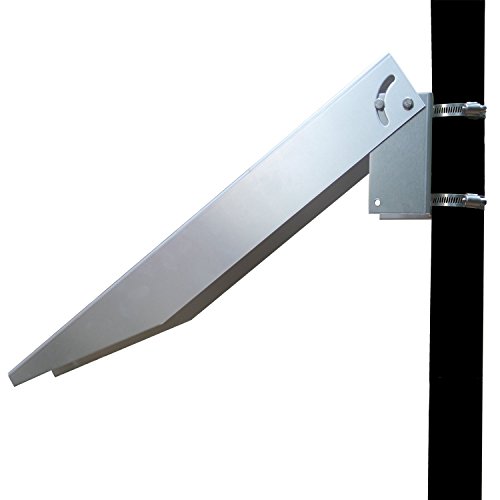
This pole mount kit emphasizes universal compatibility and corrosion resistance. It supports a wide range of panel brands and types, with tilt capabilities from 0° to 90°. It accepts pole diameters from 2.0 to 4.5 inches and is designed for easy adaptation to different mounting footprints. The kit includes stainless steel hardware to withstand outdoor exposure, making it a versatile option for varied off-grid installations.
Pole Mount Bracket Kit For 20W–50W Panels

The MCOOH adjustable angle pole mount supports 20–50W panels with a tilt range of 0–90 degrees. It uses premium aluminum alloy and stainless steel hardware to resist corrosion and withstand wind and snow loads. The mount fits poles from 1.8 to 4 inches in diameter and accommodates panels with compatible inner extrusion dimensions. It is designed to balance robust performance with straightforward installation in off-grid environments.
Buying Guide: Key Purchase Considerations
- Pole diameter compatibility: Ensure the mount fits your pole size, typically 1.5–4 inches. Check available clamps and mounting hardware for your specific pole model.
- Panel size and weight: Choose a mount rated for the panel wattage and weight you plan to deploy. Larger or heavier panels may require sturdier brackets and additional fasteners.
- Adjustability: Tilt and orientation features affect daily solar absorption. Look for adjustable angles (0–90 degrees) and solid locking mechanisms to maintain position in wind.
- Durability and materials: Aluminum alloy brackets with stainless steel hardware offer corrosion resistance and weatherproofing, crucial for outdoor exposure.
- Ease of installation: Consider kits with pre-drilled holes, clearly labeled parts, and included hardware to simplify assembly and reduce installation time.
- Off-grid suitability: Verify compatibility with off-grid systems, including load tolerance, wind and snow ratings, and the ability to secure panels without a roof.
- Maintenance access: Elevated panels allow easier cleaning and maintenance; ensure the design allows safe access and airflow around the system.
- Future expandability: If you anticipate adding more panels, select a mount with modular components or extra capacity to simplify upgrades.
- Warranty and support: Look for mounting kits backed by warranties and responsive customer support in case of hardware issues.
- Local climate considerations: In high-wind or heavy-snow regions, prioritize reinforced brackets and secure anchoring to reduce risk of detachment.
Additional Considerations and Comparisons
- Cost versus durability: Higher-duty brackets tend to cost more but offer longer lifespans in harsh environments. Balance upfront expense with long-term reliability.
- Versatility vs. specialization: Some mounts are universal, while others target specific panel sizes. Choose a solution that aligns with your current and anticipated needs.
- Aesthetics and footprint: Pole mounts can be more visually discreet than roof mounts. Consider the impact on yard aesthetics and available space.
- Installation context: Roof-adjacent or ground-based installations have different access constraints. Ensure your chosen kit accommodates the site’s physical access limitations.
- Maintenance considerations: Elevated systems reduce ground-level interference but demand safer maintenance practices, especially for taller poles.
- Regulatory and safety checks: Verify compliance with local building codes and HOA guidelines before installation.