Choosing the right bottom board is essential for hive ventilation, weather resistance, and ease of maintenance. This guide highlights five top-rated bottom boards that fit standard 10-frame Langstroth hives and are coated or built to improve durability. Each option balances airflow, protection, and practical design to support healthy bee colonies across seasons.
Summary Of Selected Products
| Product | Brand | Frame Fit | Coating/Material | Notes |
|---|---|---|---|---|
| 10-frame | Beeswax coated wood | Excellent ventilation; wax-coated for weather protection | ||
| 10-frame | Cedar wood, beeswax coated | Durable cedar; metal inserts for climate control | ||
| 10-frame | Beeswax coated wood | Solid base with bee-friendly finish | ||
| 10-frame | Solid wood | Durable alternative to screened boards | ||
| 10-frame | Wood with solid base | Includes entrance reducers; bundled package |
BeeCastle Screened Bottom Board (10-Frame)
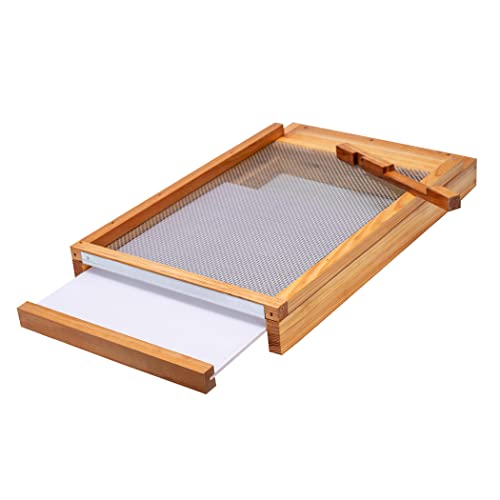
The BeeCastle 10-frame screened bottom board comes coated with 100% beeswax, helping protect the wood from weather while promoting proper hive ventilation. Its screened bottom promotes airflow to keep colonies cooler in warm months, making it a practical choice for hot climates. The dimensions are 16-1/4″ by 22″ by 2-9/16″, aligning with standard Langstroth frames. Beeswax treatment supports wood durability and weather resistance, while the screen base supports efficient brood management and humidity control.
BeeCastle Screened Bottom Board (8-Frame)

This BeeCastle model is designed for 8-frame systems but shares the same wax-coated wood construction and screened ventilation profile as the 10-frame version. The 14″ by 22″ by 2-9/16″ footprint remains compatible with standard Langstroth setups, supporting steady airflow while shielding the hive from moisture. Wax coating adds weather protection and helps extend board life, particularly in fluctuating climates.
Honey Lake Screened Bottom Board (10-Frame)

The Honey Lake screened bottom board uses cedar wood with a 100% beeswax coating to resist weather and extend durability. A metal insert strengthens the structure and aids climate control by reinforcing the critical interface between hive and environment. With a 16-1/4″ x 22″ x 2-9/16″ size, it accommodates 10-frame Langstroth hives. This model emphasizes ventilation and robust construction for reliable year-round performance.
Hoover Hives Wax-Coated Solid Bottom Board
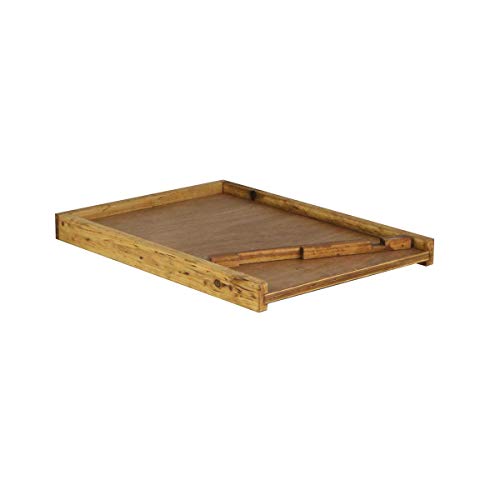
This solid bottom board from Hoover Hives is built from quality wood and finished with a natural beeswax coating to resist moisture while being bee-friendly. The wax finish creates a familiar surface for bees and helps extend hive longevity. The board is designed for 10-frame Langstroth hives and offers a sturdy base that supports passive ventilation strategies without relying on screens.
API Little Giant Solid Bottom Board

The API Little Giant solid bottom board provides a durable, stable base for 10-frame hives. It serves as a reliable alternative to screened boards, enabling passive control of ventilation and brood production. The solid design can suit beekeepers who prefer non-screen bases while maintaining compatibility with standard Langstroth configurations. Easy to install, it supports long-term hive stability.
Colingmill 2 Pack 10 Frame Bottom Board With Entrance Reducer

The Colingmill package includes two solid bottom boards and two entrance reducers, designed to fit 10-frame hives. The dual-pack offers a convenient option for beekeepers managing multiple colonies or swapping components seasonally. The boards provide a solid base and straightforward assembly, compatible with standard Langstroth hives. Entrance reducers help regulate airflow and guard against intrusions, supporting brood production and colony health.
Buying Guide: Key Purchase Considerations
When selecting a bottom board, consider ventilation needs, climate, hive management style, and maintenance. Screened boards maximize airflow and temperature regulation, which can benefit colonies in hot weather but may require more cleaning. Solid boards offer durability and a consistent base, with beeswax coatings providing weather resistance. Materials vary between cedar, solid wood, and wax-coated options; wax coatings can extend lifespan but may require regular inspection for wear. Entrance reducers are valuable features for controlling light and drafts, particularly with newly established colonies or during cold spells. Compatibility with your existing equipment and the number of frames (10-frame Langstroth is the standard in this guide) is essential.
Ventilation and climate control perspectives vary. Some beekeepers prefer wax-coated wood for a traditional, bee-friendly surface and enhanced weather resistance. Others opt for metal inserts or reinforced components in cedar wood to withstand harsh conditions. The choice between screened and solid bottom boards often hinges on local climate, hive density, and beekeeping goals. For beginners, a bundled option with entrance reducers can simplify setup and provide flexible control over airflow as colonies grow.
Maintenance considerations include ease of cleaning, durability of the coating, and whether the board can be easily swapped between hives. For hot climates, screened boards with robust ventilation tend to keep colonies cooler, while solid boards with proper coatings may be preferred in damp or cooler regions to reduce moisture exposure. Always verify frame compatibility and ensure the selected board aligns with your hive’s design and standard measurements.