Whiteflies can quickly infest indoor plants, greenhouses, and outdoor containers. This guide highlights five effective products that target whiteflies and related soft-bodied pests, with options spanning insecticidal soaps, botanical sprays, horticultural oils, and broad-spectrum formulations. Each product is evaluated on suitability for different setups, safety for people and pets, and how to apply for best results. The list emphasizes products available on Amazon to help you compare easily and find the right solution for your garden or home.
| Product | Brand | Best For | Formulation Type |
|---|---|---|---|
| Safer 5118-6 Insect Killing Soap Concentrate | Safer | Flowers, herbs, vegetables, houseplants | Insecticidal soap concentrate |
| STEM Plant-Based Bug Spray | STEM | Indoor and outdoor areas with pets and people | Botanical insecticide spray |
| Monterey Horticultural Oil | Monterey | Aphids, mites, whiteflies, scales | Horticultural oil (oil-based spray) |
| Atticus Pyrus TR Greenhouse Fogger | Atticus | Greenhouse use; mites, thrips, aphids, whiteflies | Total release pyrethrin fogger |
| BASF Alpine PT Insecticide Spray | BASF | Ants, roaches, crawling insects | Dinotefuran-based spray |
Safer 5118-6 Insect Killing Soap Concentrate
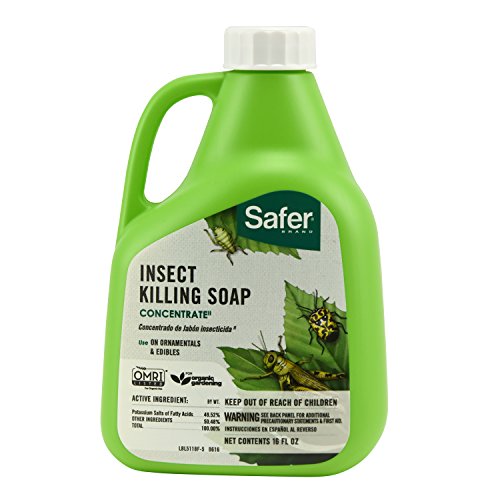
Safer’s insecticidal soap is designed for plants and is OMRI listed for organic use. It targets soft-bodied pests such as aphids, whiteflies, mealybugs, spider mites, and leafhoppers. The product is suitable for a wide range of plants, including flowers, herbs, vegetables, houseplants, lawns, trees, and shrubs. Apply at the first sign of damage and every 5-7 days while insects persist. It can be used up to the day of harvest, making it a flexible option for ongoing management.
The soap works by suffocating pests on contact, reducing populations without a heavy chemical load. For best results, cover both the upper and undersides of leaves where whiteflies often congregate. It’s compatible with most spray schedules and can be integrated into regular garden maintenance routines.
STEM Plant-Based Bug Spray

STEM’s bug spray is formulated with plant-based actives designed to control a range of pests, including ants, roaches, and flying insects. Marketed as safe for use around people and pets when used as directed, this product emphasizes a fragrance-free or mild scent profile. It’s an appealing option for households seeking a botanic approach without harsh chemical odors. While primarily noted for indoor use, it can be helpful in outdoor spaces with proper application to minimize exposure to beneficial insects.
The formulation leverages botanicals tested by entomologists to deliver rapid knockdown. For whiteflies, routine applications may reduce adult populations and disrupt the pest cycle. As with all botanical sprays, effectiveness can vary with pest life stage and environmental conditions, so follow label directions and rotate with other control methods if needed.
Monterey Horticultural Oil

Monterey Horticultural Oil provides a physical, smothering mode of action against a range of pests, including whiteflies, aphids, mites, and scales. Oils are typically effective when temperatures are appropriate and coverage is thorough, as they form a protective blanket that disrupts pest respiration. Oils are generally compatible with many plant types and can be used on ornamentals, vegetables, and houseplants, but advisories often apply to avoid stressing sensitive plants in extreme heat or cold.
Oil-based treatments can be especially useful in greenhouse environments or during early pest outbreaks when Direct contact with pests is feasible. Repeated applications may be necessary to manage creeping populations, and careful stem and leaf coverage is key to success. Always follow product labels regarding temperature, plant sensitivity, and re-entry times when indoors.
BASF Alpine PT Insecticide Spray

BASF Alpine PT is a non-repellent spray containing dinotefuran, offering fast-acting, broad-spectrum control of crawling and some flying insects. While it is marketed for a wide range of pests, it can play a role in integrated pest management programs targeting whiteflies, especially in settings where rapid knockdown across multiple life stages is desired. Because of its non-repellent nature, it may require careful application to minimize risk to beneficial insects and to adhere to any restrictions on usage in food handling areas.
Consider limitations such as safety protocols, potential residues, and the need to rotate with other modes of action to avoid resistance. This option is typically more suitable for more established infestations or areas where quick population suppression is a priority, such as greenhouses or indoor spaces with high pest pressure.
Buying Guide: How To Choose The Right White Fly Control
- Mode of action and pest stage: Insecticidal soaps and oils act physically by contacting pests, while botanical sprays and synthetic insecticides rely on chemical action. For whiteflies, combining contact-kill options with preventative measures often yields better results across eggs, nymphs, and adults.
- Plant safety and environment: Consider plant sensitivity, room temperature, and sunlight. Oils and some soaps can cause phytotoxicity on susceptible plants when misapplied or used in unsuitable temperatures.
- Residue and harvest timing: Some products allow use up to harvest time; others require a waiting period. Plan applications to avoid harvest disruption if you’re growing edible crops.
- Persistence and frequency: Soaps and oils may require more frequent applications, while certain synthetic formulations offer longer residual control. Rotate products to minimize pest resistance and maintain effectiveness.
- Safety around people and pets: Botanical and soap-based products often have lower acute toxicity profiles, but always follow label directions, use protective gear as recommended, and ensure proper ventilation for indoor usage.
- Integrated Pest Management (IPM): Combine chemical treatments with cultural controls (quarantine new plants, remove infested leaves, improve airflow) and biological controls where appropriate to create a balanced, long-term strategy against whiteflies.
- Coverage and application technique: For greenhouse or dense foliage, total leaf surface coverage, including undersides where whiteflies cluster, is critical. Foggers may offer wide coverage but can be harder to target and may affect beneficial insects.
Additional Considerations And Multi-Perspective Comparisons
Choosing the right product depends on your space, pest pressure, and tolerance for potential plant stress. For light infestations on diverse houseplants, insecticidal soaps like Safer offer a gentle, organic option with broad compatibility. If you prefer a plant-based approach with a pleasant scent and straightforward application, STEM’s botanical spray may suit indoor settings where frequent, quick-use treatments are desired. In greenhouse environments with dense foliage and persistent populations, Atticus Pyrus TR’s fogging capability can maximize coverage in less accessible areas. For faster knockdown and mixed pest issues, BASF Alpine PT provides a potent option, though it warrants careful handling and rotation to prevent resistance and minimize non-target impacts. Monterey Oil serves as a versatile option when environmental considerations favor a smothering method that reduces pest populations on contact. Each product brings distinct advantages, so evaluating your space, plant types, and pest lifecycle will help determine the right combination for effective whitefly control.
Integrated strategies—covering sanitation, monitoring, and timely interventions—are essential for sustainable results. Regular inspection of plant undersides, sticky-trap monitoring, and adjusting watering or humidity can influence whitefly activity. When selecting products, verify compatibility with your plant species, especially for sensitive ornamentals or edible crops. Avoid combining several active ingredients that may cause plant stress without shoring up the IPM plan with cultural practices. By aligning product choice with monitoring data and environmental conditions, you can achieve more reliable control over whiteflies while maintaining plant health.