Choosing a safe, durable wood sealer is essential for protecting garden beds from moisture, sun, and weather while keeping soil and plants healthy. The following selections emphasize plant safety, non-toxicity, and long-lasting protection for cedar, pine, hardwood, and other common garden woods. Each option listed here is designed to resist water ingress and UV damage without introducing harsh chemicals into your soil or ecosystem.
Summary of Selected Products:
- Seal It Green Garden Box Sealer (FDA Food Contact Safe, Plant-Based, Non-Toxic)
- Seal It Green Garden Box Sealer (Second Listing, Plant-Based, Non-Toxic)
- Shabebe Garden Box Sealer 32OZ (Plant-Based, Long-Lasting Protection)
- Eco Advance Exterior Wood Siloxane Odorless (Spray-On, Siloxane-Based)
- Seal-Once Marine (Water-Based, Ultra-Low VOC, Marine-Grade Protection)
Seal It Green Garden Box Sealer — Plant-Based, FDA Safe

Garden Bed Wood Sealer designed for cedar and all common raised bed woods. This deep-penetrating formula uses natural oils that bond with wood fibers to protect for a decade or more. It is non-toxic and FDA food contact safe, making it a strong choice for vegetable gardens where soil contact occurs. The product emphasizes plant safety and is free from acrylics, polymers, silane, siloxane, and silicone—ingredients typically avoided in garden settings. A natural citrus scent helps minimize odor during application, and the formula is suitable for pet projects as well, such as sealing chicken coops or dog houses. This option prioritizes transparency in ingredients and avoids petroleum-based additives.
Key considerations: plant safety, deep penetration, long-lasting protection, and non-toxic formulation. This sealer is particularly attractive for home gardeners seeking a 100% plant-based option and a product labeled as safe for food-contact surfaces.
Seal It Green Garden Box Sealer — Second Plant-Based Listing
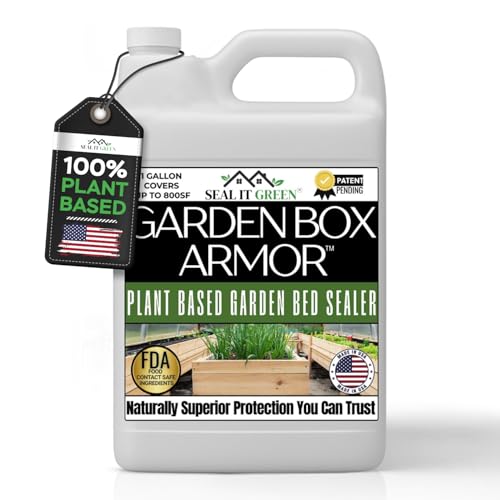
This variant also targets garden beds and planters with a deep-penetrating, non-toxic, plant-based formula. It emphasizes FDA food contact safety and a focus on keeping soil and vegetables free from chemical leachates. The labeling highlights suitability for pet projects, and it reiterates the importance of avoiding acrylic-based or petroleum-derived sealers in vegetable gardens. The messaging centers on safety, understandability of ingredients, and a commitment to plant and animal welfare.
Key considerations: multiple product listings with similar specifications can offer flexible sourcing; verify label claims during purchase to ensure ongoing compliance with plant safety standards.
Shabebe Garden Box Sealer 32OZ — Non-Toxic, Plant-Based

This 32-ounce non-toxic, plant-based wood sealer provides professional-grade protection for all wood types used in outdoor garden structures. It forms a durable bond with wood, helping to resist moisture, sun exposure, and general outdoor wear. The formula is designed to minimize odors and avoid harsh fumes, prioritizing safety for spaces where plants and pets are present. It is suitable for garden beds, planter boxes, fences, and other outdoor wood features. Note that it is not recommended for laminated or coated wood, aligning with common garden-use restrictions.
Key considerations: long-lasting performance with reduced maintenance, plant- and pet-friendly composition, and broad compatibility with typical garden woods.
Seal It Green Garden Box Sealer — Third Listing

This listing reiterates the Garden Box Sealer’s plant-based, FDA food contact safe credentials. It emphasizes deep-penetrating properties and a natural citrus scent, with explicit caution against acrylic or siloxane-based sealers in vegetable gardens. The emphasis remains on non-toxic ingredients, plant safety, and broad compatibility across wood types used in raised beds and outdoor structures. This option is well-suited for gardeners prioritizing safety and environmental responsibility.
Key considerations: consistency across product variants, confirmation of plant-safe ingredients, and suitability for environments where soil contact is likely.
Not Rocket Sciences Garden Box Sealer — 32oz

This 32-ounce option emphasizes 100% non-toxic, plant-based, and food-safe ingredients. It is marketed as an effective outdoor wood sealer that protects garden beds against sun, water, and weather while maintaining the wood’s natural beauty. The product highlights its suitability for garden beds, planter boxes, and other outdoor wood structures, with an emphasis on keeping plants healthy and the environment safe. It is positioned as a straightforward, safer alternative for households with children, pets, or edible gardens.
Key considerations: clear safety messaging, ease of use, and compatibility with common garden wood types and configurations.
Eco Advance Exterior Wood Siloxane — Odorless Spray
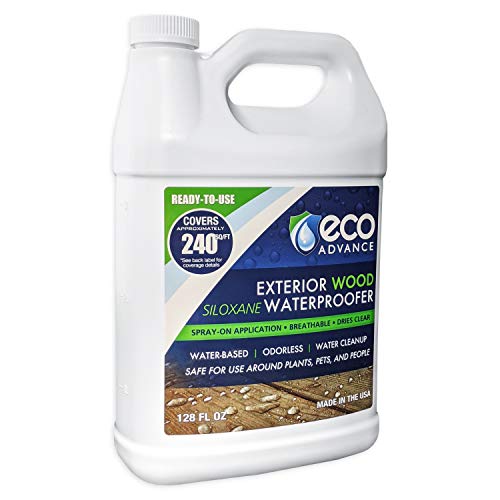
This odorless, spray-on wood sealer is designed for exterior wood surfaces, including decks, fences, and garden structures. The siloxane-based formula penetrates deeply to form a long-lasting barrier against water, oil, and de-icing chemicals. It dries clear to preserve wood’s natural appearance and is marketed as safe for plants, pets, and people, making it suitable for garden beds and adjacent features where drift or overspray is a concern. The ready-to-use spray format simplifies application with standard garden sprayers, reducing preparation time.
Key considerations: application method (spray vs brush), odor level, long-term maintenance, and compatibility with varied outdoor wood substrates.
Seal-Once Marine — Water-Based Wood Sealer

Seal-Once Marine is a water-based, ultra-low VOC penetrating sealer designed for high-moisture environments. It provides UV stability and protection for wood docks, decks, piers, and retaining walls near water, lakes, or salt air. While marketed for marine use, its deep-penetrating barrier makes it a viable option for garden beds exposed to frequent moisture or sprinkler systems. The product emphasizes environmental safety and low VOCs, aligning with eco-conscious gardening practices and safe proximity to edible crops.
Key considerations: suitability for elevated humidity or near water sources, VOC levels, and whether the sealer’s properties align with your specific climate and sun exposure patterns.
Buying Guide: Key Purchase Considerations
When selecting a wood sealer for garden beds, gardeners should weigh safety, durability, and compatibility with their wood type and climate. Important factors include:
- Safety and ingredients: Favor plant-based, non-toxic formulas that are labeled FDA food contact safe when garden soil or edible plants are involved. Avoid sealers containing acrylics, polymers, or petroleum-derived components for vegetable gardens.
- Penetration and durability: Deep-penetrating sealers tend to offer longer-lasting protection against moisture, sun, and weather. Consider whether the product bonds with wood fibers for extended durability.
- Application method: Sprays, brushes, or roll-on formats each have pros and cons. Sprays can be faster for large surfaces but may require masking to protect plants. Brush-on products may offer more precise control on intricate joints.
- Wood compatibility: Confirm compatibility with cedar, pine, hardwood, bamboo, and treated woods. Some products are not recommended for laminated or coated wood.
- Environmental impact: Look for low-VOC formulas and water-based systems to minimize environmental footprint and risk to soil health.
- Maintenance interval: Long-lasting products reduce maintenance cycles but verify manufacturer guidance for reapplication timelines in outdoor garden conditions.
- Odor and fumes: Odorless or low-odor options are preferable for small gardens or indoor-proximate applications.
- Cost efficiency: Compare coverage per gallon with your garden bed area to estimate total needs and long-term value.
For gardeners prioritizing plant safety and environmental responsibility, plant-based, non-toxic sealers that are FDA food contact safe tend to be favorable. Testing on scrap wood before full application can help verify finish appearance and performance. Always follow label directions for surface preparation, curing times, and reapplication intervals to maximize protection and minimize risk to soil and plants.
Note: This article presents product descriptions and features based on listed specifications. Check current product listings for the most up-to-date information and availability.