Choosing the right filter cloth for drainage helps protect drainage systems, prevent soil intrusion, and extend the life of French drains, dry wells, and catch basins. This guide highlights durable, non-woven geotextile fabrics and wrap materials designed to work with common drainage products. You’ll find options suitable for soil types from sandy to clay-heavy, plus easy installation notes and durability considerations. Each featured product supports filtration, soil separation, and long-term performance in landscaping, construction, and erosion control projects.
Summary of chosen products
| Product | Brand | Size / Coverage | Key Benefit |
|---|---|---|---|
| NDS FWFF67 Filter Fabric Wrap | NDS | 2 ft x 7 ft | Protects Flo-Well dry wells; full tank wrap; erosion control |
| Non-woven Geotextile 82 x 32-Inch | HZCGJMY | 82 x 32 in | Excellent filtration; easy cut and install |
| Non-woven Geotextile 82 x 24-Inch | HZCGJMY | 82 x 24 in | Strong drainage and soil separation |
| Wesnoy Dry Well Filter Fabric | Wesnoy | 31.49 in x 7 ft | Comprehensive protection for drainage holes; broad coverage |
| NDS 1200FFRTL Catch Basin Filter | NDS | 12-Inch basin filter | Removable filter; helps prevent clogs at catch basins |
NDS FWFF67 Filter Fabric Wrap For Flo-Well

The NDS FWFF67 is designed to work with Flo-Well Dry Well systems. It prevents soil from entering weep holes, reducing clog risk and supporting erosion control. The wrap covers the tank sidewalls for enhanced filtration and is suitable for various soils and landscape applications.
Non-woven Geotextile 82 x 32-Inch
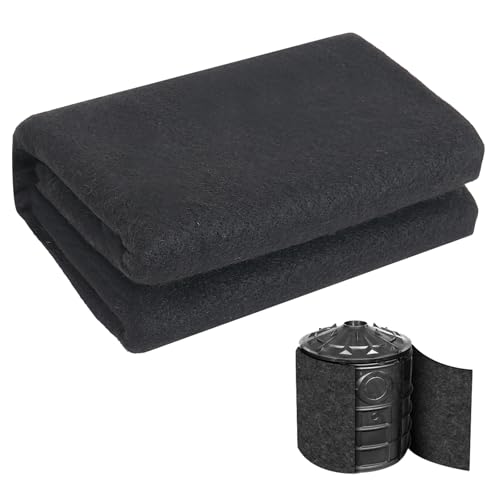
HZCGJMY’s 82 x 32-inch non-woven geotextile fabric provides robust filtration and soil separation for drainage systems. It’s flexible, easy to cut, and conforms to uneven subsurfaces, supporting long-term performance in French drains, trench drains, and similar projects.
Non-woven Geotextile 82 x 24-Inch
This 82 x 24-inch geotextile wrap from HZCGJMY emphasizes silty and fine soil management. It offers strong filtration, easy handling, and compatibility with a range of drainage installations, extending system life in erosion-prone areas.
Wesnoy Dry Well Filter Fabric

Wesnoy’s filter fabric wrap offers a comprehensive solution for protecting drainage holes and promoting efficient water infiltration. Its generous dimensions support wrapping around larger dry well tanks and are noted for ease of use in outdoor projects.
NDS 1200FFRTL Catch Basin Drain Filter

This 12-inch catch basin filter by NDS is designed to fit within drain basins to block sediment and debris, reducing clogs and maintenance needs. It works with gravity-driven drainage and complements drain grates for improved performance.
Buying Guide: Key Considerations For Filter Cloth In Drainage
- Material and filtration efficiency: Look for non-woven geotextiles that provide soil separation without impeding water flow. Higher filtration efficiency helps prevent sediment from entering drains, especially in clay-heavy soils.
- Compatibility with drainage components: Ensure the fabric wrap or liner is designed for use with your dry wells, catch basins, or French drains. Some products are optimized for Flo-Well systems, while others suit trench drains and sub-surface installations.
- Dimensions and coverage: Choose fabric size that matches your project’s scale. Larger wraps reduce seams and potential gaps, while smaller pieces are easier to handle in tight spaces.
- Durability and weather exposure: Durable, UV-resistant fabrics withstand outdoor conditions. For long-term projects, select fabrics with high tensile strength and tear resistance to endure soil movement and root growth.
- Ease of installation: Fabrics that are easy to cut, handle, and wrap simplify installation around tanks and basins. Pre-assembled filters or full-wrap solutions can save time on site.
- Soil type and project goals: Silt-heavy soils require fabrics with strong sediment control, while sandy soils emphasize rapid drainage. Consider erosion control needs and compatibility with landscaping or construction projects.
- Maintenance and longevity: Some geotextiles are reusable or reusable after cleaning, while others are intended for single-use. Evaluate long-term maintenance needs and replacement intervals.
- Environmental impact: Opt for fabrics designed for garden and landscape applications that minimize ecological disruption and support soil health.