Selecting the right acidifying fertilizer helps acid-loving plants thrive, from azaleas and rhododendrons to blueberries and hydrangeas. The following picks are formulated to lower soil pH, supplement essential micronutrients, and support robust growth. Each product is evaluated for soil compatibility, nutrient balance, and application practicality to help American gardeners improve flowering, foliage color, and overall plant health.
Summary of chosen products
| Product | Brand | Type | Ideal Plants | Key Benefit |
|---|---|---|---|---|
| GARDENWISE 8-4-8 Acidic Fertilizer | GARDENWISE | Azaleas, Camellias, Rhododendrons, Hydrangeas, Blueberries | Iron-rich formula; soil acidification | |
| Miracle-Gro Miracle-Gro Miracid | Scotts | Azaleas, Hydrangeas, Rhododendrons | Quick root and foliar feeding | |
| Down To Earth Organic Acid Mix | Down To Earth All Natural Fertilizers | Blueberries, Azaleas, Rhododendrons | Low pH soil-friendly | |
| Miracle-Gro Shake ‘N Feed | Miracle-Gro | Acid-loving flowering trees and shrubs | Season-long feeding | |
| GS Plant Foods Humic Acid | GS Plant Foods | General garden use, improves root access | Organic-leaning soil health |
The following sections detail five products most relevant to acid-loving plants, with practical notes on how each can improve soil health, nutrient uptake, and flowering abundance. Each product includes a direct link to its Amazon listing and a visual, helping you compare quickly before purchasing.
GARDENWISE 8-4-8 Acidic Fertilizer For Azaleas And More

GARDENWISE 8-4-8 is designed for acid-loving shrubs and fruiting plants. The formula supplies magnesium, iron, and manganese to counter chlorosis while promoting vibrant blooms and vigorous foliage. As a soil acidifier, it helps plants such as azaleas, camellias, hydrangeas, and rhododendrons access essential nutrients in low-pH environments. A standout feature is its bio-solid component, which introduces live microbes to support soil vitality. Use during active growth and flowering phases to maximize uptake and bloom performance. Ideal for landscapes that sit in neutral to mildly alkaline soils where acid-loving species struggle to thrive.
Scotts Miracle-Gro Miracid Acid-Loving Plant Food
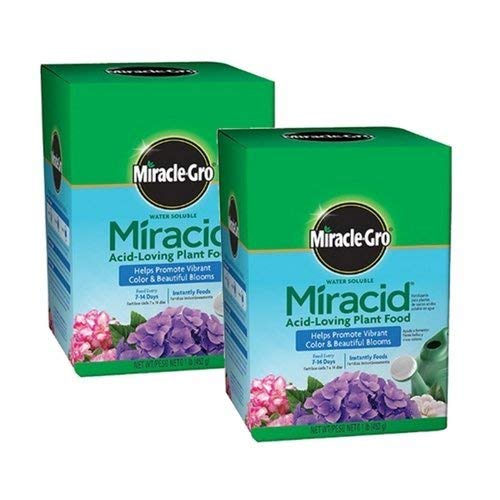
Miracle-Gro Miracid is a water-soluble fertilizer tailored for acid-loving plants. It delivers nutrients quickly through both roots and foliage, making it a practical option for rapid green-up and bloom support in azaleas, hydrangeas, and rhododendrons. The product’s dual feeding action can help correct deficiencies during periods of rapid growth or stress. Ideal for container plants and in-ground beds where quick, noticeable effects are desired, particularly when soils tend toward neutral pH.
Down To Earth Organic Acid Mix For Acid-Loving Plants

Down To Earth Organic Acid Mix blends nutrients for plants that prefer low pH levels. It is particularly well-suited for rhododendrons, azaleas, camellias, hydrangeas, evergreens, and fruiting shrubs like blueberries. The product is designed to encourage lush flowering and growth by maintaining acidic soil conditions. Scheduling applications in early spring and during bloom ensures vernal vigor and better fruit set, with fall applications aimed at strengthening root systems for winter resilience.
Miracle-Gro Shake ‘N Feed For Acid-Loving Trees And Shrubs

Shake ‘N Feed is formulated to support flowering trees and shrubs, including those with acid-loving needs. It contains natural ingredients and provides up to three months of nutrition, a convenient option for busy gardeners. This product is suitable for in-ground beds and containers, and it complements ongoing acidification strategies by promoting deep green foliage and extended bloom periods without frequent reapplications.
GS Plant Foods Humic Acid Soil Amendment

GS Plant Foods Humic Acid acts as a soil amendment to improve nutrient availability and soil structure. Derived from Leonardite, this OMRI-listed product is suitable for organic programs and regenerative practices. Humic acids increase cation exchange capacity and help roots access nutrients more efficiently, supporting all acid-loving plants while promoting long-term soil health. Use as a supplement to other acidifying fertilizers to boost microbial activity and micronutrient uptake.
Down To Earth Granular Humic Acids

This granular humic acid product is OMRI-listed and designed to increase nutrient uptake by enhancing soil structure. While not a fertilizer alone, it complements acid-loving plant programs by improving the soil’s capacity to retain water and nutrients. It’s beneficial for blueberries, rhododendrons, azaleas, and other acid-preferring species when used alongside a dedicated acidifying fertilizer. Suitable for soil amendments in fields, lawns, or garden beds seeking resilient plant health.
Bloom City Acid-Loving Plant Fertilizer
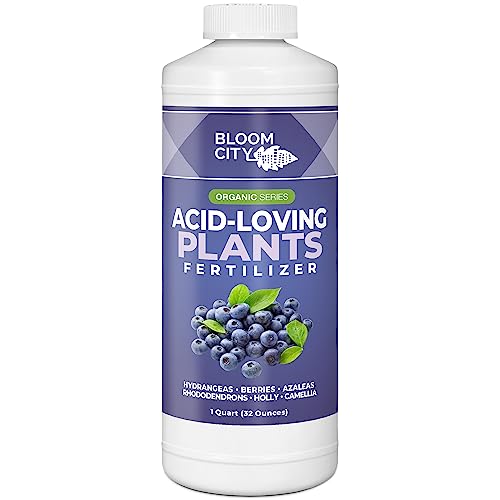
Bloom City’s Acid-Loving Plant Fertilizer is formulated to maintain acidic soil conditions, supporting growth and production in azaleas, rhododendrons, blueberries, and similar plants. Succinic acid components assist in optimizing soil acidity for improved nutrient uptake. This product is a practical choice for gardeners who want consistent soil pH management alongside nutrient supply, particularly in regions with alkaline or neutral native soils.
Buying Guide: Key Purchase Considerations
Soil pH and plant type: Before selecting an acidifier, test your soil pH and identify your plant cohort. Acid-loving plants respond best when soil pH is in the 4.5–6.0 range, depending on species. Choose a product designed for your target plants to maximize nutrient availability.
Formulation and application: Decide between liquids, water-soluble, granular, and slow-release formats. Liquids and water-soluble formulas act fast but require frequent application, while granular and slow-release options offer longer intervals between feedings. Consider container versus in-ground use, as delivery methods differ.
Nutrient balance: Look for iron, magnesium, manganese, and other micronutrients that address chlorosis and iron deficiencies common in acid-loving plants. Some formulas also include beneficial microbes to improve soil biology, which can support long-term health.
Soil health and organic compliance: If you prefer organic methods, verify OMRI listings and choose humic acids or organic acid mixes. Humic substances improve nutrient uptake and soil structure, complementing pH-lowering products without harming beneficial soil life.
Environment and safety: For outdoor use, ensure the product is suitable for your climate and soil type. Read label directions for application rates, timing, and safety precautions to protect waterways, wildlife, and humans in households with pets or children.
Cost and convenience: Consider total project scope—single shrubs, large beds, or container plantings—and choose a product with a favorable price-per-plant or per-square-foot coverage. A combination approach—acidifier plus soil conditioner—may yield the best long-term results.