When selecting landscape fabric for erosion control, you want a solution that provides reliable drainage, soil protection, and long-term durability under heavy use. The following five products are among the most suitable options for projects ranging from driveways and French drains to garden beds and construction sites. Each offers strong tensile strength, high permeability, and proven performance in erosion-prone environments.
| Product | Brand | Size | Weight / Material | Permeability & Use |
|---|---|---|---|---|
| Driveway Fabric, 13×200 ft | DWALE | 13 ft x 200 ft | 3.5 oz heavy-duty geotextile | High permeability; suitable for erosion control, French drains, and driveways |
| 6.5ft x 300ft Weed Barrier | Pterying | 6.5 ft x 300 ft | 3 oz polypropylene | High permeability; durable weed barrier for erosion control |
| PioneerWorks Geotextile Landscape, 6×50 | PioneerWorks | 6 ft x 50 ft | 6 oz PP non-woven | Heavy-duty construction focus; erosion control and drainage under heavy loads |
| Doniks 13x150ft Driveway Fabric | Doniks | 13 ft x 150 ft | 3.5 oz heavy-duty | High-strength, durable; supports gravel and large loads |
| Driveway Fabric, 6×300 ft | DWALE | 6 ft x 300 ft | 2.4 oz lightweight to medium-duty | Permeable and durable; suitable for erosion control on larger areas |
The list below examines these selections in more detail, focusing on material strength, permeability, installation ease, and typical erosion-control applications. Each product aligns with best-practice factors for effective soil stabilization, drainage, and weed suppression in exposed or slope-prone settings.
Driveway Fabric For Erosion Control — DWALE 13×200 ft
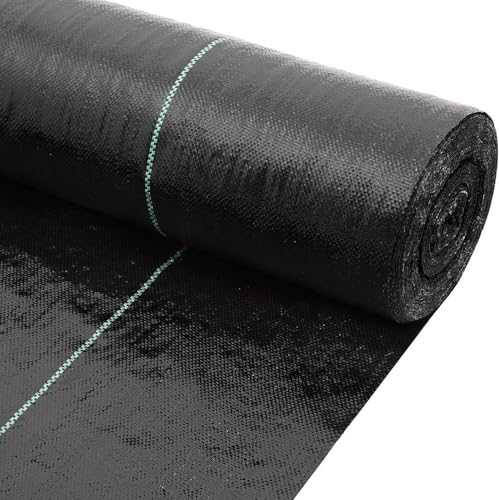
The 3.5-ounce heavy-duty geotextile from DWALE is designed for erosion control around driveways and drainage projects. The fabric’s thickness balances durability with permeability, allowing air and water to pass while preventing excessive soil movement. The large 13-by-200-foot roll size helps cover long stretches, reducing seams that can become erosion points. This product is described as tear-resistant and suitable for French drains and landscaping applications where soil stability is needed without impeding drainage.
Premium Weeded Barrier — Pterying 6.5×300 ft
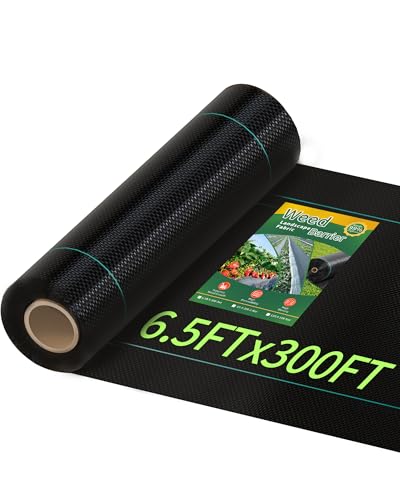
Designed as a heavy-duty weed barrier with high permeability, this 3-ounce polypropylene fabric supports water passage and soil aeration, helping prevent waterlogging while keeping weeds at bay. Green alignment stripes simplify planting layouts, and the fabric’s long roll length makes it convenient for larger erosion-control installations. It’s suitable for garden beds, driveways, and other outdoor areas where erosion and weed suppression are concerns.
PioneerWorks Erosion Control Geotextile — 6×50, 6 oz

PioneerWorks markets this geotextile as a heavy-duty, high-strength option tailored for serious erosion-control scenarios. With 6 ounces of PP non-woven fabric and a 350N tensile strength, it is positioned for use under concrete, pavement, or other heavy-load applications like riprap channels and retaining walls. The manufacturer notes that while it allows drainage, its primary intent is not weed suppression but robust separation and filtration in construction contexts.
Commercial Driveway Fabric — Forimo 13×65 ft, 3.5OZ

Forimo’s 13-by-65-foot roll offers a compact yet durable 3.5-ounce option suitable for sidewalks, driveways, and garden pathways. The fabric’s woven texture promotes air, nutrient, and water movement, supporting soil health and erosion control. It’s marketed as easily cut to fit non-standard shapes, which can help when addressing graded slopes or irregular yard layouts where erosion risk is present.
DWALE Driveway Fabric — 6×300 ft, 2.4OZ
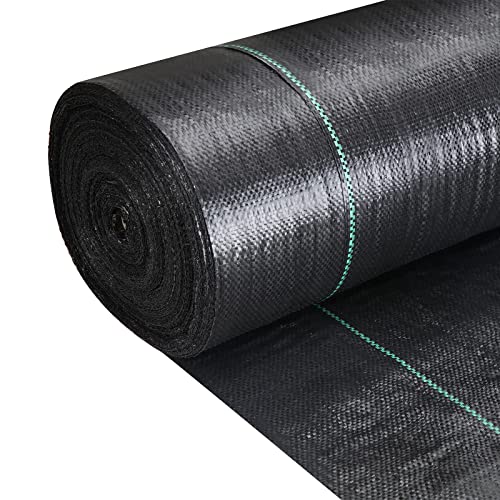
This 2.4-ounce option from DWALE covers larger areas with a 6-by-300-foot footprint. It emphasizes permeability and ease of installation while providing a balance between strength and flexibility. The fabric is described as tear-resistant with properties favorable for erosion control, fences, or driveways in areas where drainage is essential to maintain soil stability.
Buying Guide: Key Considerations For Erosion-Control Fabrics
Choosing the right landscape fabric for erosion control involves balancing strength, permeability, longevity, and installation practicality. Consider these factors to match your project goals.
- Material and weight: Heavier fabrics (around 6 oz) tend to offer greater tear resistance and durability under load, which is important for driveways, pathways, and heavy-traffic areas. Lighter fabrics (2.4–3.5 oz) may be easier to install over large areas but can wear more quickly under heavy use.
- Permeability and drainage: A fabric should allow water and air to move through to avoid soil compaction and puddling. Permeability is crucial for French drains and slope stabilization where drainage paths are needed.
- Strength and durability: Tensile strength, UV resistance, and overall durability determine longevity, especially in outdoor environments exposed to sun and weather. Construction-focused geotextiles may offer higher load-bearing capacity than weed-barrier fabrics intended for gardens.
- Size and installation: Roll dimensions should align with project area to minimize seams. Clear alignment features or marked lines reduce misalignment during installation, particularly on sloped ground.
- Intended use: Some fabrics are optimized for weed suppression, others for heavy loads or drainage under pavement. Identify whether the primary goal is erosion prevention, filtration/separation, weed control, or a combination.
- Compatibility with overlying materials: Consider how gravel, mulch, or pavement will interact with the fabric. Some fabrics support underlayment for driveways, while others are better suited to garden beds.
- Cost and availability: Larger, heavier fabrics may offer better long-term value for erosion-control projects, but upfront costs and delivery logistics should be weighed against your project timeline.
In practice, for erosion control in outdoor settings, prioritize products with higher ounces per square yard, robust tensile strength, and clear guidance on use with drainage systems. For large-scale driveways or construction sites, heavy-duty polypropylene geotextiles are commonly favored. For more delicate garden applications or weed suppression only, lighter-weight fabrics can be effective when combined with proper maintenance and appropriate expectancies for longevity.