Protecting plants from harsh sun while preserving airflow is essential for thriving gardens. This article reviews five effective shade solutions designed for patios, greenhouses, and outdoor beds. Each option balances sun blockage with ventilation, helping you maintain ideal temperatures and moisture. Explore shaded protection that fits raised beds, containers, and larger garden areas, and compare features to choose the best fit for your plants.
Summary Table
| Product | Shade Rate | Best For | |
|---|---|---|---|
| Cool Area 55% Sun Shade Cloth (6.5×10 ft) | 55% | General plant protection, large shade areas | Greenhouse, patio, garden beds |
| Glieskir 90% Shade Cloth (6.5×10 ft) | 90% | Hot climates, delicate sun-loving plants | Greenhouses, pergolas, canopies |
| Axcoix 4 Pack Plant Umbrellas (26″ diameter) | About 75% | Potted plants and small containers | Patios, balconies, raised beds |
| Garden expert 50% Shade Cloth (5×10 ft) | 50% | Balanced shade and airflow | Greenhouses, gardens, outdoor living spaces |
| CIEOVO Shade Tent (32.5″ x 13″ x 15.7″) | Shade tent for beds | Raised beds, portable shade | Outdoor plant protection |
Cool Area 55% Sun Shade Cloth Mesh Tarp

Built from 100% new HDPE, this shade cloth blocks up to 55% of sunlight while allowing ample air circulation. The product emphasizes durability with a 2-3 year service life, avoiding recycled materials, and a glossy, odorless finish. It is designed for easy installation, including a pre-cut edge with aluminum buckles and compatibility with zip-ties or rope. This makes it suitable for greenhouse canopies, garden pergolas, and car barns that require a breathable shade solution.
Upgraded Garden Shade Cloth Kit (75%)
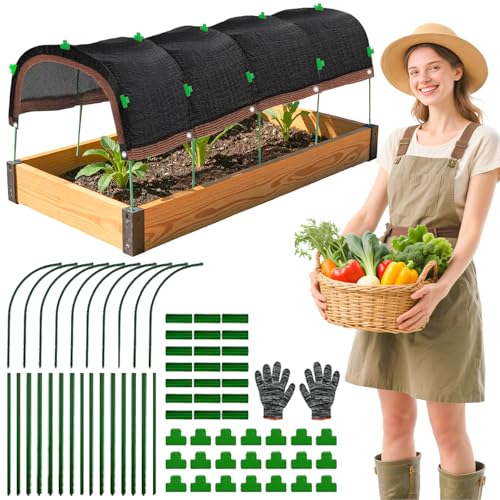
This kit provides a robust shading solution with a 75% rate, designed for outdoor plant protection. It includes a durable shade cloth, garden hoops, connectors, clips, and gloves to help you construct shaded enclosures over raised beds or beds with plant rows. The hoops are made from strong plastic and can be arranged to form multiple shapes, offering versatility for different bed layouts. The combination is aimed at reducing heat stress while maintaining air flow for plant health.
Glieskir 90% Blackish Green Shade Cloth

Designed to block 90% of sunlight, this shade cloth provides a high level of protection in hot climates while still allowing airflow. The HDPE material features breathable mesh and reinforced binding on all edges, improving tear resistance and durability in wind or rain. Suitable for canopies, greenhouses, and outdoor shelters, it helps minimize sun damage to sensitive plants and reduce watering stress during peak sun hours.
Axcoix 4 Pack Plant Umbrellas

These 26-inch plant umbrellas provide adjustable shading across four units, designed to block roughly 75% of direct sunlight. The umbrellas feature a bendable top handle for directional shading and are mounted on sturdy alloy frames with waterproof, UV-coated fabric. Ideal for potted plants, herb beds, and smaller garden setups, they offer adjustable height options to accommodate different plant heights.
Garden expert 50% Sun Shade Cloth

The Garden expert shade cloth balances sunlight with airflow, blocking about half of the sun’s rays. Constructed from HDPE, it emphasizes durability and year-round usability, including resistance to tearing and ages from exposure. It’s reinforced with lock-stitch seams and sturdy edges, making it a strong option for greenhouses, patios, and garden borders where consistent shade is desired without restricting ventilation.
CIEOVO Shade Tent for Raised Beds

Included are two raised bed shade tents with stakes, offering foldable, reusable protection for sun-sensitive crops. Made from durable polyethylene, the tents are designed for easy setup and compact storage, allowing quick deployment during peak sun and removal when shade is no longer needed. The foldable design helps gardeners adapt shade coverage as plant needs shift across the growing season.
Buying Guide: Key Considerations For Choosing Plant Shade Canopies
- Shade rate: Determine whether your plants require light filtration or strong sun protection. Higher shade rates (75%–90%) suit sun-loving or heat-stressed species, while 50%–55% can support many vegetables and ornamentals with better airflow.
- Material quality: Opt for HDPE fabrics with reinforced edges and locked stitching to resist tearing. Ensure the material is UV-stable, odorless, and safe for prolonged contact with plants.
- Ventilation: Look for products that maintain airflow to prevent stagnant humidity, which can invite mold and fungal issues. Breathable weave and mesh designs help plants photosynthesize while staying cool.
- Durability and weather resistance: Consider wind, rain, and temperature exposure, especially for outdoor setups. Reputable products offer tear resistance and stable framing systems for long-term use.
- Installation and adjustability: Easy mounting, adjustable angles, and flexible shapes help tailor shading to sun position and plant layout. Check if components like hoops, stakes, or buckles are included or required.
- Coverage area: Match the canopy or cloth size to your bed dimensions, containers, or patio space. Larger shade cloths are best for broad garden zones, while umbrellas and tents work well for individual beds or clusters of pots.
- Maintenance: Consider ease of cleaning and storage. Foldable tents or cloths that dry quickly reduce risk of mold and extend life between growing seasons.
- Maintenance compatibility: If you water plants directly, ensure the shade solution allows water flow without removing shade cloth, to simplify irrigation routines.
Choosing the right shade product depends on your garden’s size, sun exposure, and plant types. For larger garden areas or greenhouses with high sun intensity, higher shade rates (75%–90%) paired with sturdy materials provide effective protection. For container gardens and raised beds, adjustable umbrellas or modular hoop kits offer flexible shading options. In moderate climates, a balanced 50% shade cloth can reduce heat load while preserving essential sunlight and air exchange, supporting a healthy growing environment.