Growing chilli peppers at home adds bold flavor to meals and can be a satisfying, compact gardening project. This guide highlights a curated selection of hot pepper seeds ideal for home gardens, containers, and survival purposes. From Thai Bird’s Eye heat to the fiery Ghost Pepper, these seeds offer reliable germination, strong yields, and diverse heat profiles to suit beginners and seasoned growers alike. Explore varieties that thrive in sunny spaces, store well, and deliver vivid peppers for fresh use, drying, or preservation.
Summary table of selected products:
| Product | Brand | Heat (SHU range) | Notes | Amazon Link |
|---|---|---|---|---|
| Thai Chili Pepper Seeds for Planting | Heirloom Bird’s Eye Hot Variety | SURVIVAL GARDEN SEEDS | 50,000–100,000 | Compact plants; quick germination | https://www.amazon.com/dp/B0CZMC7X6B?tag=hayeshomeguide-20 |
| Hot Pepper Seeds Variety Pack (Cayenne, Jalapeño, Habanero, etc.) | Sustainable Sprout | Varies by variety; up to 90+ SHU | Large variety pack; high germination | https://www.amazon.com/dp/B07RRJKMJV?tag=hayeshomeguide-20 |
| KVITER 75 Birds Eye Chili Pepper Seeds | KVITER | 50,000–100,000 | High yield; compact bush | https://www.amazon.com/dp/B0F9PT3N42?tag=hayeshomeguide-20 |
| Cayenne Pepper Seeds for Planting | SURVIVAL GARDEN SEEDS | 30,000–50,000 | Fast-maturing; great for drying | https://www.amazon.com/dp/B087NCFMLV?tag=hayeshomeguide-20 |
| Serrano Hot Chili Pepper Seeds | Isla’s garden seeds | 10,000–23,000 | Classic serrano, versatile use | https://www.amazon.com/dp/B08MV57J2Y?tag=hayeshomeguide-20 |
Thai Chili Pepper Seeds for Planting

Thai Bird’s Eye hot peppers are a compact, high-heat variety ideal for small spaces and container gardens. Seeds are described as a spicy heirloom, producing peppers in the 50,000–100,000 SHU range. Gardeners can start indoors and transplant after frost for a harvest window of approximately 95–130 days. This variety is well suited for quick production in balconies, patios, and raised beds, delivering peppers that bring bright heat to salsas, curries, and stir-fries.
Germination is noted to occur within 7–14 days under warm soil conditions, helping gardeners achieve a faster payoff. The plant’s compact growth habit makes it suitable for urban gardens, and the peppers preserve well for dried chili uses or preservation efforts. For best results, provide full sun, consistent moisture, and protective measures in cooler climates to maximize yields across the growing season.
Hot Pepper Seeds Variety Pack by Sustainable Sprout

This variety pack provides multiple popular hot peppers, including Cayenne, Anaheim, Jalapeño, Habanero, Serrano, and Poblano. It emphasizes abundant germination and a broad heat spectrum suitable for various culinary applications. The seeds are positioned as ideal for long-term storage and survival seed kits, with a focus on non-GMO heirloom lines and a high seed count per packet. Users may enjoy fresh peppers for weeks and a diverse pantry of dried chili options. Indoor and outdoor planting options offer flexibility for different climates and space constraints.
Key features highlight robust germination and a broad range of heat and flavor profiles, making this an attractive option for seed collectors and home cooks who want to experiment with several hot varieties in one growing season. The inclusion of a magnet guide is a practical bonus for kitchen spice enthusiasts tracking Scoville levels and usage ideas.
KVITER 75 Birds Eye Chili Pepper Seeds
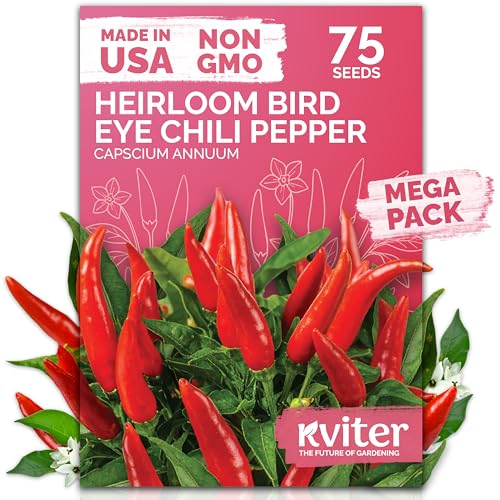
KVITER’s Birds Eye Chili seeds offer a compact, high-yield option with heat levels ranging from 50,000 to 100,000 SHU. The seeds are described as having high germination success, with plants growing to a modest height ideal for patios, balconies, and small garden beds. These peppers produce dozens to hundreds of hot fruits, making them a practical choice for quick harvests and frequent cooking, especially in Asian, Mexican, and fusion dishes where a bright, intense heat is prized.
The variety supports both indoor and outdoor cultivation, with peppers suitable for drying, grinding into chili flakes, or using fresh in recipes. Gardeners should ensure ample sun exposure, regular irrigation, and staking for tall or bushy plants to maximize pepper production throughout the season.
Cayenne Pepper Seeds for Planting
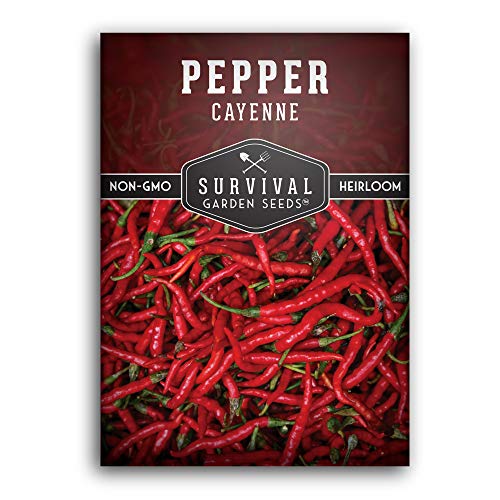
Cayenne peppers are a classic hot pepper variety, offering 30,000–50,000 SHU heat and slender, 5–6 inch fruits. It’s a fast-maturing plant, typically ready in 70–85 days, and thrives in full sun with moderate watering, making it adaptable to a wide range of zones (4–11). Gardeners commonly dry cayenne peppers for spice blends or process them into sauces and rubs for preserved heat throughout the year. The plant’s vigorous growth helps provide a steady harvest, especially when space is not a constraint.
Beyond heat, cayenne delivers a bright, savory pepper flavor that complements numerous cuisines. For optimal results, ensure well-drained soil, consistent moisture, and a bit of airflow around the foliage to reduce disease pressure while keeping the plants productive during peak season.
Serrano Hot Chili Pepper Seeds
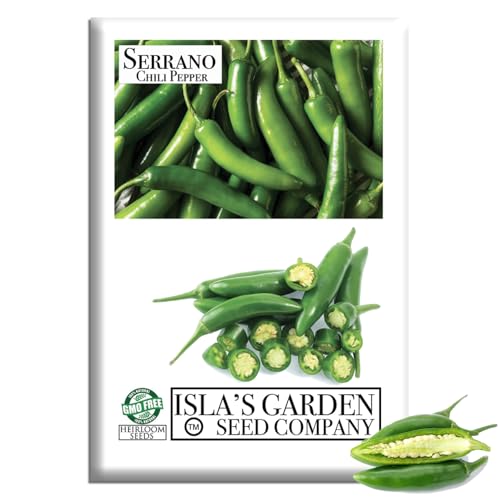
Serrano peppers provide a classic medium-to-hot heat with 10,000–23,000 SHU. Plants grow to roughly 24–36 inches tall and thrive in full sun with loose, well-drained soil. Serrano peppers are popular for fresh salsas, sauces, drying, and cooking, offering a clean, bright heat that stands up well in many dishes. They are well-suited to garden beds, raised planters, and containers, making them a flexible option for urban gardeners seeking reliable yields throughout the growing season.
Germination and growth depend on warmth and consistent moisture. Proper staking or support helps manage branch load as fruit set increases. Harvest peppers when they reach glossy red or green maturity, depending on preference, to maximize flavor and storage life.
Buying Guide: Key Purchase Considerations For Chilli Seed Kits
- Heat and flavor profile: Decide whether you want a mild, medium, or extremely hot pepper. SHU ranges in seeds’ descriptions can help guide choices for cooking needs and preservation plans.
- Seed viability and germination: Look for high germination rates (often listed as 90%+ on reputable packets). This improves germination success, especially for beginners.
- Growth habit and space: Container-friendly varieties (compact bushes) are ideal for balconies and small yards, while taller bush varieties suit traditional gardens with adequate support.
- Days to maturity: Shorter days-to-maturity can yield quicker harvests, valuable for impatient kitchens or shorter growing seasons.
- Storage and shelf life: Some brands emphasize long-term storage or survival seed kits. If preservation is a goal, choose seeds with strong viability in dry, cool conditions.
- Seed diversity: A mixed-pack offers variety for culinary exploration but requires more planning; a single-variety purchase simplifies care and harvest planning.
- Non-GMO and heirloom status: If this aligns with your preferences, verify seed labels and brand descriptions, as some offerings emphasize heirloom or non-GMO lines.
- Growing environment: Consider your climate zone and whether you’ll grow indoors, outdoors, or in both. Indoor setups may benefit from supplemental lighting and controlled temps.
- Garden goals: Decide whether peppers are for fresh eating, drying, pickling, or hot sauces. This informs selection based on maturation, yield, and fruit size.
Overall, a balanced approach combines a high-yield, fast-maturing variety with a couple of hotter and milder options to cover diverse recipes and storage needs. When selecting seeds, review germination notes, temperature requirements, and the recommended planting-to-harvest window to align with your local growing season. Always start seeds indoors where possible and transplant after frost to protect young plants from weather fluctuations. With careful planning, a small seed set can yield a flavorful, spicy harvest across several months.