Choosing the right tiller for a garden tractor combines effort, soil conditions, and compatibility. This guide highlights five dependable options that pair well with CAT I 3-point hitch tractors and PTO systems, offering sturdy gear boxes, adequate working widths, and durable tines. We compare features, depths, and practical uses to help you select the right machine for preparing beds, breaking up tough soil, and extending your growing season.
Overview of Selected Tillers
| Product | Brand | Approximate Working Width | Key Benefit |
|---|---|---|---|
| Sigma Heavy Duty 3 Point Hitch Rotary Tiller 4′ FT 48″ | POWER PRODUCTS | 4 feet | Heavy-duty 3-point with PTO shaft; robust gear box |
| Sigma Heavy Duty 3 Point Hitch Rotary Tiller 5′ FT 60″ | POWER PRODUCTS | 5 feet | Wider tilling width for larger beds |
| Sun Joe Electric Garden Tiller Cultivator TJ603E | Sun Joe | 16 inches | Electric, low maintenance for small to medium plots |
| BUCOTOD 18-Inch 13.5 Amp Tiller | BUCOTOD | 18 inches | Compact electric option with adjustable wheels |
| Impact Implements 6-Piece Agricultural Kit | MotoAlliance | Varies by implement | Versatile ATV/UTV set for soil preparation and beds |
Sigma 4′ Heavy-Duty 3-Point Tiller

The Sigma 4′ rotary tiller is designed for CAT I 3-point hitch tractors with PTO drive. It features a heavy-duty cast iron gear box and a 4-foot working width, enabling efficient soil preparation in raised beds and larger plots. The maximum tilling depth is listed as 6 inches under ideal conditions. Note that actual depth depends on blade selection, soil composition, and operator technique. A skid plate helps reduce resistance and clears debris, contributing to smoother operation.
Sigma 5′ Heavy-Duty 3-Point Tiller
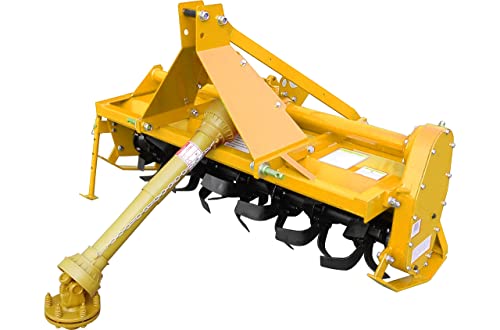
This 5-foot tiller widens coverage for larger yard spaces. It shares the same heavy-duty design ethos as the 4′ model, including a gear-driven PTO shaft and a robust cast iron gearbox. The 60-inch reach helps cover substantial garden beds quickly, with a similar maximum tilling depth of about 6 inches under favorable conditions. Soil type and moisture will influence actual performance, but the construction aims to minimize wear and maximize reliability over time.
Sun Joe TJ603E Electric Tiller Cultivator

The Sun Joe TJ603E offers a 12-amp electric motor with a 16-inch tilling width and versatile 3-position wheel depth adjustment. For small-to-medium yards, this option delivers reliable, low-maintenance soil prep without gas or oil, and its folding handle simplifies storage. Six steel tines resist rust, promoting long-term durability and steadier performance on evenly prepared plots. This model is ideal for homeowners seeking a compact, electric alternative to PTO-driven machines.
BUCOTOD 18-Inch Electric Tiller
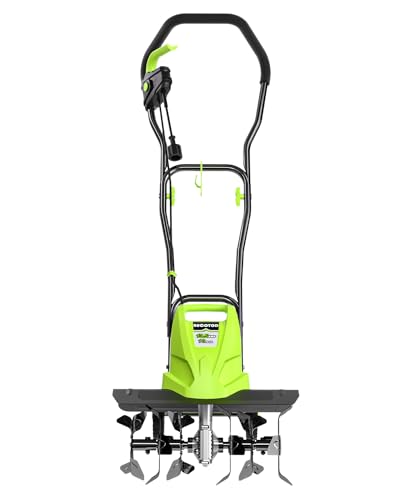
The BUCOTOD 18-inch electric tiller is compact with an 18-inch working width and an 8-inch tilling depth. It uses a robust 13.5-amp copper motor for efficient soil processing and includes an 18-inch pluggable, foldable handle design for easy storage. While not PTO-driven, its efficiency and maneuverability make it suitable for smaller garden beds, raised beds, and perennial borders where a traditional tractor-mounted tiller would be cumbersome.
Impact Implements 6-Piece Cultivator Kit

Impact Implements offers a 6-piece kit designed for ATV, UTV, and lawn tractors. It includes a lift, disc plow, cultivator, middle buster, grading blade, and a landscape rake, all with a simple one-pin mounting system for rapid tool changes. This set is ideal for adapting a tractor to a variety of soil tasks, including bed preparation, seedbed creation, and general landscape maintenance. The all-in-one approach reduces the need for multiple single-function attachments.
Buying Guide: Key Purchase Considerations
When selecting a tiller or soil-prep attachment for a garden tractor, consider the following aspects to ensure a good match with your equipment and garden needs:
- Tractor compatibility: Verify hitch type (CAT I) and PTO alignment. Ensure the tiller’s power requirements match your tractor’s PTO horsepower range to prevent overloading.
- Working width and depth: Wider tillers cover more ground but require stable footing and soil handling. Depth capability (often up to 6 inches) depends on blade design, soil moisture, and debris.
- Gear box and tines: Cast iron gear boxes and heavy-duty tines (steel, rust resistance) improve durability. Count the tines and assess their arrangement for uniform soil mixing.
- Electric vs. gas-powered: Electric tillers (like Sun Joe and BUCOTOD) are low-maintenance and quiet but limited by cord length or battery capacity. Gas-powered PTO models offer more torque for tough soil and larger areas.
- Weight and maneuverability: Heavier units require careful handling in uneven terrain. Folding handles or compact designs aid storage and transport.
- Maintenance and parts availability: Look for readily available replacement parts (blades, gears) and warranty coverage to ensure long-term value.
- Versatility: Some kits, such as the MotoAlliance Impact Implements, provide multiple tools in one system, enabling broader soil preparation tasks beyond tilling.
Purchase Considerations: Performance Versus Convenience
dealers and agricultural equipment often emphasize crank power, blade quality, and ease of use. For extensive garden plots, PTO-driven tillers with wider working widths can dramatically reduce preparation time, but they demand a robust tractor and steady operation. Electric tillers are excellent for small, well-manicured areas or raised beds where noise and emissions are concerns. For those who need flexibility across different jobs, modular accessory sets may deliver value by covering cultivator and bed-building needs in one package.
Operational Tips for Best Results
- Inspect soil moisture: overly wet soil can clog blades and reduce till depth. Allow soil to dry slightly if needed.
- Shift to appropriate depth: Start shallow, then progressively deepen in subsequent passes to minimize strain on the tractor and tiller.
- Clear debris before tilling: remove rocks and roots that can damage tines or gear boxes.
- Maintain a straight path: walk with a steady pace to ensure uniform mixing and prevent gouges in soil.
- Regular maintenance: clean after use, lubricate gears, check belt integrity, and replace worn tines promptly.