Choosing the right substrate is essential for consistent mushroom yields. For growers focusing on straw-based or straw-containing mixes, the goal is to provide a balanced environment that supports fast colonization, strong mycelial growth, and reliable fruiting. The products below are pasteurized or pre-hydrated substrates designed to simplify cultivation while delivering dependable results across common species such as oyster and shiitake. The following selections emphasize straw, horse manure blends, and CVG (coco coir, vermiculite, gypsum) formulations that are well-suited for monotubs and bulk setups.
Summary table of chosen products:
| Product | Brand | Key Benefit |
|---|---|---|
| Pasteurized Horse Manure & Straw Substrate (5 lb) | Out-Grow | Ready-to-use blend with straw and manure for versatile species |
| Pasteurized 50/50 Straw & Horse Manure Mix (25 lb) | Out-Grow | High-yield formula with ready-to-use bags for bulk grows |
| Myco Labs Premium Bulk Substrate Mix (5 lb) | Myco Labs | Optimized pasteurization, nutrient balance for maximum yield |
| Fast Fruiting Pellets (50/50 Oak & Soy) – 10 lb | MushroomMediaOnline | Fast colonization and versatile species support |
| Dry Bulk Substrate (Coco Coir, Vermiculite, Gypsum) – 2 Monotubs | Boomer Shroomer | Hydrates easily; bulk mix designed for multiple flushes |
Pasteurized Horse Manure & Straw Substrate

Out-Grow’s professional formulation blends horse manure with straw, vermiculite, worm castings, gypsum, and coco coir. This substrate is hydrated and pasteurized for immediate use with your preferred mushroom spawn. The mix supports a range of species and is suitable for bulk cultivation or monotub setups, offering a reliable balance of nutrients and moisture retention. The combination aims to enhance mycelial growth while maintaining workable field capacity for steady yield progression.
Key considerations: this substrate is designed for growers seeking a ready-to-use mix with versatile application. Users should consider their target species, inoculation timing, and environmental controls to optimize fruiting cycles. Storage in a cool, dry place helps preserve pasteurization efficacy and substrate integrity. The blend’s diversified nutrients can support both fast colonizers and more demanding varieties, depending on spawn choice and incubation conditions.
Pasteurized 50/50 Straw & Horse Manure Mix (25 lb)

This 25-pound package from Out-Grow combines straw and horse manure to create a high-yield substrate ideal for bulk cultivation. The product is fully pasteurized and comes with 5-micron filter bags to ensure proper air exchange during colonization. The generous quantity supports multiple monotub runs, enabling growers to scale up without frequent restocking. The mix is designed to maintain moisture and stability, making it a practical option for both hobbyists and commercial operations seeking consistent results.
Considerations: users should monitor moisture levels as the substrate absorbs water during hydration. The bagged format facilitates bulk handling, but it is important to maintain clean conditions to minimize contamination risk. The 50/50 ratio suits many oyster and shiitake setups, though species-specific adjustments may yield improved performance in certain climates.
Myco Labs Premium Bulk Substrate Mix

Myco Labs presents a fully pasteurized bulk substrate designed to maximize yield for dung- and grain-loving mushrooms. The blend emphasizes a carefully balanced nutrient profile and water retention, aiming to maintain field capacity throughout growth. Each 5 lb bag is pre-hydrated and ready for immediate use with grain spawn, simplifying workflow for both newcomers and seasoned cultivators. The approach seeks to minimize handling steps while preserving substrate vitality essential for optimal mycelial expansion.
Key points: the method emphasizes nutrient balance and practical hydration. Growers should align substrate choice with their spawn type and desired fruiting schedule. This product’s pre-hydrated nature reduces preparation time, but consistent pasteurization conditions and clean inoculation practices remain important to prevent contamination and achieve uniform results across batches.
MushroomMediaOnline Fast Fruiting Pellets
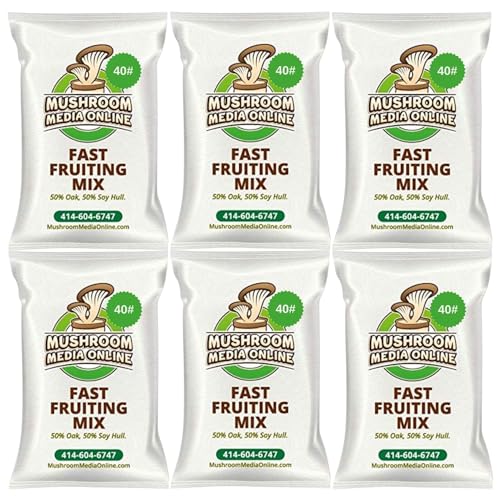
These 50/50 oak and soy hull pellets form a premium substrate designed to accelerate colonization and fruiting across multiple species. The pellets offer a stable structure with balanced nutrients, supporting faster mycelium establishment and more predictable harvest timelines. The versatile composition makes it suitable for oyster mushrooms, shiitake, and other common cultivars, making it a practical choice for hobbyists expanding to small-scale commercial projects.
Practical insights: pellet substrates like this simplify preparation and can shorten time to first harvest. As with other CVG-based substrates, moisture management is key. Users should be prepared to adjust water content during different cultivation stages and monitor for condensation or dryness in monotub setups. The variety of species supported can help growers diversify their crops with a single substrate type.
Boomer Shroomer Dry Bulk Substrate (CVG)

This Boomer Shroomer dry bulk mix provides a CVG substrate that hydrates quickly in a 5-gallon bucket with boiling water. After hydration, pasteurization is recommended to achieve the optimal field capacity for robust fruiting. The mix yields about 9 pounds of hydrated substrate, suitable for two monotubs or similar setups. The CVG balance offers dependable moisture retention and structure essential for consistent mushroom production.
Usage notes: the dry-to-wet process allows growers to tailor hydration levels to specific strains and environmental conditions. It is well-suited for larger runs where multiple monotubs are used simultaneously. Because it relies on a CVG matrix, it avoids some of the odor and stability concerns associated with manure-heavy blends, though species choice can influence results and management needs.
Coco Coir Substrate With Added Cow Manure (10 Lbs)

This 10 lb CVG-based substrate blends coco coir, cow manure, vermiculite, and gypsum to deliver a nutrient-dense environment for mycelial growth. The product emphasizes ease of use, with a pre-mixed substrate suitable for beginners and experienced growers alike. It supports monotub or bag-based cultivation and is designed to deliver reliable fruiting across a range of species while maintaining manageable moisture levels for better yield consistency.
Key considerations: CVG-based substrates provide predictable structure and moisture balance, but the suitability for specific mushrooms depends on spawn compatibility and environmental control. This option suits growers who prefer a non-manure, CVG-centric mix that still offers robust nutrition and moisture retention for sustained production cycles.
Buying Guide: Key Purchase Considerations And Comparisons
Choosing the right straw or straw-containing substrate hinges on several factors. First, consider the target mushroom species. Oyster and shiitake varieties often respond well to CVG blends or mixed manure-straw substrates, while some dung-loving species may thrive on more manure-rich formulations. Second, assess your cultivation scale. Bulk 25 lb bags or larger quantities are better for monotub setups or small commercial runs, whereas hobbyists may prefer smaller, pre-hydrated bags for quicker starts. Third, examine pasteurization status. Pre-pasteurized substrates save time but require proper handling to prevent contamination; ensure storage conditions are dry and cool. Fourth, moisture management is crucial. Strive for the substrate’s field capacity to support strong mycelial colonization without encouraging excess moisture that can hinder gas exchange. Fifth, assess ease of use. Substrates that are pre-hydrated, ready-for-spawn, or designed for minimal preparation help reduce setup complexity and potential mistakes. Sixth, consider shelf life and odor. Some CVG-based options offer longer shelf life and lower odor risk, which matters for indoor cultivation. Finally, price per pound and the number of monotubs or grows achievable per bag can influence overall ROI. Compare features such as nutrient balance, inclusion of vermiculite or gypsum, and whether the product is specifically designed for bulk cultivation or hobby-scale use. By weighing these factors, growers can align a substrate with their workflow, species, and environmental controls for more consistent yields.
In practice, many cultivators rely on CVG-based mixes for their predictability and moisture retention, while others prefer manure-straw blends for their nutrient richness and species versatility. If you are just starting out, a ready-to-use, pre-pasteurized mix reduces setup complexity and lowers contamination risk. For experienced growers, bulk substrates that you can tailor hydration and pasteurization to can maximize yields across multiple flushes. When selecting a product, verify the inclusion of supportive components like gypsum for buffering pH and moisture, vermiculite for structure, and coco coir for water retention. Always cross-check compatibility with the spawn you intend to use and the environmental conditions you can maintain in your growing space.