For succulents and cacti, soil drainage and airflow are as important as light and water. The right sand can dramatically improve potting mixes by lowering moisture retention and preventing root rot. Below is a curated guide to high-quality sands that work well in succulent soil, along with quick-reference product details to help you compare at a glance.
| Product | Brand | Recommended Use | Volume | Notes |
|---|---|---|---|---|
| GARDENWISE Fine Sand for Plants – 1 Quart | GARDENWISE | Indoor succulent mixes, terrariums | 1 quart | Soft, fine-grain; decorative tan finish |
| GARDENWISE Fine Sand for Plants – 3 Quarts | GARDENWISE | Top dressing & soil aeration | 3 quarts | Natural decorative touch |
| Boniosz 1-3mm Fine Silica Sand | Boniosz | Potting mixes, terrariums, succulents | 2.4 lb | 1-3 mm grain for drainage and stability |
| NUPICK 1-2mm Coarse Sand | NUPICK | Succulent and desert plant mixes | 6 lb | Natural, dye-free silica for aeration |
| Mosser Lee ML1112 Black Sand | Mosser Lee | Soil cover & decorative pots | 5 lb | Enhances look while aiding drainage |
GARDENWISE Fine Sand for Plants – 1 Quart
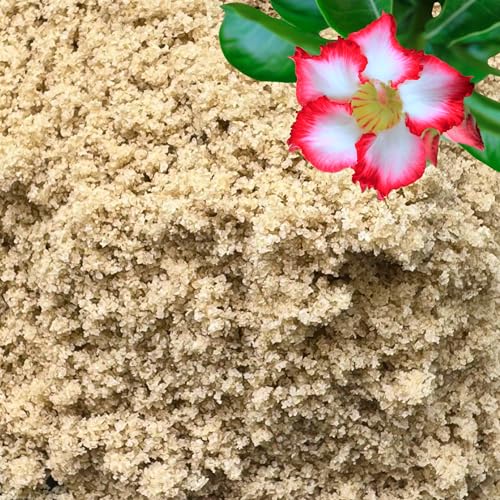
The GardenWise 1-quart sand is a soft, fine-grain option designed to improve soil structure and drainage with minimal effort. Its gentle aeration helps succulent roots grow stronger and healthier, supporting quick drainage in compact pots. This sand also doubles as a decorative top-dressing, offering a polished finish for terrariums, fairy gardens, and potted displays. It is particularly well-suited for adding drainage to indoor succulent mixes without introducing rough texture that could harm delicate roots.
Key features include: a soil-structure boost that reduces overwatering risk, ease of mixing into existing soil, and a natural tan appearance that complements green plant foliage. For best results, blend a portion of this sand with your potting mix to achieve a looser medium that dries evenly between waterings. It is a versatile choice for beginners and seasoned gardeners alike looking to optimize succulent health and appearance.
GARDENWISE Fine Sand for Plants – 3 Quarts
This larger 3-quart option provides more sand for projects that require bulk addition to succulent soil blends or multiple pots. The same fine-grain texture and decorative tan color apply, making it suitable for top-dressing, terrarium layers, and potting mixes designed to maximize drainage. It’s a practical choice for homeowners who maintain a collection of succulents or who regularly refresh potting media.
Usage guidance includes: mixing a portion of the sand into standard potting soil to reduce moisture retention, and using it as a top layer to conceal potting media while promoting evaporation at the surface. The sand’s softness minimizes disruption to roots during mixing, and its natural tone works well with a wide range of plant species and vessel styles.
Boniosz 1-3mm Fine Silica Sand

Boniosz offers a 1-3 mm silica sand suitable for enhancing drainage in succulent soils while providing a stable substrate for root growth. The medium grain size helps prevent soil compaction and provides aeration without creating overly loose texture. The sand is also versatile for terrariums and bonsai, making it a practical inclusion in a mixed media approach to succulent care.
Highlights include: improved drainage when mixed with potting soil, water retention balance to support root health, and a neutral color that blends with various plant aesthetics. When adding to a mix, maintain appropriate ratios to avoid creating overly chunky media, especially in small pots where roots need steady moisture without stagnation.
NUPICK 1-2mm Coarse Sand
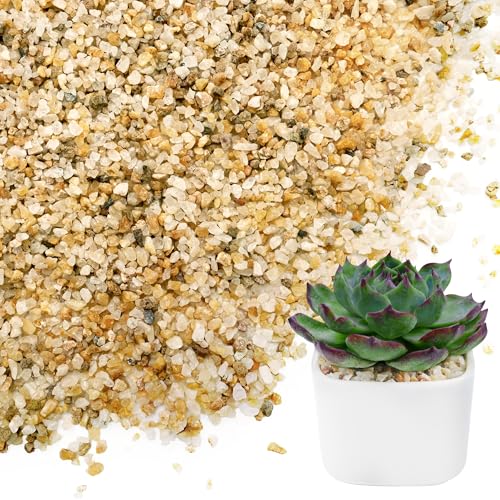
NUPICK’s 1-2 mm coarse sand is a natural, dye-free silica material designed to enhance aeration and moisture balance in succulent mixes. Its medium grain size supports good drainage while helping retain essential moisture near roots, which is beneficial for drought-tolerant species. The sand’s desert-like appearance also adds decorative appeal to planters and vases.
Practical notes: use in a 1:3 ratio with potting soil for optimal drainage, especially in tight containers. The product’s natural composition minimizes the risk of chemical interactions, making it a dependable additive for a wide range of desert plants, including cacti and aloes. Regularly monitor watering to fine-tune the mix for your specific plant collection.
Mosser Lee ML1111 White Sand

Mosser Lee’s white sand offers a bright, clean option for decorative staging and soil drainage. While primarily used as a soil cover in clear containers and terrariums, white sand can also function as a drainage layer in succulent pots, helping to keep the growing medium loose and preventing moisture buildup at the surface. Its appearance can provide a modern aesthetic to contemporary planters.
Considerations include: color that can brighten pots and highlight plant textures, drainage improvements when used as a top layer, and compatibility with a wide range of succulent species. In smaller arrangements, balance with finer elements to ensure roots receive adequate moisture between waterings.
Buying Guide: Key Sand Choices For Succulent Soil
When selecting sand for succulent soil, consider texture, drainage, and compatibility with your potting mix. Below are critical factors and comparison notes to help you choose.
- Grain size: Fine sands (1/4 to 1/2 mm) promote quick drainage and gentle aeration, while coarse sands (1-2 mm) provide structural stability for larger pots but may increase drainage speed. A blend (1:2 or 1:3 ratio) is common for balancing moisture retention and airflow.
- Material: Silica sand is a standard option for its inert nature and consistent grain. Avoid sands with dyes or additives that could affect soil chemistry or plant health.
- Color and aesthetic: Tan or white sands are visually versatile, while colored sands can be decorative but should not compromise drainage.
- Usage context: Use as a component in potting mixes, a top-dressing layer, or a decorative cover. In terrariums, sand helps maintain structure where moisture is limited.
- Purity and odor: Look for clean, odor-free sands that won’t introduce unwanted contaminants to the soil ecosystem.
For best results, evaluate your succulent collection’s watering cadence, pot sizes, and vessel types. Begin with a base mix of 2 parts potting soil to 1 part sand for smaller pots, adjusting gradually toward 1:1 in very well-draining setups. Always monitor plant response—root rot and overwatering are most often tied to insufficient drainage and compacted soil.
In summary, sand can be a powerful ally in succulent care when chosen and blended thoughtfully. The options above range from economical single-package sands to larger quantities suitable for frequent repotting and multiple containers. By aligning grain size, material quality, and aesthetic with your plant needs, you can create resilient, visually appealing succulent arrangements.