Choosing the right herbicide for woody plants and brush control requires evaluating persistence, translocation, and species coverage. This guide highlights five highly relevant options, detailing how each works, where it excels, and practical application notes. The products below are selected for use on fences, roadsides, rights-of-way, pastures, and similar non-crop settings, helping you manage unwanted woody growth effectively while minimizing impact on nearby vegetation.
Summary of chosen products:
- Tordon RTU Specialty Herbicide (1 Qt) – Dow AgroSciences
- Pro Brush & Poison Ivy Killer – 32oz (Liquid Harvest)
- PastureGard HL Herbicide – Dow AgroSciences (Triclopyr/Fluroxypyr)
- Stump Stop Ready-to-Use – OMNI DEPOT
- Honcho K6 Post-Emergent – Generic Glyphosate
Tordon RTU Specialty Herbicide 1 Qt for Woody Plants

Tordon RTU is designed to kill woody plants and trees through cut-surface translocation, making it suitable for fence lines, roadsides, and non-cropland areas. It translocates into the root system to stop resprouts and is effective against a broad range of woody species. The product is not available in every state, so verify eligibility before use. Its formulation emphasizes systemic action with a focus on persistence in woody tissue, delivering control in brushy borders and re-growth-prone areas.
Pro Brush & Poison Ivy Killer – 32oz (Liquid Harvest)

This post-emergent formula targets most woody plants, brush, and broadleaf weeds. It combines triclopyr and 2,4-D to provide broad-spectrum control in both cool and warm weather, offering flexibility for timing. The product supports in-season or dormant-season applications, useful for maintaining routes, fences, and rights-of-way where poison ivy and dense brush may encroach. As with all herbicides, follow label directions for safe handling and application windows.
PastureGard HL Herbicide – Triclopyr & Fluroxypyr
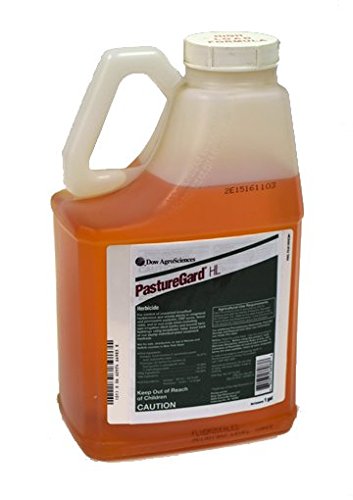
PastureGard HL provides selective woody plant control and strong translocation capabilities, targeting brush and tough species like blackberry, privet, and wax myrtle. It also performs well against other woody species that resist conventional treatments. The product is intended for use in registered states and focuses on brush management in pastures, fences, and similar settings. Expect thorough systemic action and effective reduction of resprouts in treated areas.
Stump Stop Ready-to-Use – 32 Fl. Oz
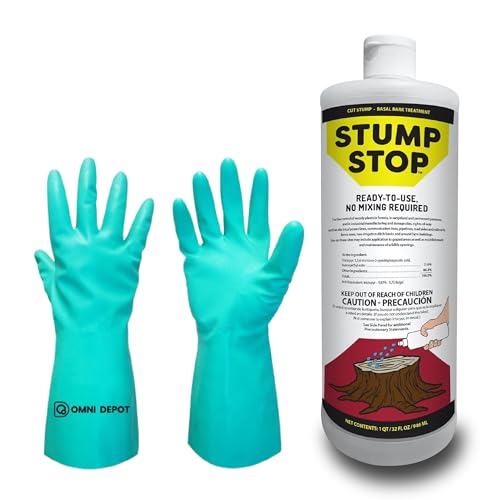
Stump Stop is a ready-to-use stump killer designed for forests, pastures, roadsides, fence lines, and wildlife areas. Its ready-to-use formula reduces preparation time and supports multi-site applications along railroads, roadsides, and farm buildings. This convenience-focused option is particularly suitable for quick stump treatments after cutting, helping to prevent resprouting and ensure long-term control in rugged, non-crop environments.
Honcho K6 Post-Emergent Glyphosate – Woody & Brush Weeds

Honcho K6 provides a concentrated, non-selective glyphosate formulation for post-emergence control of woody plants and brush. It is designed for tough weed scenarios and broadleaf weed management, enabling robust control of target species after they have emerged. This option is widely used where rapid, systemic kill is desired, including along fencelines and roadside corridors, though care must be taken to prevent off-target damage in nearby desirable vegetation.
Buying Guide: Key Purchase Considerations
When selecting a herbicide for woody plants, consider these factors to match your site, crop safety needs, and timing constraints.
- Weed spectrum: Identify the tree species or brush you need to control. Some products excel with broadleaf woody species, others with certain brush types or stumps. The blend of active ingredients (for example, triclopyr with 2,4-D versus glyphosate) affects effectiveness and selectivity.
- Translocation and action: Systemic formulations move within the plant to stop regrowth. If resprouting is a major issue, choose products with strong translocation to the root system and stump treatment.
- Site constraints: Roadside rights-of-way, fence lines, pastures, and forests have different constraints. Some products are labeled for use in specific states or land types; always verify label allowances and local regulations before application.
- Application timing: Some products work best in-season, while others are effective in dormant periods. Timing can influence kill speed, translocation efficiency, and non-target impact.
- Formulation and handling: Ready-to-use formulas save mixing time and reduce handling steps, but ensure that the container size and application method fit your workload and equipment. Consider PPE requirements and safety notes on the label.
- Environmental considerations: Assess potential runoff, drift, and exposure to nearby non-target plants. Choose products with approved buffer zones and use drift-reducing applicators where needed.
- Regulatory compliance: Some products are restricted in certain states. Always confirm eligibility and follow label directions to stay compliant and ensure safe usage.
Practical Comparisons
- Broad-spectrum vs selective: Glyphosate-heavy products deliver broad-spectrum non-selective control, useful for clearing mixed vegetation but require careful targeting to minimize collateral damage. Triclopyr-based formulas excel at woody shrubs and brush in non-crop spaces and often offer strong stump control.
- Post-emergent vs stump treatments: Post-emergent formulas act on actively growing plants, while stump treatments focus on freshly cut surfaces to prevent sprouts. For fenced lines or rights-of-way, integrating both approaches can provide comprehensive control.
- Timing flexibility: Some products permit dormant-season applications, offering flexibility in maintenance schedules. Others are designed for immediate post-cut application to curb resprouting.
- State-specific restrictions: Always check the product’s state availability and any restrictions (for example, shade-sensitive labels on certain brand lines).
The selections above provide a range of mechanisms and application styles to fit common woody weed problems in American landscapes. Whether you need rapid eradication of brush along a road, or long-term stump neutralization after clearing, these products offer practical options for non-crop areas while prioritizing safety and label compliance.