Choosing the right lime pellets can dramatically improve soil pH, nutrient availability, and overall garden vigor. This guide highlights five reliable lime products that help neutralize acidity, support calcium and magnesium needs, and boost plant growth. Each option below includes a quick snapshot and practical usage notes to help you compare at-a-glance and decide which lime pellet best fits your garden goals.
| Product | Brand | Key Benefit |
|---|---|---|
| Hoffman 15208 Pelletized Garden Lime | Hoffman | Reduces soil acidity; sweetens soil; broad lawn, flower, and veggie use |
| Jobe’s Organics Garden Lime | Jobe’s Organics | OMRI listed; organic formula; low runoff and mess |
| Espoma Organic Garden Lime | Espoma | Dolomitic lime; pH raising; can turn hydrangeas pink |
| Organic Dolomite Lime 5LB | Cz Garden Supply | OMRI listed; calcium and magnesium; great for Earthbox containers |
| GARDENWISE Organic Pulverized Lime Powder | GARDENWISE | Fast-acting, OMRI-listed; ideal for organic gardens |
Hoffman 15208 Pelletized Garden Lime
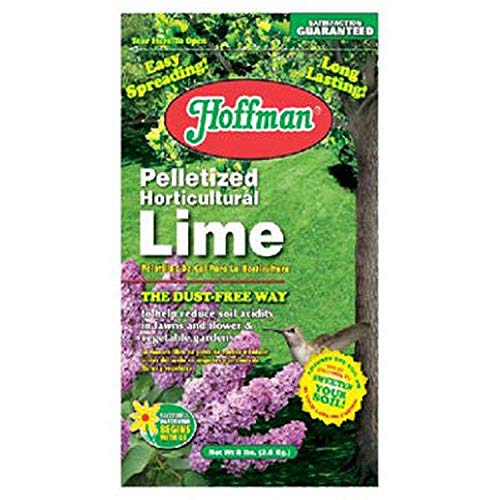
Hoffman’s pelletized garden lime is designed to reduce soil acidity and “sweeten” the soil, increasing the availability of key nutrients to plant roots. It’s versatile for lawns, flower beds, and vegetable gardens, making it a practical all-purpose lime source. Pellets ease application and help minimize dust during use, which supports cleaner, more efficient soil amendments. Use this product to lift pH gradually and promote stronger root systems, particularly in regions with naturally acidic soils.
Jobe’s Organics Garden Lime

This organic lime product emphasizes a clean, low-hazard application with reduced runoff and smells compared with traditional lime blends. It’s formulated to increase soil alkalinity so plants can better absorb essential nutrients, enhancing color and foliage. Being OMRI-listed, it aligns with organic gardening standards, making it suitable for edible gardens and landscapes where synthetic additives are avoided.
Espoma Organic Garden Lime

Espoma’s pelletized dolomitic lime raises soil pH and provides essential calcium and magnesium. A notable feature is its claimed ability to turn hydrangeas pink by moderating soil acidity, which can be desirable for garden designers aiming for specific bloom colors. It’s packaged for easy handling and is suitable for outdoor flowers, lawns, trees, and shrubs, helping maximize fertilizer performance and overall plant health.
Organic Dolomite Lime 5LB

Cz Garden Supply offers an OMRI-listed dolomite lime that supplies calcium and magnesium while raising and stabilizing soil pH. This option is especially suitable for container gardens like Earthboxes and potted arrangements, where precise pH control matters. The product’s organic credentials and stable formula support long-term soil structure and nutrient transport for a variety of crops and ornamentals.
GARDENWISE Organic Pulverized Lime Powder

This pulverized lime powder offers rapid pH correction with a strong emphasis on organic compatibility. As an OMRI-listed product, it’s suitable for organic vegetable gardens and flower beds, helping to unlock nutrients quickly while avoiding synthetic additives. The fast-acting formula supports lawn revival and robust growth in crops sensitive to soil acidity, making it a reliable choice for comprehensive soil management.
Buying Guide: Key Purchase Considerations And Comparisons
When selecting lime pellets, consider soil test results, plant types, and garden goals to determine the best match. The following factors help clarify options and trade-offs:
- Soil pH and nutrient needs: Run a soil test to determine how much lime is required to reach the target pH for your crops or ornamentals. Dolomitic limes supply calcium and magnesium; calcitic lime focuses more on calcium. Choose accordingly.
- Organic vs. synthetic: OMRI-listed and USDA-approved organic products are ideal for edible gardens and organic setups. They are typically gentler on ecosystems and support sustainable practices.
- Pellet size and dust: Pelletized forms reduce dust and enable even distribution, improving safety and application accuracy. Fine powders can be effective but may require careful handling to avoid inhalation and uneven coverage.
- Application method and timing: Apply lime in accordance with soil test results, often in fall or early spring to give the soil time to adjust before planting. Consider weather conditions and irrigation plans to maximize absorption.
- Plant-specific considerations: Hydrangeas and certain ornamentals respond to pH shifts in notable ways (e.g., color changes). If color is a goal, select lime products that align with pH targets for those species.
- Container gardens: For Earthboxes or portable planters, choose lime that supports stable pH in confined soils. Dolomitic lime with balanced calcium and magnesium is often advantageous in small volumes.
Overall, the best lime pellet choice balances soil chemistry, organic compatibility, and practical application. For general garden restoration, Hoffman, Espoma, and Jobe’s Organics provide reliable, versatile options. For organic growers or hydrangea enthusiasts, Cz Garden Supply and GARDENWISE offer strong OMRI-listed alternatives with noted nutrient benefits. Always validate with a soil test to tailor your approach and avoid over-correcting soil pH.