Choosing the right fall weed and feed product is essential for preparing a healthy, lush St. Augustine lawn for spring. The following picks are designed to control broadleaf weeds and feed your warming-season grass as temperatures cool, helping your lawn rebound from summer stresses. Each option is suitable for fall applications, supports weed control while feeding, and targets common lawn invaders like clover, dandelion, and plantain. Use them when weeds are actively growing and daytime temps stay between 60°F and 90°F for best results.
Summary of Selected Products:
| Product | Coverage | Type | Key Benefit |
|---|---|---|---|
| Scotts Turf Builder WinterGuard Fall Weed & Feed 3 (4,000 sq ft) | 4,000 sq ft | Weed Killer + Fertilizer | Kills 50+ listed weeds; fall feeding for spring vigor |
| Scotts Turf Builder WinterGuard Fall Weed & Feed 3 (12,000 sq ft) | 12,000 sq ft | Weed Killer + Fertilizer | Broad weed control; longer coverage for larger lawns |
| Scotts Turf Builder WinterGuard Fall Weed & Feed 3 (5,000 sq ft, 2-Pack) | 5,000 sq ft per bag | Weed Killer + Fertilizer | Two-bag pack; convenient for medium lawns |
| The Andersons Premium Weed and Feed (5,000 sq ft) | 5,000 sq ft | Weed & Feed | Controls dandelions and 250+ weeds; balanced nitrogen |
Scotts Turf Builder WinterGuard Fall Weed & Feed 4,000 Sq Ft

Scotts Turf Builder WinterGuard Fall Weed & Feed 3 is a weed killer and lawn fertilizer designed to protect and feed grass during the fall. It targets more than 50 listed lawn weeds, including clover and dandelion, while delivering nutrients to support recovery ahead of winter. Apply this product to a moist lawn when weeds are actively growing and temperatures are between 60°F and 90°F. For St. Augustine lawns, it helps reduce weed competition in the shoulder seasons and sets up healthier growth for spring.
Key benefits include broad weed control and a balanced fall feeding regimen. Homeowners should follow the label directions for water needs and application rates to avoid stress on your lawn. This option is well-suited for smaller lawns or for homeowners who prefer a precise, smaller-area application in autumn.
Scotts Turf Builder WinterGuard Fall Weed & Feed 12,000 Sq Ft
This larger 12,000 sq ft option from Scotts extends weed control and fall feeding to bigger lawns, making it convenient for mid-to-large St. Augustine yards. The formula targets a broad list of weeds and supports rapid greening as cooler weather settles in. Apply on a moist lawn when conditions are favorable and weeds are actively growing. This product is designed to deliver season-long protection and help reduce weed pressure come spring, which is particularly beneficial for lawns that experience heavy weed pressure in fall.
For St. Augustine grass, plan applications around irrigation and weather patterns to minimize runoff and ensure active weed growth prior to the first hard freeze. It’s important to follow the product’s rate recommendations to avoid lawn stress and to achieve a balanced, healthy root system.
Scotts Turf Builder WinterGuard Fall Weed & Feed 2-Pack (5,000 Sq Ft Each)
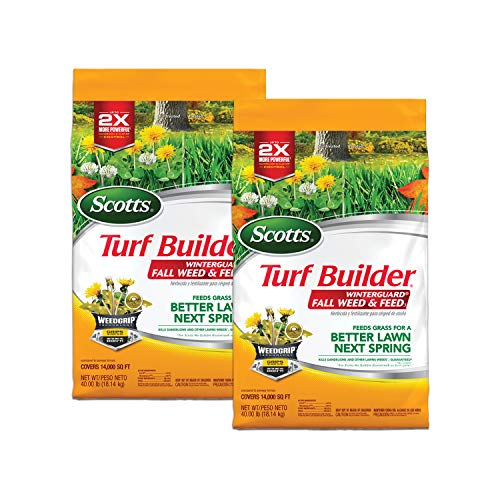
The 2-pack option provides two applications designed to cover up to 10,000 sq ft, making it a practical choice for homeowners with medium-sized yards and a desire for a planned fall regimen. This product kills over 50 listed lawn weeds and feeds grass, supporting a robust lawn entrance into winter. For St. Augustine lawns, consistent, moderate applications aligned with weather windows help stabilize color and vigor without oversupplying nutrients that could lead to growth surges in cooler weather.
The Andersons Premium Weed and Feed 24-0-16

The Andersons Premium Weed and Feed 24-0-16 targets weeds while supplying nitrogen to promote quick green up and sustained feeding. It covers up to 5,000 sq ft and is designed to control existing broadleaf weeds, including dandelions, with a formulation that supports ongoing lawn health. For St. Augustine grasses, this product can be effective when weeds are actively growing in fall and when temperatures are cooling, as it provides both weed suppression and nutrient support to the lawn.
Buying Guide: Fall Weed and Feed for St. Augustine Grass
- Weed spectrum: Look for products that target common broadleaf weeds such as clover, dandelion, plantain, chickory, and purslane. If you have specific weed concerns (e.g., creeping dotted weeds), check the label for a match.
- Rate and coverage: Match the product’s coverage area to your lawn size. For St. Augustine grass, avoid applying products labeled for very fast growth or high nitrogen on smaller patches; follow the manufacturer’s instructions for the correct rate per 1,000 sq ft.
- Temperature and timing: Fall weed and feed is most effective when weeds are actively growing and daytime temperatures stay between 60°F and 90°F. Avoid applications during extreme heat or imminent frost.
- Lawn health and species compatibility: St. Augustine lawns respond to balanced nutrients and weed suppression, but some fertilizers may be too aggressive for sensitive areas. A product with a balanced nitrogen to phosphorus to potassium ratio and slow-release nitrogen can promote steadier growth.
- Application method: Some products are granular and require watering in after application, while others work best with a light irrigation. Follow label directions to prevent lawn burn and ensure weed killer is effective.
- Big-yard convenience vs. spot treatment: Larger-volume bags are economical for big lawns but require more storage and proper handling. Smaller bags provide flexibility for patchy areas or staggered applications.
- Safety and maintenance: Keep children and pets off treated areas as directed by the label. Wear gloves and follow all safety precautions during application and cleanup.
- Seasonal strategy: Fall applications should be part of an ongoing lawn care plan that includes mowing height adjustments for St. Augustine grass, overseeding considerations where relevant, and proper irrigation practices to avoid drought stress.
- Weed vs. fertilizer emphasis: If a product emphasizes weed control more than feeding, plan subsequent spring feeding separately to maintain lawn vigor. If it is a balanced weed-and-feed product, ensure you’re not over-fertilizing during fall when growth slows.
- Environmental considerations: Use selective herbicides when possible to minimize effects on non-target plants and pollinators. Avoid applying before heavy rain that could wash away active ingredients.