Gas-powered water pumps are a practical choice for moving water from rain barrels, ponds, or pools to garden hoses and irrigation systems. This guide highlights five capable models that balance power, portability, and durability for American homeowners and hobby farmers. Each product section below includes key features and how they translate to garden use, such as transferring irrigation water, draining flooded areas, or moving water from a source to a hose for quick watering.
Summary of Selected Products
- BILT HARD Semi Trash Pump 2 Inch, 158 GPM, 7HP Gas Powered
- Aceup Energy Semi Trash Pump 2 Inch, 158 GPM, 7HP Gasoline
- JLYNOWPT 2″ 7.5HP Gas Powered Trash Water Transfer Pump
- Aceup Energy Gas Water Pump 1.5-Inch, 79 GPM
- Milzeone 1.5″ Gas Water Pump, 36.5cc, 530 ft³/h
BILT HARD 2-Inch Semi Trash Pump

The BILT HARD pump operates with a 7HP 212cc 4-cycle engine delivering up to 158 GPM, enabling fast water transfer for garden irrigation, pool draining, or removing groundwater around the yard. It includes a complete fittings package: 50 ft discharge hose, 12 ft suction hose, cam lock coupler, filter, and assorted adapters. Its EPA Phase III compliant engine supports reliable performance with low idle and oil shutoff features, making it well-suited for regular landscape maintenance and emergency drainage.
Key considerations for garden use: The 2-inch discharge accommodates standard irrigation hoses, while the 158 GPM flow helps move water quickly across moderate distances. The included hoses reduce setup time, and the EPA-compliant engine supports longer operation with a focus on fuel efficiency. Potential limitations include weight and storage size, so it is best for homeowners with space for a portable, wheeled unit or a dedicated pump area.
Aceup Energy 2-Inch Semi Trash Pump

Powered by a 7HP, 208cc gasoline engine, this pump handles up to 158 GPM with a 2-inch output. It’s designed for portable irrigation and water transfer, featuring a recoil-start engine, a 12-foot suction hose, and a 25-foot discharge hose. The unit emphasizes a rugged build with an integrated handle and base for easy hauling, plus shock-absorbing pads to reduce vibration during use.
Key garden-use insights: The 95-foot maximum head and 27-foot suction enable elevated pumping from a water source to a typical garden setup. The pump’s portability makes it suitable for temporary irrigation tasks or moving water between containers, rain barrels, and a garden hose. Users should ensure hoses and fittings are properly sealed to avoid leaks, especially in outdoor environments where dust and debris may affect performance.
HORUSDY Multi-Use Siphon Transfer Pump Kit
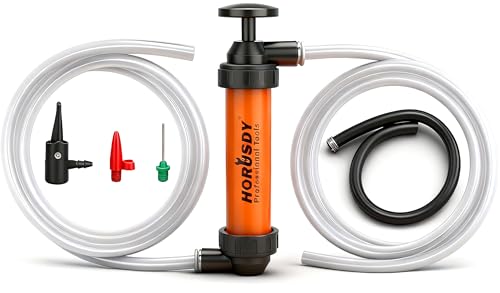
This kit focuses on manual transfer rather than a gas engine, offering two clear hoses and one air hose for versatile liquid handling. While not a primary gas-powered pump, the kit can support garden tasks that require moving water between containers or refilling irrigation tanks when a motorized pump isn’t convenient.
Notes for garden planning: Use this kit for emergency backup water transfers, refueling points near vehicles, or when you need a quick, cord-free transfer solution. Remember that manual pumping requires more effort and time for larger volumes, but it provides a simple, cost-effective option for smaller workloads or backup scenarios.
Vila Multi-use Manual Fuel Transfer Pump Kit

The Vila kit provides a comprehensive hand pump solution for transferring liquids up to 24 inches total length with a 39-inch discharge tube. It targets automotive and small-scale garden applications, offering a ready-to-use siphon for transferring gasoline, diesel, or water with minimal setup. It’s especially useful for emergency fills, rain barrel connections, or utility tasks around the yard.
Practical implications for gardens: This setup is portable and vacuum-free, making it ideal when electrical power isn’t available. It’s best for smaller volumes or quick refuels rather than continuous irrigation, due to manual operation. Ensure compatibility with the target containers and observe safe handling with fuels and oils to avoid contamination of irrigation water.
Aceup Energy 1.5-Inch Gas Water Pump

This 1.5-inch pump delivers up to 79 GPM through a compact 79.8cc engine. It’s a lightweight option at about 36 pounds, featuring a recoil start and a 25-foot discharge hose with a 10-foot suction pipe. The design prioritizes portability for garden irrigation and small jobs that require moving water from a nearby source to hoses or planters.
Garden planning notes: The smaller discharge size limits scale but favors tasks like watering raised beds or filling containers from a nearby water source. The compact form factor makes it easier to store in a shed or garage, particularly for homeowners with limited space. Check for fuel capacity and run-time if you anticipate longer irrigation sessions.
JLYNOWPT 2″ 7.5HP Trash Water Transfer Pump

This model offers up to 882.87 ft³/h with a 98.43-foot head and 22.97-foot suction height. A 7.5HP engine drives a 2-inch impeller capable of handling particles up to 1/3 inch, reducing clog risk in yard settings. The unit is designed for heavy-duty irrigation, drainage, and farmland applications, providing strong performance for larger garden tasks or temporary flood relief.
Practical uses in home landscapes: The high flow rate and strong head enable quick removal of pond water or drainage from low-lying areas. The safety of operation improves with proper debris screening and regular maintenance checks. For garden applications, ensure the vessel you pump into can handle the volume and that hoses are rated for outdoor use and compatible with the 2-inch outlet.
Buying Guide: What to Look For in a Gas Water Pump for Garden Hose Use
- Flow rate (GPM) and head: Choose a model that matches your irrigation or drainage needs. Higher GPM shifts more water, while head height matters if you’re pumping uphill or over obstacles.
- Discharge and suction hose lengths: Longer hoses expand reach in large yards or when moving water from a distant source. Ensure hoses are compatible with the pump’s fittings.
- Engine size and emissions: EPA-certified engines provide reliability and compliance. Larger engines deliver more power but consume more fuel and are heavier to transport.
- Portability and durability: Look for integrated handles, rugged bases, and vibration-reducing features for comfortable, long-term use in yard environments.
- Ease of start and maintenance: Recoil start options are common, with user-friendly maintenance for spark plugs, oil, and filters. Consider models with easy-access components for quick service.
- Included fittings and accessories: Pumps with complete fittings reduce additional purchases. Check for cam-lock connections, adapters, and sealing tape to prevent leaks.
- Fuel considerations and runtime: Longer run times help with larger projects, but plan fueling stops and storage. A larger fuel tank reduces frequent refueling.
- Safety and debris handling: Trash pumps tolerate solids better but require proper screening to prevent clogs. Use appropriate screens and strainers when pumping from dirty sources.
- Noise and smoke: Gas engines produce more noise and exhaust; consider operating times and ventilated areas to minimize disruption in residential environments.
Overall, selecting the right gas water pump for garden hose applications hinges on balancing flow, head, portability, and available space. For most homeowners, a 2-inch pump with around 150 GPM provides efficient irrigation and drainage capabilities, especially when paired with adequate hose lengths and sturdy fittings. For larger properties or frequent drainage tasks, higher-capacity models with longer run times may be preferable. Always follow safety guidelines and manufacturer instructions when operating gas-powered equipment in outdoor spaces.