Horses require sturdy, weather-resistant fencing that keeps them safe while blending with farm layouts. The following metal fencing options emphasize durability, horse safety, and straightforward installation. This guide compares five top picks to help you choose a reliable containment solution for pastures, gardens, and fields.
| Product | Brand | Mesh Size | Height | Notes |
|---|---|---|---|---|
| Galvanized 4x100ft Heavy Duty Horse Fence | Rilth | 2×4 in | 4 ft | Durable 12 gauge, corrosion resistant |
| 4x100ft Heavy Duty Horse Fence | Rilth | 2×4 in | 4 ft | New design with warning wire |
| 4ft x 100ft Galvanized Horse Fence | Rilth | 2×4 in | 4 ft | 14 gauge, versatile |
| 4x50ft Heavy Duty Horse Fence | Rilth | 2×4 in | 4 ft | New design warning wire |
| Wirewonders Cattle Panel Fencing | Wirewonders | Medium mesh | Various | DIY-friendly and versatile |
Durable Galvanized Horse Fence, 4x100ft Roll

The Galvanized 4x100ft Heavy Duty Horse Fence from Rilth uses a robust 12-gauge wire with a galvanized coating to resist corrosion in outdoor settings. Its 2×4 inch mesh balances safety and visibility, preventing hooves from snagging while maintaining clear lines for horses to see. The fence is designed to withstand impacts and maintain shape, even in high-traffic pasture areas. Installation is streamlined by a continuous 100-foot roll that can adapt to uneven terrain, making it suitable for both professionals and DIY installers.
Key features emphasize long-term performance and safety: a durable structure, rust resistance, and a mesh size that deters accidental hoof entanglement. This option is ideal for riders seeking a reliable perimeter for fields and paddocks without frequent maintenance.
4x100ft Heavy Duty Horse Fence, New Design

This 4x100ft option from Rilth updates the classic horse fence with a top red 9-gauge warning wire. The aim is to improve visibility and reduce accidental contact with the fence, potentially lowering injury risk where horses approach the boundary frequently. The 2×4 inch mesh remains a core safety feature, while the 4-foot height reinforces deterrence against climbing. The fence uses the same sturdy 12-gauge galvanized steel construction for durability and weather resistance, making it suitable for pastures, gardens, and field borders.
In practice, the new design helps keep horses safe during grazing and turnout periods, especially near gates or feeder zones where attention is highest. The combination of high-strength wire and protective finish supports long-term use with minimal sag or deformation under normal horse activity.
4ft x 100ft Galvanized Horse Fence, 14 Gauge
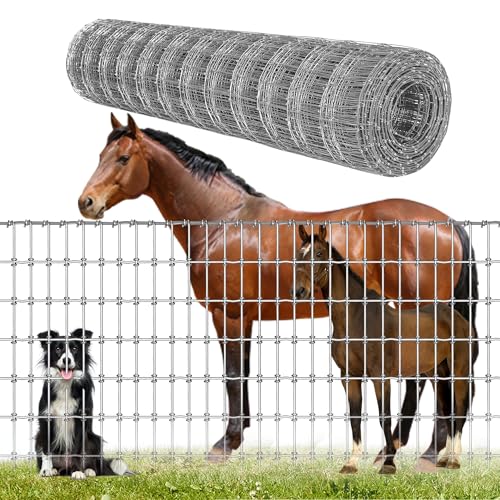
This 14-gauge galvanized horse fence prioritizes durability and weather resistance. The 2×4 inch rectangular mesh is designed to prevent hoof entanglement while delivering reliable tension across the roll. The square knots contribute to even spacing and reduce sag over time, supporting stability for long-term pasture perimeter fencing. Its versatility extends beyond horses to other livestock, including cattle or goats, when paired with compatible fencing configurations.
Maintenance is straightforward thanks to corrosion protection and sturdy connections. This option suits larger paddocks where a robust, all-weather containment solution is essential for sustained animal safety and property protection.
4x50ft Heavy Duty Horse Fence, 4ft Height
This shorter 4x50ft roll from Rilth emphasizes quick setup in tight spaces or smaller pastures. The 12-gauge wire with a galvanized coating provides strong rust resistance and a durable structure. The 2×4 inch mesh remains an important safety feature for preventing hooves from catching. The included top warning wire design mirrors the newer fence concepts, helping minimize accidental contact and ensuring the boundary is clearly visible to approaching horses.
Designed for convenience, this option is ideal for farms needing temporary or flexible fencing around feed areas, training arenas, or garden borders. Its compact length allows for easy transport and adaptation to seasonal pasture changes, while still delivering reliable containment.
Wirewonders Cattle Panel Fencing, 48in x 166ft
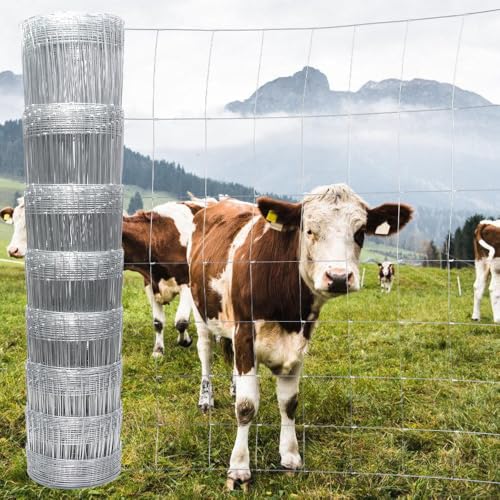
Wirewonders offers a long, heavy-duty galvanized steel panel system designed for field fencing and animal containment. With a 48×166-foot footprint, this option supports versatile deployments for horses, cattle, goats, and dogs. A stake-and-attach DIY approach simplifies installation, allowing quick adjustments to height and shape to fit uneven terrain. The panels are designed for resilience against rust and harsh weather, with smooth edges to minimize injury risk for animals. This fencing can be used as a primary boundary or as part of a broader pasture management plan.
Safety and flexibility are central. The medium mesh helps prevent larger animals from passing through while allowing good airflow and visibility for monitoring. This makes it a strong candidate for multi-species farms or properties that require adaptable fencing across different seasons.
Buying Guide: Key Considerations For Metal Horse Fencing
Choosing the right metal fencing for horses requires weighing durability, safety, and cost against the layout and needs of your property. Consider the following factors to ensure you select a fence that lasts and protects your animals.
- Material and finish: Galvanized steel resists rust in outdoor environments. A high-gauge wire plus protective coatings extend lifespan and reduce maintenance.
- Mesh size and height: A 2×4 inch mesh at 4 feet tall is a common standard that helps prevent hoof entanglement and keeps horses from stepping on the top wires.
- Security features: Some designs add a warning wire or increased visibility to reduce impact injuries and discourage leaning or climbing by horses.
- Installation approach: Roll-based fences offer quick setup and easy adaptation to uneven terrain, while modular panels can enable precise shaping of boundaries.
- Durability under weather: Look for corrosion resistance, robust knots or connections, and a design that withstands hoof impacts without sagging.
- Versatility and expansion: If you manage multiple species or seasonal shifts, choose fencing that can be easily extended or integrated with other fencing types.
- Maintenance considerations: Smooth-wire systems with protective coatings reduce snagging and simplify cleaning, helping keep fences visually clear and safe.
- Cost and labor: Assess initial costs against long-term maintenance and replacement needs. DIY-friendly designs may lower total ownership costs.
Comparative Perspectives
Durability versus ease of install: Heavier gauge fences offer longer lifespans but can require more planning and effort during setup. Lighter or medium-gauge options provide quicker deployment, especially for temporary needs, but may demand more frequent checks for sagging or wear.
Safety versus visibility: Fences with warning wires or higher-contrast elements improve visibility and reduce injuries from accidental contact. These features are particularly valuable near gates, feeders, and turnout areas where horses frequently approach the boundary.
Versatility versus specialization: A fence designed for multiple livestock types reduces the need for separate enclosures and simplifies farm management. For operations focusing primarily on horses, a dedicated horse fence with precise mesh and height specifications can maximize safety and performance.
Maintenance burden: Galvanized steel fences protect against rust, but attention to mesh integrity and knot connections remains essential. Regular inspections help catch worn areas before they become safety risks for horses.
Overall, the five products highlighted provide a spectrum of choices from long-term, high-durability fencing to flexible, DIY-friendly options. When selecting, match the fence features to your pasture layout, horse behavior, and seasonal management needs to optimize safety and longevity.