Choosing a reliable thermal blanket for a greenhouse involves balancing heat retention, weather resistance, and portability. The right blanket can help preserve warmth during cold snaps, protect delicate plants from wind, and serve as an emergency tarp when needed. Below are five top-rated options designed for outdoor resilience, water resistance, and reflective heat management. This guide pairs each product’s core strengths with practical greenhouse applications to help you decide which blanket best fits your setup.
style=”display:none;”>Summary Table: Selected Products
– Arcturus Insulated Tarp, Reusable Heavy Duty Thermal Survival Blanket – 60x82in (Olive Green): Reflects heat, waterproof, lightweight, multiple uses.
– Arcturus XL Heavy Duty Survival Blanket – 8.5 Ft x 12 Ft (Olive Green): Large footprint, reflective heat, waterproof barrier.
– Arcturus Insulated Tarp, Reusable Heavy Duty Thermal Survival Blanket – 60x82in (Black): Reflects 90% body heat, waterproof, windproof.
– BESTHUNTINER Heavy Duty Survival Blanket: Foldable, windproof, sandproof, large coverage; versatile for shelter.
– SecuCaptain Survival Emergency Thermal Blankets: 84” x 63”, space blanket kit; reinforced and tear-resistant.
Arcturus Insulated Tarp In Olive Green
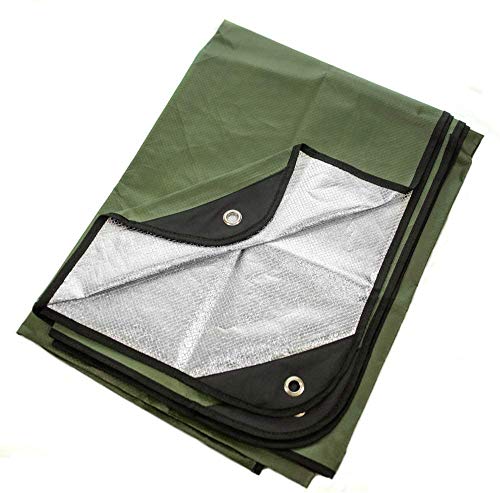
The Arcturus insulated tarp combines a Mylar reflective surface with a two-layer polypropylene core, creating a versatile barrier for greenhouse use. Its reflective side helps redirect radiant heat toward plants during cool nights, while the waterproof layer protects soil and benches from moisture infiltration. Weighing approximately 1.4 pounds, this 60×82 inch blanket is light enough for portable shading or temporary windbreaks, yet sturdy enough for repeated outdoor use. The reinforced grommets enable quick setup as a shelter or ground cover, making it suitable for emergency warmth or auxiliary heat retention inside a greenhouse when paired with a passive heating strategy.
Arcturus XL Heavy Duty Survival Blanket
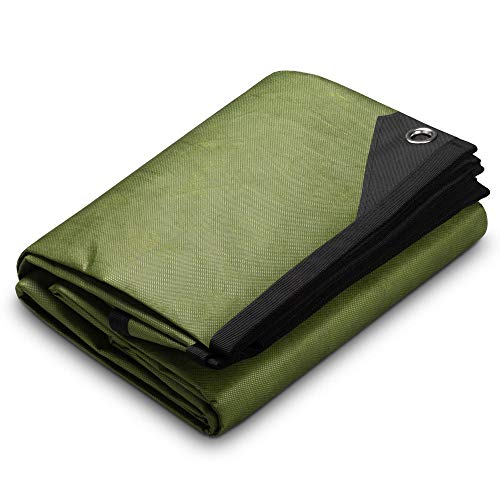
This larger 8.5 ft by 12 ft reflective tarp provides expansive coverage for greenhouse edges or larger setups. The Mylar reflective layer assists in directing warmth to plant zones, potentially lowering heating needs during cold fronts. Its dual-layer polypropylene exterior offers a waterproof barrier, while the size supports makeshift heat-retention curtains or sheltering structures around raised beds. When not used for warmth, the tarp can serve as a breathable, weather-ready ground cover during heavy rainfall or high winds. It is packable and designed for repeated outdoor deployments.
Arcturus Insulated Tarp In Black

Similar to its olive counterpart, this black insulated tarp emphasizes heat reflection and weather resistance. The Mylar reflective surface complements the polypropylene layers to create a protective barrier that can be deployed as a grow-bed cover or temporary windbreak. The black variant may blend more discreetly with greenhouse interiors while providing the same 60×82 inch footprint. Its lightweight construction and carry bag support easy relocation as you adjust microclimates around your crops.
BESTHUNTINER Heavy Duty Survival Blanket

BESTHUNTINER offers a versatile 60×83 inch emergency blanket with foldable portability and a robust build. The outer layer is designed to resist wind, rain, and abrasion, while the Mylar interior reflects up to 90% of body heat. In greenhouse scenarios, this blanket can be quickly unfurled over exposed beds to reduce nighttime temperature drops or used as a temporary shelter for hands-on repairs during off-hours. The compact carry case facilitates on-demand deployment, and the large coverage can wrap around plant clusters to minimize exposure to drafts.
SecuCaptain 25 Pack Emergency Thermal Blankets

This kit features oversized 84×63 inch Mylar blankets with reinforced, tear-resistant construction. The large surface area increases warmth retention potential for uneven greenhouse layouts or larger plant groups. The high-strength aluminized Mylar reflects heat efficiently to support passive heating strategies and rapid response during sudden cold events. The extra coverage is beneficial for wrapping plant trays or forming temporary windbreaks around delicate specimens. These durable blankets are designed for long-term emergency preparedness in outdoor environments.
Additional Product Options
- SecuCaptain Extra Large 84” x 63” Space Mylar Blanket Kit – 10 Pack: Similar design with increased bulk for wholesale greenhouse usage.
- AQHYYQKJZX 8 Pcs Emergency Mylar Thermal Blanket (Silver): Reusable, waterproof for outdoor greenhouse projects, especially for plant growth during transitions.
- RedSwing Heavy Duty Survival Blanket – Orange: Water and wind resistant, adaptable for outdoor shelters and temporary greenhouse zones.
Buying Guide: Key Purchase Considerations For Greenhouses
When selecting a thermal blanket for a greenhouse, consider heat management, durability, and practical deployment. The following factors help compare options objectively:
- Heat Retention vs. Heat Reflection: Reflective Mylar surfaces can redirect heat to plant zones, but some environments benefit from multi-layer designs that combine insulation with reflective properties. For colder climates, prioritize dual-layer constructions with a radiant barrier.
- Weatherproofing: Waterproof or water-resistant blankets protect soil, benches, and irrigation systems from moisture. A tarp-style blanket with reinforced seams and grommets facilitates secure anchoring against wind and rain.
- Size And Coverage: Larger blankets cover more area, reducing the number of layers needed. Match blanket dimensions to your greenhouse’s bed layout, pot clusters, and walkways to maximize warmth without obstructing airflow.
- Portability And Storage: Foldable, lightweight blankets are easier to deploy during sudden cold snaps or night-time chills. Carry bags and compact storage improve readiness for field adjustments.
- Durability: Reusable, tear-resistant materials extend service life. Look for reinforced seams, tear-resistant Mylar, and sturdy outer layers when planning extended use in outdoor environments.
- Versatility: Some blankets double as ground tarps, shade covers, or emergency shelters. In a greenhouse, flexibility reduces the number of separate tools needed for seasonal adjustments.
- Maintenance: Reusable blankets should withstand repeated compressions and folds. Confirm cleaning guidance to avoid degrading reflective surfaces or insulation.
How To Use Thermal Blankets In A Greenhouse
Consider these practical applications to optimize warmth and plant health:
- Evening Heat Retention: Drape blankets over plant benches or row covers during cold nights to minimize heat loss from soil and root zones.
- Weather Shield: Use blankets as temporary windbreaks or to shield drafts along greenhouse walls during cold fronts.
- Emergency Coverage: Keep an accessible kit of blankets for quick sheltering of damaged sections or to protect delicate specimens during power outages.
- During Startups: For seedlings, rely on reflective blankets to bounce limited heat toward young growth, complementing supplemental lighting or heaters.
- Reusability Strategy: Rotate blankets to extend life, washing according to manufacturer guidelines, and inspecting seams and grommets after each use.