This guide highlights top live worms ideal for backyard composting and nutrient-rich worm castings. Each option below is chosen for reliability, breeding quality, and performance in turning kitchen scraps into garden soil. Read the product details to compare diversity, growth rate, and soil benefits.
| Product | Brand | Notes |
|---|---|---|
| Uncle Jim’s Worm Farm 100 Count Red Wiggler | Uncle Jim’s Worm Farm | Red Wigglers for composting and soil improvement |
| NaturesGoodGuys Live Redworms | NaturesGoodGuys | 1,200 red wigglers for fast processing |
| Uncle Jim’s Worm Farm 100 Count Super Red European Nightcrawlers | Uncle Jim’s Worm Farm | Larger nightcrawlers for aeration and soil structure |
| Uncle Jim’s Worm Farm 250 Count Red Wiggler | Uncle Jim’s Worm Farm | Mix of red wigglers for versatile composting |
| WWJD Worms Red Wigglers | WWJD Worms | Red wrigglers for nutrient-rich compost production |
Uncle Jim’s Worm Farm 100 Count Red Wiggler

These Red Wiggler worms are harvested from long-standing worm beds with diverse earthworm species. They work across all compost layers to accelerate breakdown and generate high-quality worm castings. This diversity supports faster mixing and richer nutrient content, benefiting garden soil health. The worm castings produced are notably richer in phosphates, nitrogen, and potash. This combination supports healthier plants and improved soil biology.
NaturesGoodGuys Live Redworms Composting Red Worms
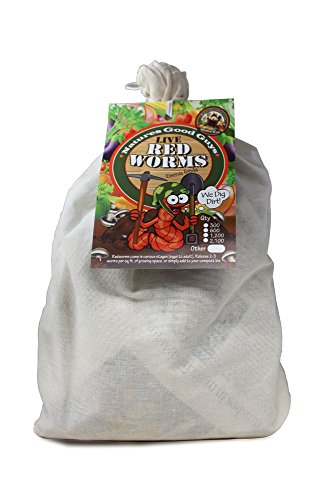
Delivering 1,200 live red worms, these Red Wigglers are positioned to turn organic waste into nutrient-rich soil quickly. They are marketed as highly efficient for composting and soil enrichment, contributing to robust worm castings that feed plants through improved soil structure and fertility. The larger quantity supports faster processing for busy compost systems and larger garden plots.
Uncle Jim’s Worm Farm 100 Count Super Red European Nightcrawlers

European Nightcrawlers are larger than typical red wigglers and are known for creating stable soil aeration tunnels. These worms improve soil structure and water movement, helping plant roots access air and nutrients more efficiently. The diversity of worm species in established beds is highlighted to support longer-term composting performance and stronger garden soils.
Uncle Jim’s Worm Farm 250 Count Red Wiggler

This larger starter pack provides a broad population of Red Wigglers to accelerate composting and soil enrichment. The worms are described as diverse and effective across multiple compost layers, producing worm castings rich in essential nutrients. They support healthier plants and quicker compost maturation, complementing a broader soil-building strategy.
WWJD Worms Red Wigglers Composting Worms 1/8lb

WWJD Worms offer red wrigglers that contribute to nutrient-rich compost production. The product emphasizes adaptability to a range of temperatures and environments, making them suitable for various climates and setups, from worm bins to larger worm farms. The worms are described as efficient for breaking down organic matter to create fertile, plant-supporting soil.
WWJD Worms Red Wigglers Composting Worms 1/2lb

Offering a larger quantity, this option supports bigger composting operations or multiple worm bins. The product highlights nutrient-rich castings and broad environmental tolerance, aiding gardeners who manage larger plots and need consistent worm production for ongoing soil enhancement.
Buying Guide: Key Purchase Considerations
When selecting live worms for composting, consider species suitability, population size, and how quickly you want to produce worm castings. Red Wigglers (Eisenia fetida) are favored for composting due to their appetite for diverse organic waste and rapid reproduction. Nightcrawlers (Lumbricus terrestris) aerate soil and improve drainage, but they may be less efficient in small compost bins. Diversity across worm types can improve decomposition rates by working in different soil layers. Population size matters for initial setup and ongoing maintenance—larger packs can jump-start rapid processing but require more space and care. Temperature tolerance and habitat requirements (bin moisture, bedding, and food scraps) influence how well worms perform in your climate. For best results, match product size to your bin capacity and your goals: faster composting in a compact setup or richer castings for soil-building in larger gardens. Consider reputable brands with documented breeding quality and clear care instructions. Finally, ensure the worms arrive alive, are shipped in healthy bedding, and come with guidance on feeding schedules and moisture management.