Winter weather can threaten tomato plants and other garden favorites. The right frost covers help retain warmth, block frost damage, and extend the growing season. Below are five reliable options designed to shield tomatoes and related crops from cold snaps, while remaining breathable enough to avoid mold or heat buildup. This guide highlights key features, sizes, and practical tips to choose the best cover for your garden bed.
| Product | Size | Material | Breathability |
|---|---|---|---|
| YFFSIDMY Plant Covers | 6.5′ x 16′ | 0.9 oz/yd² polypropylene | Breathable |
| Valibe Plant Covers | 10′ x 30′ | 0.9 oz/yd² non-woven polypropylene | Breathable |
| FARAER Plant Covers | 10′ x 33′ | 1.06 oz fabric | Breathable |
| LYDTICK Plant Covers | 4 packs, 47.2″ x 31.5″ | 2.36 oz/yd² fabric | Breathable |
| JUNKOGO Plant Covers | 7′ x 25′ | 0.9 oz/yd² non-woven | Breathable |
YFFSIDMY Plant Covers Freeze Protection

The YFFSIDMY frost cover measures 6.5 feet by 16 feet, offering a large protective area suitable for tomato rows, young transplants, and nearby crops. Constructed from UV-stabilized polypropylene, the 0.9 oz/yd² fabric balances strength with lightness, enabling easy placement and removal. The material is breathable, allowing light, air, and moisture to reach plants while still trapping warmth to fend off frost. This cover can be trimmed to fit irregular bed shapes and folded flat for storage after winter months. It provides reliable protection against low temperatures, cold winds, frost, and even light snow or sleet. It is designed to support early-season growth by maintaining a warmer microclimate around tender plants.
Key considerations include the size-to-area practicality: 104 square feet of coverage fits many home garden layouts. The frost blanket is suitable for year-to-year use and can shield young tomatoes, peppers, herbs, and seedlings. Users should secure edges with soil, stones, or hoops to prevent wind flapping. Although durable, it remains lightweight, so consistent heavy snow or strong winds may require additional staking or layering for extreme climates. Overall, it offers a solid balance of warmth, breathability, and ease of handling for winter protection.
Valibe Plant Covers Freeze Protection
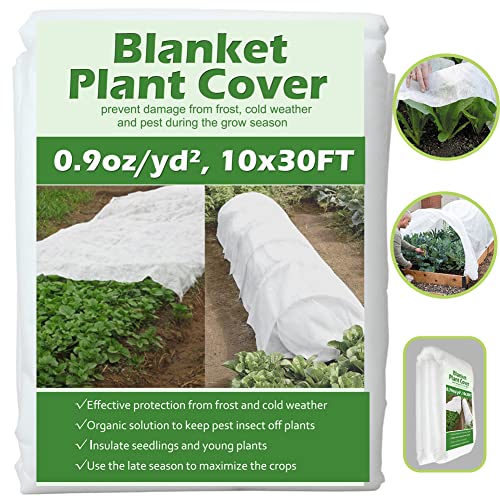
The Valibe set features a substantial 10′ x 30′ footprint, allowing gardeners to blanket large vegetable beds, shrubs, or multiple tomato plants in one go. The fabric is a 0.9 oz/sq ft non-woven polypropylene, ensuring the cover is light enough to handle yet sturdy enough to withstand winter conditions. The material remains breathable, enabling sunlight transmission while reducing frost formation. The wide coverage supports early germination and extended growing seasons by creating a warmer microclimate around protected plants. The design anticipates trimming for custom fit, and its simplicity makes it a practical choice for seasonal frost protection.
Practical usage notes include cutting the material to fit rows or beds, and using landscape pins or stones for securing edges. The fabric’s balance between light transmission and warmth is intended to maintain plant health through cold snaps while avoiding excessive heat buildup on sunny winter days. Compared with smaller covers, the Valibe option processes better coverage, enabling effective frost protection for a broader range of garden setups.
FARAER Plant Covers Freeze Protection

The FARAER cover measures 10′ x 33′ and uses a thicker 1.06 oz fabric, which contributes to enhanced warmth retention. Designed for cold weather, it protects plants down to temperatures near 38 degrees Fahrenheit and acts as a windbreak while still permitting rainfall or overhead irrigation to reach the soil. The material is UV-stabilized and reusable, supporting extended seasonal use and multiple growing cycles. This makes it a suitable choice for tomatoes, perennials, strawberries, and small fruiting plants seeking a longer growing season in late fall or early spring.
Strengths include robust winter protection, easy setup, and reusability. The sheet can be cut to fit irregular layouts and secured with landscape staples. While thicker than some alternatives, it remains breathable enough for plant health. Gardeners should monitor for heavy snow accumulation and consider additional support during extreme winter events. This option balances durability with practical sun and water permeability essential for continued plant vigor in challenging weather.
LYDTICK 4 Pack Plant Covers Freeze Protection
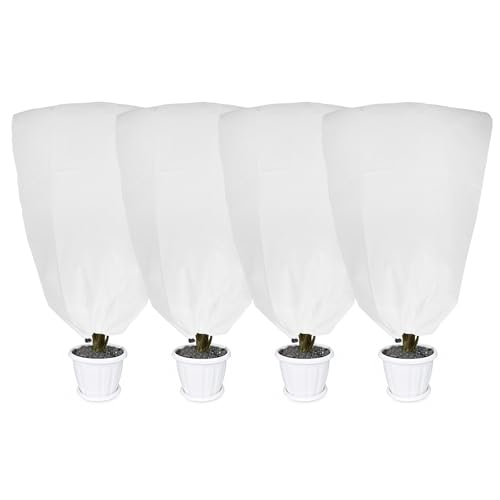
The LYDTICK set provides four panels sized at 47.2″ by 31.5″ each, designed for easy fit around individual tomato plants or small bushy shrubs. The fabric is 2.36 oz/yd², making it sturdier than lighter frost wraps while maintaining breathability. Features include a drawstring design at the bottom for a secure fit against wind, and the ability to reuse the covers across multiple seasons. The combination of weight and drawstring helps protect seedlings and transplants from frost while still allowing light and air to reach the soil.
Use cases range from single container tomatoes to wider garden rows where flexibility is needed. The covers are easy to wash and store, and they can be cut to fit if necessary. Drawstrings help with quick removal during daytime warmth. Gardeners should plan for secure anchoring in windy conditions, especially in exposed beds. Overall, LYDTICK offers a practical balance of coverage, ease of use, and durability for winter garden protection.
FARAER Plant Covers Freeze Protection (7×10)

This FARAER option offers a 7′ x 10′ rectangle that can be used as a compact or stand-alone cover for smaller plant clusters or individual tomato plants. The fabric is 1 oz, which provides warmth retention without excessive bulk. Like the larger FARAER model, it transmits about 70 percent of available light and acts as a windbreak while allowing rain and irrigation to reach the soil. It is reusable and designed for winter protection against frost, snow, and cold winds, while also serving as a sun and pest barrier in different seasons. The smaller footprint makes it easy to manage and store in compact spaces.
Consider this option if you have limited bed space or rely on quick deployment. The material supports both new transplants and established plants during cold spells. Secure with stakes or stones to keep it in place during windy periods. It integrates well with other larger row covers for layered protection in challenging climates.
JUNKOGO Plant Freeze Protection

The JUNKOGO frost cloth offers a 7′ x 25′ footprint, providing extensive coverage for long tomato rows or larger garden setups. Made from 0.9 oz/sq non-woven fabric, it balances light transmission with warmth retention. The cover functions as a floating row cover, shielding the garden from frost, wind, and light snow while allowing air, moisture, and sunlight to reach the soil. It is designed for reusability and can be cut to fit irregular shapes or wrapped around trees and shrubs. Use it with ground stakes or hoops for extended protection in windy areas.
Important considerations include the need for secure anchoring to prevent movement in winter winds and compatibility with drip irrigation or overhead watering. The material’s breathability helps avoid excessive humidity around plant foliage, reducing the risk of mold. Overall, JUNKOGO provides a versatile, durable option suitable for a wide range of frost-protection applications in home gardens.
Buying Guide: Key Purchase Considerations
- Size and coverage: Choose a size that fits your bed dimensions, tomato rows, or container arrangements. Larger covers reduce the need for frequent repositioning but may be harder to store.
- Material and weight: Materials around 0.9 oz/yd² to 1.06 oz/yd² balance warmth retention with breathability. Heavier fabrics provide more insulation but can limit light transmission.
- Breathability: Look for breathable non-woven polypropylene fabrics to avoid moisture buildup and fungal growth while protecting against frost.
- Durability and reuse: UV stabilization and thicker fabrics improve longevity across seasons. Reusable covers are cost-effective and align with sustainable gardening practices.
- Ease of use: Drawstrings, edge securing options, and cut-to-fit capabilities simplify deployment and storage.
- Protection scope: Some covers protect against frost only, while others shield from wind, hail, and pests. Consider your climate and pest pressures when choosing.
- Storage: Foldable designs that store flat without much space are ideal for small sheds or garages.
- Compatibility with irrigation: If you rely on overhead watering, ensure the fabric permits water flow to soil and roots.
- Durability against snow: In heavy snow areas, layering or staking may be necessary to prevent sagging or tearing.
When selecting a frost cover, assess your typical winter temperatures, the maturity stage of your tomato plants, and how quickly you need to deploy or remove protection. A mix of larger covers for rows and smaller sheets for individual plants often provides the best balance of protection, flexibility, and ease of storage for a American backyard garden.