Healthy, vibrant flower beds start with the right fertilizer. This guide highlights five highly effective options that cater to a range of bed styles, from container perennials to in-ground flower borders. Each product listed below is suitable for most flowering plants and helps promote stronger roots, better color, and longer bloom cycles. Read on to compare feeding methods, longevity, and application tips to find the best match for your garden.
Summary of chosen products:
| Product | Brand | Feeding Type | Application | Notes |
|---|---|---|---|---|
| Shake ‘N Feed All Purpose Plant Food | Miracle-Gro | Water-soluble granules | Container & in-ground | Up to 3 months of feeding |
| Bloom Booster Flower Food | Miracle-Gro | Water-soluble | In-ground & containers | Promotes more blooms |
| Osmocote Smart-Release | Osmocote | Slow-release granules | Soil mix | Long-lasting, steady feeding |
| Water Soluble Bloom Booster | Miracle-Gro | Water-soluble | In-ground & containers | Instant color boost |
| Scotts Rose & Bloom | Scotts | Continuous release | Soil | Feeds up to 2 months |
Miracle-Gro Shake ‘N Feed All Purpose Plant Food
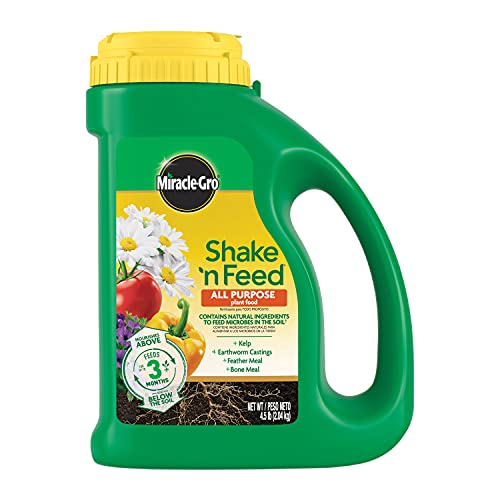
Shake ‘N Feed is a time-saving option designed for both in-ground and container plants. It feeds above and below the soil, promoting overall growth with a steady release mechanism. The granular formula is easy to apply without mixing, making it a convenient choice for busy gardeners who want visible improvements without frequent reapplication.
Miracle-Gro Bloom Booster Water Soluble Plant Food

Bloom Booster is formulated to promote more color and larger blooms. Designed for annuals and perennials, this water-soluble option can be reapplied every 7–14 days to keep flowers vibrant throughout the growing season. Suitable for both garden beds and container plantings, it supports a broad range of flowering species.
Osmocote Smart-Release Flower & Vegetable
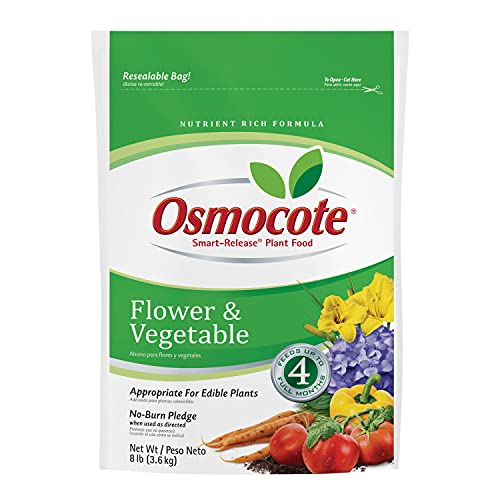
This is a classic slow-release option, providing a balanced 14-14-14 NPK pattern. It’s ideal for seasonal vegetables and perennials, with an applicator included. Follow the 1 lb covers about 40 sq ft guideline and mix into the topsoil for sustained nourishment that supports both root development and top growth over several months.
Scotts Super Bloom Water Soluble Plant Food
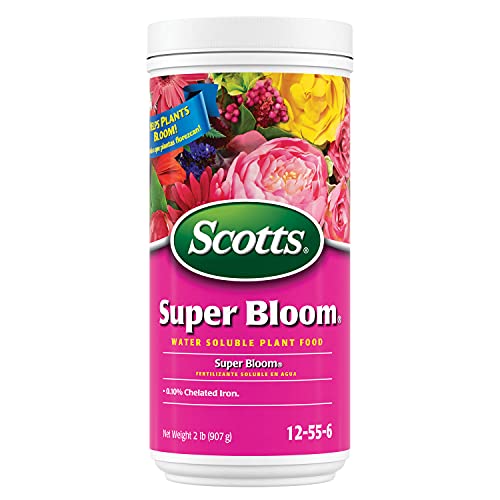
Specially formulated with high phosphorus, this product is designed to boost flowering performance. It feeds instantly when mixed with water, making it a practical option for bed borders that require quick color enhancements. Use on flowering annuals, perennials, and container plants to encourage robust blooms and longer-lasting color.
Scotts Rose & Bloom Continuous Release Plant Food

This continuous-release formula is tailored to roses and other flowering plants, delivering steady nourishment to promote consistent bloom production. The product feeds for up to two months, reducing the frequency of applications while supporting healthy plant structure and vibrant blossoms in flower beds and garden borders.
Buying Guide: Key Purchase Considerations For Flower Beds
When choosing a fertilizer for flower beds, consider the plant types, soil conditions, and how you prefer to feed. Here are essential factors to weigh:
- Feeding duration: Decide if you want quick-acting water-soluble options for seasonal color or slow-release formulas for steady, longer-lasting nutrition.
- NPK ratio: Flowering plants typically benefit from higher phosphorus (middle number) to promote blooms, but balanced NPK can support overall vigor as well.
- Soil preparation: Some products require mixing into soil before planting, while others spread on the surface. Adjust your method to your bed design.
- Container vs. in-ground: Container plants may need more frequent feeding due to limited soil volume; in-ground beds often benefit from longer-release formulations tied to seasonal cycles.
- Application safety: Follow label directions to avoid fertilizer burn and ensure even distribution. Watering before or after application may affect effectiveness depending on the product.
- Environmental impact: Opt for products with slow-release technologies if you’re concerned about leaching and soil health over the season.
- Maintenance schedule: For border beds, plan a feeding cadence aligned with bloom cycles—early spring for root establishment, late spring for flowering, and mid-summer for peak color, adjusting for irrigation and rainfall.
In practice, gardeners often combine products to cover different needs—using a base slow-release option for long-term nutrition and a periodic bloom booster to maximize color during peak seasons. For beds with roses or perennial borders, consider a continuous-release formula to minimize maintenance while keeping plants fed. For rapid color bursts, a water-soluble bloom booster can provide an immediate effect after planting or after a cutback.