Selecting a reliable nutrient meter is critical for hydroponic success. The following five meters offer multi-parameter measurements (pH, EC, TDS, and temperature) to help you monitor nutrient solutions, base water, and reservoir conditions. Each model is well-suited for hydroponics setups such as DWC, NFT, and aeroponics, with easy calibration and rapid readings to support steady plant growth.
| Product | Brand | Key Features |
|---|---|---|
| pH Meter for Hydroponics PPM EC Meter | YINMIK | 4-in-1: pH, EC, TDS, temperature; calibrated out of box; long immersion probe |
| Digital pH Tester for Water, 4-in-1 Meter | GIDIGI | Simultaneous pH, TDS/EC, temperature; ATC; broad ranges |
| VIVOSUN Digital pH and TDS Meter Kits | VIVOSUN | 3-in-1: pH, TDS, temperature; UL certified; wide ranges |
| EZTOCH Hydroponic pH EC Meter | EZTOCH | 4-in-1: pH, EC, TDS, temperature; simultaneous readouts; lock function |
| pH Meter for Hydroponic Water, 4 in 1 | GIDIGI | Simultaneous pH, EC/PPM, temperature; ATC; multi-unit scales |
YINMIK PH EC TDS 4-in-1 Hydroponics Meter

The YINMIK 4-in-1 meter provides quick access to temperature, pH, and EC readings for hydroponic nutrient solutions. It features an extended stainless steel electrode for fast response and automatic temperature compensation to maintain accuracy across temperatures. The device ships with calibration solutions for immediate use, ensuring you can verify pH and EC immediately after unboxing. It is designed for long immersion in reservoirs or tubing without removal, suitable for continuous monitoring in DWC, aero setups, and home gardens.
GIDIGI Digital 4-in-1 pH, EC, TDS, Temp Meter

This digital meter from GIDIGI combines pH, TDS (ppm), EC, and temperature in a single instrument. It supports a wide pH range and high EC/ppm ranges, making it versatile for hydroponic reservoirs, aquariums, and drinking water testing. Automatic temperature compensation helps stabilize readings across varying water temperatures, and the display allows simultaneous monitoring of pH and ppm, enabling timely nutrient adjustments for healthy root development and plant growth.
VIVOSUN 3-in-1 pH, TDS, Temperature Meter

VIVOSUN’s meter is a three-parameter tester designed for hydroponics, pools, and aquariums. It measures pH, TDS, and temperature with a reliable readout and a compact form factor. Its accuracy is suitable for routine monitoring of nutrient solutions, helping growers keep pH within optimal ranges and prevent nutrient deficiencies or toxicities caused by improper solution strength.
YINMIK EC PPM Nutrient Meter Wand
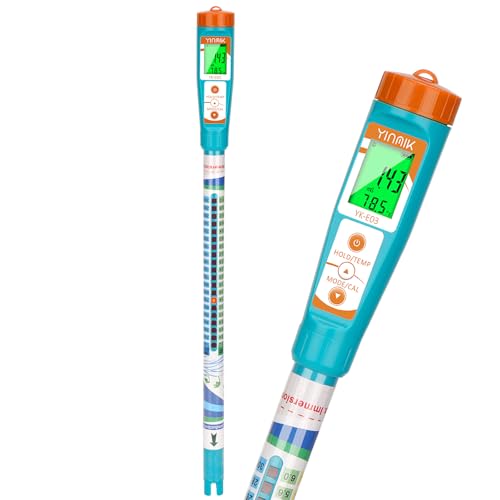
This YINMIK wand-style meter emphasizes on-the-spot EC and PPM readings with an extra-long 35 cm stick for easy access to nutrient reservoirs. It offers multiple scales (PPM 500/700, EC, CF) and a wide temperature range. This makes it a practical tool for on-the-spot checks and reservoir adjustments in advanced hydroponic systems, allowing precise balancing of nutrients across growth stages.
EZTOCH Hydroponic pH EC Meter

EZTOCH’s 4-in-1 meter displays pH, EC, TDS, and temperature simultaneously, with an easy lock function to preserve readings. It supports base water testing and nutrient solution monitoring, making it suitable for reservoir setups in DWC or NFT systems. The device emphasizes practical, beginner-friendly operation with robust on-device measurement readings across multiple parameters.
GIDIGI 4-in-1 pH, EC, PPM, Temp Meter

This GIDIGI model pairs pH with EC/PPM and temperature, offering multiple measurement modes to meet various hydroponic needs. Automatic temperature compensation helps ensure readings stay accurate as temperatures shift in grow rooms. It is positioned as a versatile 4-in-1 solution for monitoring feed strength, pH stabilization, and environmental conditions critical to plant uptake and growth cycles.
CIZTADA 4-in-1 pH EC TDS Temp Meter

The CIZTADA meter combines pH, EC, TDS, and temperature with a focus on hydroponics. It supports different scales for PPM and EC, aiding precise nutrient balancing. The device is designed for use in hydroponic reservoirs, aquaponics, and DWC, with guidance on typical plant pH preferences and EC targets to help growers maintain stable systems across growth phases.
Buying Guide
Key purchase considerations
- Multi-parameter coverage: Look for meters that measure pH, EC, TDS/PPM, and temperature to minimize device clutter and simplify monitoring.
- Calibration and accuracy: Consider models that ship with calibration solutions and offer automatic temperature compensation for consistent results across temperatures.
- Ease of use: Features such as simultaneous readings, a clear display, lock function, and durable probes improve day-to-day operation in busy grow environments.
- Probe durability and immersion: For reservoir testing, choose meters with robust, easily replaceable probes and good immersion depth to withstand frequent use.
- Application range: Ensure the meter supports hydroponic specifics (nutrient solution ranges, base water testing, and common growth-stage targets) and is suitable for DWC, NFT, and aeroponics systems.
Comparative perspectives
- All-in-one convenience: The 4-in-1 designs minimize the need for separate meters, saving space and reducing setup complexity in home or small commercial gardens.
- Calibration readiness: Devices that include ready-to-use calibration solutions are advantageous for quick deployment and maintaining accuracy without extra purchases.
- Readability and data handling: Clear digital displays with fast response times help growers react swiftly to fluctuations in pH or nutrient concentration, while some meters offer temperature compensation for different environments.
- Budget and value: While higher-precision meters may cost more, the value of consistent readings across multiple parameters can justify the investment for stable yields and reduced crop risk.
- Maintenance considerations: Some meters require regular calibration and probe maintenance, so factor in replacement probes and customer support when choosing a model.
Note: Prices are not included in this article. When comparing options, verify calibration solutions, temperature compensation, and probe durability to determine which meter best fits your hydroponic setup and crop profiles. The models listed above cover a spectrum from beginner-friendly to more advanced configurations, enabling growers to select based on required precision, system complexity, and maintenance preferences.