Rabbit-safe grazing indoors starts with choosing the right grass seeds. The following selections are arranged to help rabbit owners find quick-growing, nutritious greens that are easy to cultivate at home. Each option is suitable for small- to medium-sized setups and supports rabbit digestion, dental wear, and enrichment. Below, you’ll find a concise summary table, followed by detailed product sections to help you compare germination times, growth habits, and suitability for your pet’s needs.
| Product | Brand | Growing Style | Ideal For |
|---|---|---|---|
| Climax Timothy Grass Seeds | Seeds2Go | Cool-season bunchgrass; perennial | Rabbits, guinea pigs; pasture rotation and hay production |
| Amturf Green Feast Forage Mix | Amturf | Multigrain forage mix with grass and mulch | Backyard greens for small livestock and pets |
| Organic Cat Grass Seeds | Handy Pantry | Organic Triticum aestivum (wheatgrass) | Indoor growing for cats, dogs, rabbits |
| Back to The Roots Wheatgrass Seeds | Back to the Roots | Wheatgrass for indoor cat grass planter | Indoor pets and juicing greens |
| Crafted-Brand Simple Cat Grass Blend | Crafted-Brand | 4-seed blend (wheat, barley, oats, rye) | Indoor cat grass; general pet grazing |
Climax Timothy Grass Seeds for Rabbits

Timothy grass is a classic choice for small herbivores. This perennial cool-season bunchgrass grows to 2–3 feet tall and forms large clumps, making it suitable for rotational grazing or hay production in home settings. It tolerates shade and thrives under partial shade with cooler, wetter conditions. For rabbits, Timothy grass delivers a fibrous, digestible forage that supports dental wear and gut health. Plant in well-drained soil and provide consistent moisture for steady growth throughout the growing season.
Key points: long-standing forage option; soil stabilization potential; good partial shade tolerance; suitable for mixed households that include other small pets. To maximize benefits, combine with a balanced pellet diet and fresh greens. Seeds can be used to establish a secure patch or container garden indoors or outdoors, depending on climate and space.
Amturf Green Feast Forage Mix

This forage mix combines multigrain seeds with grasses and mulch to deliver a diverse salad for backyard chickens and small pets, including rabbits. Although marketed for poultry, the mix is suitable for indoor greens production as a fast-growing source of fresh greens. The bag is designed for quick results—sprouted or cut greens can be ready in about a week—making it an appealing option for owners who want rapid enrichment and variety in their rabbit’s diet. Ensure consistent moisture and monitor growth to prevent mold in indoor setups.
Considerations: high yield potential, quick harvest, and a broad mix mean you’ll want to manage height and moisture in indoor containers. Use as part of a rotating grazing plan to keep foraging interesting and nutritionally varied for rabbits.
Organic Cat Grass Seeds

These certified organic and non-GMO wheatgrass seeds are marketed for indoor growing and are safe for cats, dogs, and rabbits. They germinate quickly and are easy to grow in trays with soil or coconut coir. The product supports digestion and hairball reduction, offering a clean, pesticide-free option for indoor pets. Soak for 6–8 hours, sprout, and harvest in 7–10 days. This flexibility makes it a popular choice for small apartments seeking fresh greens with minimal effort.
Growing tips: provide bright light, proper drainage, and harvest before grasses reach excessive height to maintain tenderness. Pair with a rotating selection of greens to diversify fiber sources in your rabbit’s diet.
Dandelion And Wheatgrass Cat Grass Mix

This versatile mix blends dandelion and wheatgrass for indoor cat grass, bearded dragons, tortoises, guinea pigs, rabbits, and other small pets. It provides a vitamin-rich, natural grazing option that supports digestion and general well-being. The seeds sprout in about 7–14 days with regular watering and sunlight. The blend’s diversity helps reduce monotony in a rabbit’s diet while delivering essential nutrients through a convenient indoor-growing project.
Best practices: store seeds in a cool, dry place. Use a shallow tray or planter with a well-draining medium to prevent soggy roots. Regularly rotate greens to maintain interest and balance in fiber intake.
Crafted-Brand Simple Cat Grass Blend
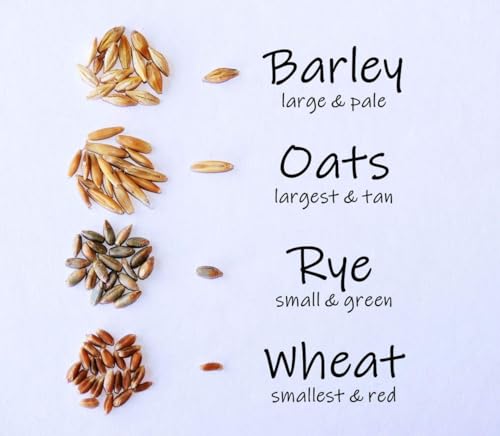
This 6-ounce blend includes four popular seeds—wheat, barley, oats, and rye—crafted for indoor cats and other pets. The product emphasizes organic, non-GMO, and pesticide-free ingredients, making it a convenient way to provide a breath of outdoor grass flavor indoors. The seed mix is designed for quick results, with simple instructions that help owners achieve fast, healthy growth without specialized equipment. It’s a straightforward option for households prioritizing natural and safe grazing options.
Growing guidance: follow the included instructions, monitor moisture, and harvest when grasses are tender. Using a shallow tray will help keep plants compact and easy to manage in small living spaces.
Buying Guide: Key Considerations For Rabbit Grass Seed
- Germination and growth rate: Fast-growing mixes provide immediate enrichment, while Timothy-based options tend to be steady, long-term forage.
- Nutritional balance: Fibrous greens support dental wear and gut health. Combine grasses with a varied diet, including hay, pellets, and fresh greens.
- Indoor suitability: For apartments, select seeds that germinate quickly and thrive in containers with good drainage and adequate light.
- Seed quality and safety: Choose organic or non-GMO sources when possible to minimize chemical exposure. Avoid blends with unknown additives.
- Allergen and species considerations: While many seed blends are marketed for pets, ensure the mix aligns with your rabbit’s dietary needs and any other pets sharing the space.
- Growing medium and care: Use trays with a light soil or coir medium, maintain consistent moisture without overwatering, and ensure adequate light leadership for robust growth.
- Maintenance and storage: Store seeds in a cool, dry place. Rehydrate seeds properly before planting and rotate greens to prevent monotony in the rabbit’s diet.
- Space and equipment: Plan for containers or small beds; consider a dedicated grazing corner to minimize mold and water damage in living areas.
- Safety and sanitation: Regularly clean containers to prevent mold and pests. Avoid chemical treatments that could harm pets.
Different perspectives emphasize quick harvest versus long-term forage, indoor practicality, and nutrition diversity. A balanced approach combines a fast-growing option for instant enrichment with a reliable Timothy-based or wheatgrass seed for ongoing forage. Always monitor your rabbit’s preferences and digestive responses when introducing new greens.