Blue jays love whole peanuts in the shell, and a sturdy feeder that keeps kernels dry and accessible can make a big difference in birdwatching success. This guide highlights five top peanut feeders that attract blue jays while withstanding outdoor conditions. Each option emphasizes easy refills, durability, and proper nut handling for wildlife.
Overview at a glance:
| Product | Brand | Key Feature | Capacity |
|---|---|---|---|
| Songbird Essentials Whole Peanut Wreath | Songbird Essentials | Shell-accessible, visible, unsalted peanuts | Whole peanuts |
| DutchCrafters Hanging Whole Peanut Feeder (Green/Cedar) | DutchCrafters | Sturdy poly construction, large perch | Up to 6 cups |
| DutchCrafters Hanging Whole Peanut Feeder (Black/Weatherwood) | DutchCrafters | Same large-capacity design, easy roof access | Up to 6 cups |
| Nature’s Way Cobalt Mesh Seed & Peanut Feeder | Nature’s Way | Easy-Cling 360° mesh, easy to clean | 2-quart capacity |
| Birds Choice Whole Peanut Feeder | Birds Choice | Large acrylic panels with easy fill | 1.2 lbs |
Songbird Essentials Whole Peanut Wreath Feeder

The Songbird Essentials Whole Peanut Wreath feeder provides a circular design that holds whole in-shell peanuts, allowing blue jays and other large birds to pluck nuts directly from the shell. It is black in color, blending with many backyard landscapes, and specifically accommodates unsalted peanuts for wildlife. The wreath design helps deter squirrels while offering easy access for jays and other sizable visitors. Its practical mounting and simple loading process make it a staple for year-round nut feeding.
Key details from the listing emphasize that this feeder is designed to allow birds and squirrels to retrieve whole peanuts in-shells without specialized hardware. The wreath format provides multiple feeding points, and the unsalted peanut guidance supports wildlife health. The overall performance targets both visibility and accessibility, helping blue jays quickly locate a reliable food source.
DutchCrafters Plastic Hanging Whole Peanut Feeder (Green & Cedar)

This large peanut feeder is built for bigger birds such as blue jays, woodpeckers, and crows. Its 8 1/4″ L x 6 1/4″ W x 12 1/4″ H dimensions and 1″ square mesh create a spacious feeding area while keeping peanuts contained. The model notes a capacity of up to 6 cups of whole in-shell peanuts, with a practical recommendation to refill about every three days to prevent moisture-induced spoilage. An easy-open roof, a stainless steel hanging cable, and a broad perch enhance usability and bird comfort.
The design accommodates whole peanuts that are unsalted and free of seasoning, ensuring suitability for wildlife. The unit’s durability and straightforward maintenance align with long-term outdoor use, offering reliable blue jay feeding even in variable weather conditions.
DutchCrafters Hanging Whole Peanut Feeder (Black & Weatherwood)

This variant mirrors the green Cedar model in dimensions and capacity, designed for large birds that enjoy whole peanuts in the shell. The weatherwood finish offers a distinct look while maintaining the same practical features: an easy-open roof for quick refills, a stainless steel hanging cable, and a sizable perch for birds to land and manipulate nuts. The feeding system is optimized for unsalted, bird-safe peanuts and emphasizes routine maintenance to keep shells dry and fresh.
Birds such as blue jays and woodpeckers benefit from the large access points and stable construction. The emphasis on simple cleaning and refilling supports consistent use through changing seasons, creating a dependable peanut source for local avifauna.
Nature’s Way Cobalt Mesh Mixed Seed And Peanut Feeder

This metal tube feeder uses an easy-cling mesh design to attract clinging birds, including blue jays, with a mix of seeds and peanuts. The 2-quart capacity provides a practical amount of food to support consistent visits from blue jays while minimizing waste. The feeder’s removable parts enable straightforward cleaning and refilling, reducing the chance of mold or spoilage. Drainage and seed-tray features help maintain seed quality during wet conditions, contributing to a stable feeding station for peanut lovers as well as other backyard birds.
The combination of seeds and peanuts appeals to a broader audience of songbirds, yet its sturdy construction and drain-friendly design make it a reliable choice for outdoor settings where blue jays are active. The cobalt color also adds a decorative accent to outdoor spaces while serving a functional purpose.
Songbird Essentials Whole Peanut Red Wreath Feeder

The red variant of the wreath feeder enhances visibility for backyard birds and observers alike. It holds unsalted, whole peanuts in their shells, offering multiple feeding points for blue jays and other large species. The wreath construction mirrors the black version in purpose—easy access, wildlife-safe nuts, and a design that helps reduce pest pressure. The bold color can act as a clear beacon in diverse landscapes, which is advantageous for locating a reliable food source during busy feeding times.
Design notes emphasize that jays and squirrels can both access the nuts, so selecting unsalted peanuts is important to maintain wildlife health. The wreath format continues to deliver a convenient, low-maintenance feeding solution that blends with various yard aesthetics.
Birds Choice Whole Peanut Feeder
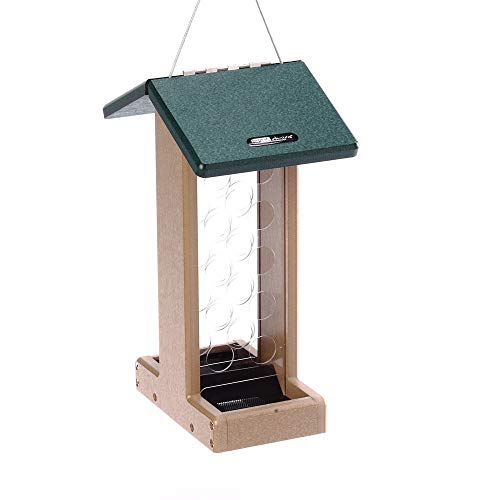
This Birds Choice feeder is crafted from recycled poly-lumber, offering durability with moisture resistance and weather longevity. The design features large holes in thick acrylic panels to facilitate quick extraction of whole shell peanuts by jays and other large birds. A hinged roof makes refills straightforward, while the feeder’s capacity holds about 1.2 pounds of nuts. The combination of eco-friendly materials and user-friendly design aligns with modern outdoor décor and provides a dependable feeding station for blue jays, especially during peak nut seasons.
The use of recycled materials supports sustainability goals, and the rugged build reduces maintenance needs. The ample perch and clear feeding ports help minimize nut spillage and encourage efficient feeding for blue jays and other visitors.
Buying Guide: Key Considerations For Peanut Feeders
When choosing a peanut feeder for blue jays, consider these factors to optimize attraction and durability:
- Nut type and freshness: Use unsalted, in-shell peanuts to meet wildlife-safety guidelines and preserve nut quality in varying weather.
- Feeder design: Look for large perches, easy-refill roofs, and accessible feeding ports that suit blue jays and other large birds without encouraging excessive squirrel activity.
- Material and durability: Plastic-poly construction and metal mesh can withstand sun, rain, and wind; consider anti-rust finishes for year-round use.
- Capacity and refill frequency: Higher capacity reduces maintenance but ensure the nuts won’t spoil due to moisture; aim for a balance that suits your local weather and yard traffic.
- Maintenance: Removable parts for cleaning and simple disassembly help maintain seed and nut quality. Easy cleaning reduces mold and pests.
- Visibility and placement: Colored wreaths or bright feeders can attract jays from across the yard; place feeders where you can observe without disturbing birds.
- Wildlife interaction: Squirrel deterrents (such as cage designs or weight-activated mechanisms) can protect the feeding area while still providing access for blue jays.
Comparative considerations for different setups:
- Decor and aesthetics: Wreath feeders (red or black) offer visual appeal and quick recognition, while traditional hanging feeders emphasize practicality and clean lines.
- Climate suitability: Mesh and metal designs handle rain better; enclosed roofs help protect peanuts from moisture in humid regions.
- Maintenance workload: Models with fewer parts and straightforward cleaning cycles reduce ongoing care time for busy households.
- Local jay behavior: In areas with frequent jay activity, a large-capacity feeder with easy access points and stable construction will maximize visits and minimize refilling interruptions.