Organic sulfur is a versatile soil amendment that helps lower pH, boost nutrient availability, and support robust flowering and fruiting. This guide reviews five highly relevant sulfur products to help American gardeners choose options that align with organic practices and plant health. Each product list highlights key benefits, application notes, and how sulfur fits into a balanced soil strategy.
| Product | Brand | Key Benefit |
|---|---|---|
| True Organic Prilled Sulfur | True Organic | Lowers soil pH; promotes healthy growth |
| Dusting Wettable Sulfur Powder | IMUSTGARDEN | Natural, organic soil conditioner; safe for wildlife |
| Organic Sulfur Powder Fertilizer (3 lb) | Greenway Biotech | High-purity elemental sulfur; corrects pH |
| Espoma Organic Soil Acidifier (6 lb) | Espoma | Elemental sulfur-based acidifier; hydrangea blueing |
| Sulfur Powder Fertilizer, 90% Purity (8 oz) | Gardenwise | Premium sulfur powder; easy soil acidification |
True Organic Prilled Sulfur

Promotes healthy growth across flowers, vegetables, herbs, and foliage. This prilled sulfur helps reduce soil pH naturally, enhancing micronutrient availability for better plant health and yields. It is especially useful for acid-loving crops and for gardeners aiming to optimize flowering and fruiting by creating the right soil environment.
Dusting Wettable Sulfur Powder

Natural and organic, this sulfur powder serves as a soil acidifier and conditioner commonly used in organic farming. It is safe for flowers, vegetables, fruit trees, shrubs, and most houseplants, and environmentally friendly, supporting soil health without harming wildlife or pollinators when used as directed.
Greenway Biotech Organic Sulfur Powder (3 lb)

High-purity elemental sulfur powder designed to lower soil pH and address sulfur deficiencies. The product is positioned as a comprehensive nutrient source, with emphasis on microbial conversion in soil to sulfate forms. It supports protein formation and overall plant growth, particularly where acidifying amendments are beneficial.
Gardenwise 90% Purity Sulfur Powder (8 oz)
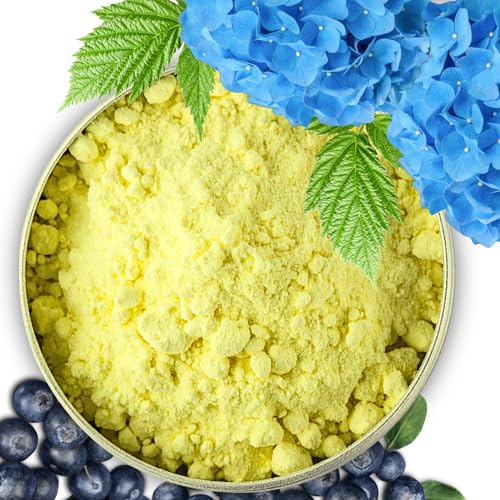
This finely ground, high-purity elemental sulfur powder is designed for easy mixing and effective soil acidification. It supports acid-loving plants such as blueberries and hydrangeas, and can be applied directly to soil or dissolved for foliar use, offering flexible application for diverse garden setups.
Espoma Organic Soil Acidifier
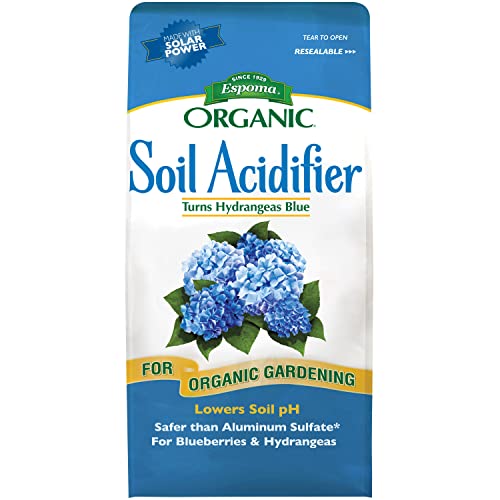
Contains elemental sulfur and gypsum to lower soil pH and support acid-loving plants. It is widely used for hydrangea color adjustments and general soil acidification in organic garden beds, lawns, and containers, aligning with organic gardening practices and slower, steady pH management.
Perfect Plants Organic Soil Acidifier (2 Qt)

Sulfur-based plant food that transforms soil acidity to support hydrangea color changes and general agricultural performance for fruits, vegetables, and flowering plants. It helps maintain balanced soil chemistry and improves root and flower development by creating favorable conditions for nutrient uptake.
Buying Guide: Key Purchase Considerations For Organic Sulfur
- Purity and form: Elemental sulfur powders and prilled sulfur offer different dissolution rates. Higher purity (near 90-99%) typically provides more consistent results but may require soil biology to convert to sulfate for plant uptake.
- Application goals: Use sulfur to lower pH for acid-loving plants (blueberries, hydrangeas, azaleas) or to address sulfur deficiencies in the soil. Consider whether you’ll apply directly to soil or as a foliar spray.
- Soil biology interactions: Elemental sulfur relies on soil microorganisms to convert to sulfate. In soils with limited microbial activity, adjust strategies or combine with organic matter to support microbial processes.
- Target plants and climate: Hydrangeas and blueberries often benefit from careful pH management. Hot climates and heavy rainfall can influence sulfur’s effectiveness and timing of applications.
- Safety and compatibility: Choose products that are safe for wildlife and pollinators when used as directed. For organic gardens, verify certifications and labeling for organic production.
- Water management: Some sulfur products can affect soil texture and moisture retention. Pair sulfur with appropriate irrigation to avoid salt buildup or nutrient imbalances.
- Storage and handling: Keep sulfur products in a cool, dry place away from moisture. Use protective gear as recommended on labels to avoid inhalation or skin contact.
- Combination use: If using multiple soil amendments, stagger applications to prevent pH swings and nutrient lockout. Coordinate with lime or other pH modifiers based on soil test results.