Shade-filled corners can become vibrant retreats with the right selection of perennial ferns. This guide highlights five dependable, low-maintenance options that thrive under trees, along borders, or in container gardens where sunlight is limited. Each choice offers steady growth, attractive foliage, and enduring performance across temperate climates. Explore these selections to add texture, color, and a touch of woodland charm to your shade garden.
| Product | Brand | Key Benefit |
|---|---|---|
| Autumn Fern Plants Live Outdoor Plants | Plants for Pets | Popular edging and border fern |
| Japanese Painted Fern + Athyrium Niponicum | Greenwood Nursery | Colorful, variegated fronds |
| Sprengeri Fern | Tropical Plants of Florida | Elegant cascading foliage for shade |
| Dryopteris Erythrosora ‘Brilliance’ | Perennial Farm Marketplace | Copper-colored young fronds |
| Polystichum Polyblepharum (Tassel) | Perennial Farm Marketplace | Dark evergreen, glossy fronds |
| Ostrich Fern + Matteuccia Struthiopteris | Greenwood Nursery | Large, vase-shaped fronds, bold presence |
Autumn Fern Plants Live Outdoor Plants
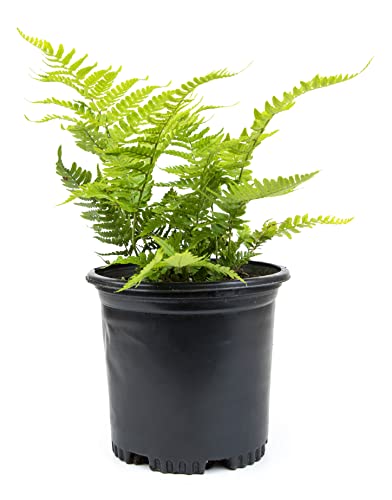
Autumn fern is a staple for shade borders and edging, ideal for ground cover and planters. The plant ships in a 1-gallon nursery pot and offers rapid foliage development for immediate impact in garden borders or along pathways. Its hardy nature supports year-round greenery in temperate climates, making it a versatile option for patios, privacy walls, and decorative hedges.
Japanese Painted Fern + Athyrium Niponicum
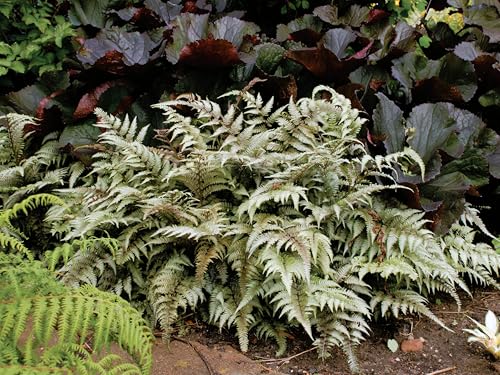
Japanese Painted Fern is among the more colorful low-growing ferns, featuring silver and burgundy shades that brighten shade gardens and woodland containers. Hardy across much of the United States, it thrives in partial to full shade, and forms slow-spreading clumps ideal for borders, streamsides, or under deciduous trees.
Sprengeri Fern – Live Asparagus Fern

Sprengeri Fern offers cascading, delicate fronds suited for hanging baskets, planters, or shaded beds. It prefers dappled to moderate shade and can adapt to brighter spots, making it a versatile choice for balconies and indoor spaces or protected patios in USDA Zones 9–11.
Dryopteris Erythrosora ‘Brilliance’ (Autumn)

Known for copper-colored young fronds that mature to dark green, this autumn fern adds seasonal color to open or dappled shade areas. It performs well in soils with high organic matter and is best spaced about 18 inches apart to allow for healthy clump development in borders or under trees.
Polystichum Polyblepharum (Tassel)

Polystichum Polyblepharum, or Tassel Fern, thrives in full to partial shade and offers a robust evergreen look with glossy, dark fronds. Its compact rosette form makes it an attractive ground cover or feature plant in shaded rock gardens and woodland borders, with a recommended spacing of about 18 inches.
Ostrich Fern + Matteuccia Struthiopteris

Ostrich Fern is renowned for its large, vase-shaped fronds that create bold focal points in shade gardens or boggy areas. This selection tends to be vigorous and fast-growing, so consider spacing and containment if planted near other plants. It adapts to partial to full shade and tolerates moist soils well, making it a strong addition to woodland-inspired landscapes.
Buying Guide: Key Considerations For Shade-Fern Purchases
- Light requirements: Most shade-friendly ferns prefer partial to full shade. Confirm your site’s light levels and select varieties that tolerate the available light, especially if you have morning sun or reflected light from a wall or fence.
- Soil and moisture: Ferns generally thrive in rich, well-drained soil with consistent moisture. Enrich beds with organic matter and mulch to conserve moisture while avoiding waterlogged conditions.
- Hardiness and climate: Check USDA hardiness zones for each fern. Some species are more tolerant of cold or heat, while others prefer cooler, moist environments.
- Growth habit and spacing: Consider mature height and spread to avoid crowding. Provide ample space for clumps to expand, especially for fast-growing varieties like Ostrich Fern.
- Container suitability: Many ferns do well in shaded containers. Ensure potting mix remains evenly moist and that the container provides adequate drainage.
- Aesthetic considerations: Foliage color ranges from deep greens to copper tones and variegation. Mix textures and colors to create depth in borders and shady beds.
- Maintenance and care: Most ferns require minimal pruning beyond removing dead fronds. Some varieties benefit from light fertilization in spring and periodic division to maintain vigor.
- Pest and disease resistance: Ferns are generally resilient but monitor for typical issues like scale, mealybugs, or root rot in overly wet soils.
In choosing among these options, align plant characteristics with your site conditions, aesthetic goals, and maintenance preferences. A mix of evergreen fronds, copper-tinted new growth, and colorful variegation can create a dynamic, year-round shade garden that remains low-maintenance while delivering ongoing visual interest.
Additional Resources and Considerations
- Propagation and division tips for established ferns to maintain vigor
- Seasonal color shifts in Autumn Fern and Tassel Fern varieties
- Compatibility with companion shade perennials and ground covers