Whether you’re a first-time composter or a seasoned vermicomposter, choosing the right worms and a reliable bin helps turn kitchen waste into nutrient-rich soil faster. The following picks focus on ease of use, odor control, and durable construction, tailored for American homes and gardens. This guide highlights five strong options that support effective composting with red wigglers and compatible bins. Read on to compare features, setup, and performance across popular models.
| Product | |||
|---|---|---|---|
| The Original Vermihut Plus 5 Tray | Worm bin | 5 trays (expandable) | Air-flow optimization with M-board and V-board for odor control |
| TOP XIAN 2-Pack Inground | In-ground worm bin | 8L capacity per unit | Underground setup for odor-free composting |
| Uncle Jim’s Worm Farm 100 Count Red Wiggler | Worm starter pack | 100 worms | Diverse, multi-layer digestion for quick castings |
Product selection notes: All options support kitchen waste like fruit scraps and vegetable peels, with varying bin designs for indoor or outdoor use. Consider capacity relative to your household, odor management features, ease of assembly, and whether you prefer surface or in-ground setups. The worms listed are common red wigglers used for efficient vermicomposting, though actual worm strains may vary by supplier.
VermiHut Original Plus 5 Tray Worm Bin

The VermiHut Plus is positioned as the original design for vermicomposting and includes a standard five-tray setup with options to add extra trays. This model integrates the M-board to improve air-flow, enhancing compost efficiency and worm safety, plus a V-board and coconut-fiber addition in the air-vented lid for odor and moisture control. It’s designed for both indoor and outdoor use, emphasizing a sustainable approach to kitchen waste recycling.
TOP XIAN 2-Pack Inground Worm Bin

This option emphasizes in-ground composting. You bury the bin in soil, feed it with kitchen scraps, paper, and leaves, and in 2-3 months, worms produce nitrogen-rich compost. The durable PP construction and compact size (10.8 by 9.5 by 9.5 inches, 8L) make it suitable for small yards or balcony gardens. A removable lid and 360° ventilation promote safe, odor-free operation with straightforward use—no complex assembly required.
Uncle Jim’s Worm Farm Red Wiggler Starter Pack

This starter pack provides 100 Red Wiggler worms, favored for vermicomposting due to their ability to work through multiple compost layers. The description highlights the worms’ diverse conditioning and their capacity to enhance soil structure and nutrient content via worm castings. The product stresses the benefits of castings—richer phosphates, nitrogen, and potash—to support healthier plant growth in gardens and lawns.
Urban Worm Bag Version 2
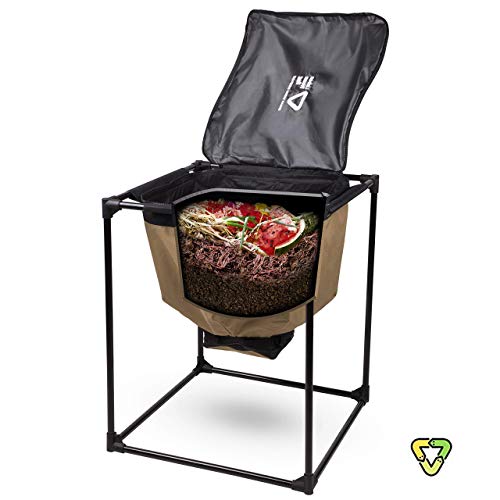
Urban Worm Bag Version 2 features a zipper-free bottom design, focusing on user-friendly harvest. A top feed-through and bottom castings collection streamline the process, with a durable 900D Oxford fabric that allows moisture management by keeping the unit open or closed as needed. The design minimizes assembly and simplifies worm movement while maintaining a spacious composting area.
Blütezeit 5-Tray Worm Bin

The Blütezeit 5-Tray Worm Bin offers rapid vermicomposting with a five-tray design that supports efficient breakdown of organic waste. Constructed from PP material, it emphasizes durability and simple stacking for both beginners and experienced users. Each tray includes ventilation holes to improve airflow and odor control, supporting a clean and orderly composting process.
TOP XIAN 5-Layer Worm Bin

This 5-layer worm bin holds up to 85 liters and includes a faucet for easy fertilizer collection. The unit emphasizes efficient decomposition through increased surface area and stacked trays, with removable trays for easy access to castings. It’s designed for both indoor and outdoor use and accommodates a broad range of kitchen waste, tea leaves, coffee grounds, and more to support a robust vermicomposting workflow.
Buying Guide: How To Choose The Right Worm Bin And Worms
- Space and placement: Indoor apartments may require compact or vertical, odor-controlled bins; outdoor setups need weather-resistant materials and ventilation.
- Capacity and growth: Match bin capacity to waste output and planned worm population. Consider bins that scale with extra trays or larger volumes.
- Airflow and moisture: Effective airflow reduces odor and speeds composting. Moisture management features (vents, moisture-control components, lids) help prevent soggy bedding.
- Ease of harvesting: Some designs simplify removing finished compost or collecting castings—consider bins with bottom collection or easy tray removal.
- Worm compatibility: Red wigglers are common for kitchen waste; ensure the bin supports appropriate worm densities and feeding zones.
- Durability and materials: Look for sturdy plastics or fabrics with UV resistance for long-term use and minimal maintenance.
- Maintenance needs: Choose bins that minimize messy handling, offer odor control, and provide clear feeding guidelines for consistent results.
- Price-to-performance: Compare features like additional airflow boards, lid designs, and included accessories against your budget and goals.
Across these options, consider whether you prefer an above-ground tray system for easy access and harvest, or an in-ground design for minimal odor and a discreet setup. For households with limited space or balcony gardens, compact multi-tray bins can maximize output, while larger models with built-in faucets simplify fertilizer collection for ongoing gardening needs.