Choosing the right fertilizer can boost blooms, color, and overall plant health for hydrangeas and roses alike. This guide highlights five proven options to fuel flowering shrubs and perennial favorites. Each product supports robust root growth, vibrant foliage, and plentiful blossoms, with a focus on organic and synthetic blends that suit different gardening preferences.
| Product | Brand | Type | Key Benefit |
|---|---|---|---|
| Miracle-Gro Water Soluble Bloom Booster | Miracle-Gro | Water-soluble plant food | Instant feeding and more blooms |
| Jobe’s Organics Granular Rose Fertilizer | Jobe’s Organics | Granular organic fertilizer | OMRI-listed, reduces runoff, 3-4-3 NPK |
| Scotts Rose & Bloom Continuous Release Plant Food | Scotts | Granular, time-release | Feeds up to 2 months, steady bloom support |
| Espoma Organic Rose-Tone | Espoma | Organic fertilizer | Bio-tone enhanced, 4-3-2, calcium |
| BioAdvanced All-In-One Rose and Flower Care | BioAdvanced | Granular fertilizer with protection | Promotes roots, blooms, and pest/disease protection |
The selections cover a range of approaches—from quick-acting water-soluble formulas to slow-release granules and fully organic blends—so you can tailor feeding to your hydrangeas and roses’ specific needs. Below is a closer look at each product, with practical guidance on usage and suitability for common planting setups.
Miracle-Gro Water Soluble Bloom Booster

Miracle-Gro Bloom Booster is a soluble formula designed to spur more blossoms and richer color on flowering plants, including roses and hydrangeas. The product advertises instant feeding that can be reapplied every 7–14 days, making it a convenient option for containers or in-ground beds with continuous bloom cycles. It supports a wide range of flowering perennials and annuals, helping plants deliver vibrant display periods.
Usage considerations include dissolving the powder in water as directed, ensuring even distribution in the soil or container mix, and reapplying in short intervals during peak flowering. This option is well-suited for gardeners who want quick results and a straightforward feeding routine without deep soil preparation.
Jobe’s Organics Granular Rose Fertilizer

This organic granular fertilizer is designed with a 3-4-3 NPK ratio, supporting blooms while maintaining soil health. It comes in a 4-pound bag and emphasizes reduced runoff, mess, and odor, making it suitable for both garden beds and larger shrubs. OMRI-listed, it aligns with organic gardening standards and aims to nourish roses, hydrangeas, hibiscus, azaleas, and other flowering shrubs with natural nutrients.
Application typically involves spreading the granules around the drip line of plants and watering in thoroughly. It’s especially appropriate for gardeners seeking an organic option that minimizes chemical inputs while delivering steady nutrition for vibrant flowering cycles.
Scotts Rose & Bloom Continuous Release Plant Food

Scotts Rose & Bloom is a time-release fertilizer designed to feed roses and other flowering plants over an extended period. It promotes steady growth and blooms, with a feeding cycle that can extend up to two months. The product is designed to support both new plantings and established roses, helping maintain consistent flowering throughout the growing season.
For best results, apply as directed around the drip line, and avoid over-fertilizing which can lead to excessive foliage with fewer blossoms. This option is ideal for gardeners who want a low-maintenance feeding schedule with predictable bloom timing.
Espoma Organic Rose-Tone
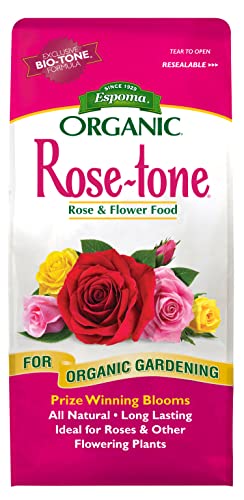
Espoma Rose-Tone is an organic fertilizer tailored for roses and other flowering plants, incorporating Bio-tone beneficial microbes for soil health. Its 4-3-2 formulation includes calcium, supporting sturdy stems and robust growth. The product is marketed as easy to use—monthly applications during the growing season, without mixing required—and is noted for being environmentally friendly with no sludges or toxic additives.
Rose-Tone is particularly well-suited for gardeners who prioritize organic inputs and soil biology. It blends readily into soil around the drip line and pairs well with mulching strategies to conserve moisture and improve nutrient uptake.
BioAdvanced All-In-One Rose And Flower Care
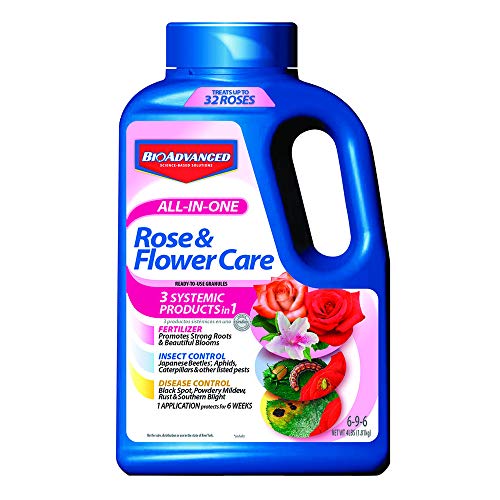
BioAdvanced All-In-One Rose and Flower Care combines fertilization with pest and disease protection. The granules promote strong root development and robust blooms on roses and other flowering plants, while helping shield against common pests such as adelgids, aphids and whiteflies, and diseases like black spot and powdery mildew. This approach can reduce the need for separate fertilizer and protective treatments in a balanced garden routine.
As with any combination product, it’s important to follow label directions for application rates and safety. This option suits gardeners seeking a comprehensive solution that covers nutrition and protection in a single product, especially in areas prone to rose-focused pests and fungal issues.
Buying Guide: Key Purchase Considerations
When selecting a fertilizer for hydrangeas and roses, consider the following factors:
- NPK balance: Different plants benefit from varying nitrogen, phosphorus, and potassium ratios. Hydrangeas often favor balanced or slightly lower nitrogen during bloom phases, while roses thrive with steady support for flowering and foliage.
- Release type: Choose water-soluble formulas for rapid feeding and quick results, or time-release/granular options for ongoing nourishment with less frequent application.
- Organic vs. synthetic: Organic blends improve soil health over time and are compatible with organic gardening, though they may work more slowly. Synthetic blends provide faster results and precise nutrient ratios.
- Soil health: Organic products with beneficial microbes (like Bio-tone) or compost-friendly options can improve long-term soil structure and microbial activity.
- Watering needs: Some products require thorough watering after application to prevent root burn and ensure nutrient distribution; others are designed for minimal disturbance in container plantings.
- Container vs. in-ground: Containers often need more frequent feeding due to faster nutrient depletion, while in-ground beds may benefit from slow-release formulas aligned with seasonal growth.
- Pest and disease considerations: If pests or fungal diseases are a concern, integrated options with protective effects can streamline care, but always follow label guidance to avoid overuse.
- Environmental impact: Opt for products labeled as low-runoff and compliant with organic certification if minimizing environmental impact is a priority.
In practice, many gardeners choose a primary fertilizer based on preferred approach (organic vs. synthetic) and then supplement with a quick-acting feeding during peak blooming. For hydrangeas alongside roses, a combination strategy—organic base with occasional soluble boosters during active flowering—can help balance soil health with vibrant, long-lasting blooms.