Choosing the right organic compost can improve soil structure, nutrient availability, and moisture retention for vegetables, flowers, and container plants. The following selections are among the most relevant options for American gardeners seeking natural, OMRI-listed, or plant-based amendments. Below, you’ll find concise product insights, practical usage tips, and a buyer’s guide to help compare nutrient content, odor, and suitability for indoor or outdoor setups.
| Product | Brand | Key Benefit |
|---|---|---|
| R&M Organics Premium Organic Compost | R&M Organics | All-purpose, nutrient-dense, low odor |
| Jobe’s Organics Fast Acting Compost Starter | Jobe’s Organics | Speeds up composting; OMRI listed |
| Old Potters Organic Compost | Old Potters | Plant-based, improves soil aeration and water retention |
| Charlie’s Compost | Charlie’s Compost | Odor-free; supports seed starting and healthy soil |
| Brut Cow Compost | BRUT WORM FARMS | Nutrient-rich cow manure; no additives, odor control |
id=”r-m-organics-premium-organic-compost”>R&M Organics Premium Organic Compost
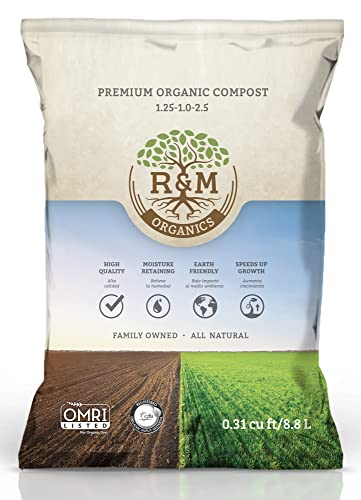
R&M Organics Premium Organic Compost is crafted from 100% dairy cow manure and marketed as an all-purpose soil amendment. It aims to replenish soils depleted by harvests, delivering a nutrient-rich baseline suitable for fruits, vegetables, flowers, lawns, and trees. The product emphasizes a light, quarter-inch application to the base of existing beds or containers, with the option to adjust for new plantings. Its processing includes aeration to minimize bacteria buildup and weed seed presence, producing an earthy aroma ideal for indoor use. Intended benefits include improved soil texture, nutrient availability, and plant vigor.
id=”jobes-organics-fast-acting-compost-starter”>Jobe’s Organics Fast Acting Compost Starter

Jobe’s Organics offers a quick-start option for outdoor compost piles with a balanced NPK formulation of 4-4-2. The product is designed to accelerate decomposition without introducing synthetic chemicals and is OMRI-listed for organic gardening by the USDA. It’s suitable for home composting projects that aim to produce richer compost more rapidly, helping to feed vegetables, plants, and flowering species as they mature. The starter helps establish microbial activity while maintaining an organic approach to soil enhancement.
id=”old-potters-organic-compost”>Old Potters Organic Compost

Old Potters Organic Compost is a plant-based potting soil alternative designed to boost soil aeration, water retention, and nutrient availability. This 100% organic, chemical-free blend emphasizes safe use across various garden settings, including indoor containers and outdoor beds. By recycling organic materials into rich compost, it supports soil health while remaining suitable for a wide range of plant types. It’s positioned as an eco-friendly option for sustainable gardening practices.
id=”charlies-compost”>Charlie’s Compost

Charlie’s Compost is marketed as an odor-free organic fertilizer suitable for home gardens, raised beds, containers, and seed starting mixes. It emphasizes soil enrichment through enriched nutrients and improved soil structure, making it a versatile soil conditioner for both indoor and outdoor settings. The product highlights its low-odor profile, appealing to urban gardeners who need a cleaner and more manageable compost option in compact spaces. It also notes the microbial benefits that support quicker matter breakdown in compost systems.
id=”brut-cow-compost”>Brut Cow Compost

Brut Cow Compost offers nutrient-rich compost derived from cow manure, emphasizing a pure, additive-free profile. The product highlights include nitrogen, calcium, and iron to support bigger vegetables, greener lawns, and thriving flowers. It is described as finely sifted for easy handling and versatile use in both indoor and outdoor gardening. The compost is presented as odor-controlled and safe for a variety of plants, aiming to minimize the risk of plant burn while delivering robust soil health improvements.
id=”buying-guide”>Buying Guide: Key Purchase Considerations
Choosing the right organic compost depends on your garden type, location, and maintenance routine. Consider these factors:
- Source and certifications: Look for 100% organic materials, OMRI listings, and absence of synthetic additives. This is important for edible gardens and organic setups.
- Nutrient profile: Some products are richer in nitrogen for leafy growth, while others focus on balanced nutrition for fruits and flowers. Identify your target crops and growth stage.
- Texture and particle size: Fine-textured blends are easier to mix into pots and seed starting mixes, while coarser blends may improve aeration in beds.
- Odor: If you garden indoors or in compact spaces, odor control matters. Odor-free formulations are preferable in apartments and shared areas.
- Application rate: Many products recommend light layers (e.g., quarter-inch) or specific mixing ratios. Follow label directions to avoid over-fertilizing.
- Usage versatility: Some composts double as soil amendments for containers, lawns, and garden beds, while others are specialized for composting accelerants or seed starting.
- Safety and soil biology: Consider microbial content and whether the product supports beneficial soil organisms that improve nutrient cycling.
Comparative considerations
- All-purpose composts like R&M Organics provide broad benefits, suitable for mixed plantings and lawn top-dressing.
- Compost starters, such as Jobe’s Organics, are best for jump-starting new piles and accelerating decomposition, especially outdoors.
- Plant-based blends (Old Potters, Charlie’s Compost) often emphasize aeration and odor control, helpful for containers and indoor gardens.
- Manure-derived options (Brut Cow Compost) tend to be nutrient-dense but may require monitoring for odor and burn risk on sensitive plants.
By aligning product attributes with garden goals—whether growing tomatoes in containers, feeding a lush lawn, or boosting seed-starting success—consumers can select an organic compost that supports soil health while meeting practical needs such as odor control and ease of use. Always read product labels, confirm certifications, and consider local soil conditions to maximize the long-term benefits of your compost choice.