For horse owners, a reliable solar-powered fence charger helps protect pastures, deter predators, and keep horses safely contained. The right device must balance energy, portability, and weather resilience while delivering consistent performance day and night. Below, five top-rated solar fence chargers tailored for horses are highlighted, each with a quick summary and practical buying tips to help you compare options with confidence.
| Product | Brand | Approx. Range | Key Benefit | Power Source |
|---|---|---|---|---|
| 10 Miles Solar Electric Fence Charger with Day/Night Mode | ANDMON | Up to 10 miles | Day/Night mode for efficient energy use | Solar panel + GEL battery |
| ANDMON MINI400 30 Miles Solar Fence Charger | ANDMON | Up to 30 miles | Long-range performance for larger pastures | Solar panel + internal battery |
| Gallagher S30 Solar Electric Fence Charger | Gallagher | 4–20 miles (typical) | Rugged, portable and reliable | Solar power with lithium battery |
| 10 Miles Solar Electric Fence Charger (PLOWIC) | PLOWIC | Up to 10 miles | Ultra-portable with day/night mode | Solar panel + lithium battery |
| Gallagher S20 Solar Electric Fence Charger | Gallagher | Up to 2 miles | Efficient lithium battery + smart energy control | Solar-powered lithium battery |
Note: The product details here reflect the features and specifications as listed by the manufacturers. Availability and performance can vary by fencing type, wire layout, and local conditions. The following sections present each option with a concise overview, direct product links, and practical insights for horse fencing applications.
ANDMON 10 Miles Solar Fence Charger

Powered by a compact solar setup, this energizer is designed for strip grazing and portable use. It can energize up to 2 miles of fencing or be extended in practical pasture layouts with modular deployment. The built-in GEL battery and high-quality solar panel aim to deliver reliable performance even under low light. The device emphasizes a balance of portability and dependable daily output, making it suitable for seasonal or remote pasturing where horses are rotated across fields.
S1000 1 Joule Solar Fence Charger

This model claims robust performance with a large coverage capacity and simple installation. Its portability is paired with a sealed lead-acid battery and a solar panel, making it a practical choice for users who need a dependable range across multiple pastures. The device is described as suitable for various livestock setups, including horses, with a focus on reliability during rotational grazing and remote operations.
ANDMON MINI400 30 Miles Solar Fence Charger
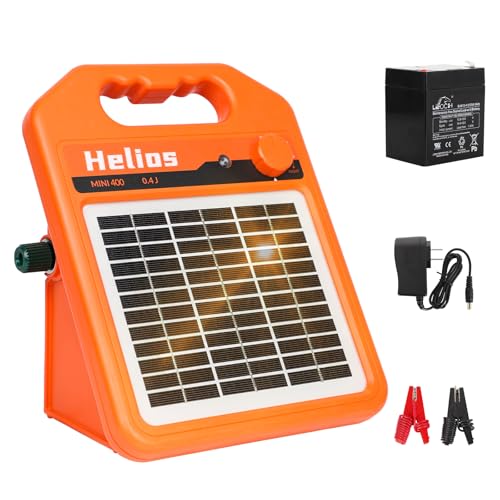
This high-range option powers up to 30 miles of fencing and uses a day/night mode to optimize energy use. It integrates a 18.5V solar panel and a 12V battery system designed for longer operating periods without sun. The MINI400 is positioned as easy to install and compatible with common post types, expanding flexibility for larger horse pastures and rotational systems where extended coverage matters.
10 Miles Solar Fence Charger by PLOWIC

The PLOWIC model emphasizes portability and a rugged design for remote or moving fencing needs. It uses a 5W solar panel and a 10,400mAh lithium battery to provide 24/7 protection with a claimed 10 miles of coverage and an 8KV output. It is described as suitable for strip grazing, pet enclosures, and small to mid-sized horse pastures where simple installation and reliable day/night operation are valued.
Gallagher S20 Solar Electric Fence Charger

The S20 model switches to lithium battery technology for faster recharge and longer hold capacity, delivering up to 2 miles in typical use and a robust energy profile suitable for smaller pastures or paddocks. It’s designed for mobility and ease of use, with a compact form factor and an efficient solar panel system to ensure consistent fence power across all weather conditions, including variable sunlight availability.
Buying Guide: Key Purchase Considerations And Comparisons
When selecting a solar fence charger for horses, consider the following factors to ensure you pick a model that fits your pasture layout, horse safety needs, and climate. This guide highlights performance, installation, durability, and maintenance perspectives from multiple angles.
- Coverage And Output: Match the range and joule output to your pasture size and fencing type. Larger pastures and multiple-wire configurations usually require higher range units, while small paddocks can be well-served by compact models with adequate voltage.
- Power Source And Battery: Solar panel wattage, battery type (lithium vs GEL/lead-acid), and charge efficiency determine reliability during cloudy days and winter. Lithium batteries generally offer faster recharge and longer life but can cost more upfront.
- Night/Day Modes: Devices with adaptive modes can conserve energy while maintaining protection. Day/night pulses help extend battery life, especially in shaded or northern regions with shorter daylight hours.
- Portability And Installation: If you rotate horses between pastures or repair fenced areas often, lightweight, portable units with simple mounting on steel posts are advantageous. Look for models with easy-to-follow installation guidelines and compatible mounting hardware.
- Durability And Weather Resistance: Weatherproof enclosures, UV resistance, and temperature tolerance (often down to -20°C or higher) matter for longevity in different climates and seasons.
- Maintenance And Availability: Consider ease of battery replacement, panel cleaning, and vendor support. Reputable brands with widely available replacement parts can reduce long-term maintenance hassles.
- Compatibility With Fence Type: Ensure compatibility with your fencing layout (single strand, high-tension wire, or poultry netting). Some energizers are optimized for specific configurations and may perform differently with various wire types.
- Cost Of Ownership: While initial price varies, estimate total cost of ownership by considering battery life, replacement panels, warranty terms, and expected energy consumption in your pasture’s climate.
In practice, for larger horse pastures, a higher-mileage charger with a robust day/night mode and a durable battery assembly offers meaningful advantages. For smaller paddocks, compact models with smart energy management can provide reliable protection without unnecessary power draw. Always verify that the charger’s output voltage aligns with your fence’s wire gauge and total impedance to prevent underpowered or unsafe fencing.