Crushed clam and oyster shells offer a natural, decorative, and functional option for landscaping. They improve soil conditioning, help manage pH in certain environments, and provide a bright, coastal aesthetic for garden beds, pathways, and containers. This guide highlights five popular options and how they can be used in American landscapes for drainage, calcium enrichment, and visual appeal.
| Product | Brand | Approx. Size / Form | Primary Use |
|---|---|---|---|
| DVZN Aquatics Crushed Oyster Shells | DVZN Aquatics | One Pound bag, food-grade, kiln-dried | Soil amendment, aquarium-safe substrate, garden soil enhancer |
| PEPPERLONELY Tiger Clam Sea Shells | PEPPERLONELY | 2-1/4″ to 3″ shells, quantity 10 | Decorative shell accents for borders and beds |
| 5 Pounds All Natural Crushed Oyster Shells | Garden Naturals | 5 lb bag | Calcium enrichment, soil conditioner for planting |
| Worlds White Clam Cay Cay Sea Shells | Worlds | 8 oz, roughly 330 pieces | Decorative mulch and accent for borders or pots |
| LUCKY BABY Crushed Shells for Crafts | LUCKY BABY | About 21 oz, small crushed pieces | Vase fillers and decorative ground cover |
DVZN Aquatics Crushed Oyster Shells
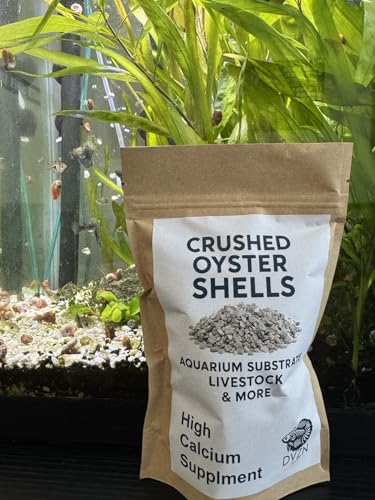
DVZN Aquatics offers a resealable, moisture-proof pouch with 100% natural, sustainably sourced shells. The product is heat-sterilized and free of additives or dyes, making it suitable for use around fish, shrimp, reptiles, and organic gardens. The slow-release carbonate in the shell material helps stabilize hard-water environments and can support calcium-dependent organisms in a garden setting. This makes it a practical option for soil amendments and as a calcium source for gardeners seeking an all-natural mulch alternative.
PEPPERLONELY Tiger Clam Seashells

This pack features ten large tiger clam shells ranging from about 2-1/4″ to 3″ in diameter, with color variations from soft yellows to pinks and whites. While primarily decorative, these shells can be used as striking edging accents or focal points in garden beds, rock gardens, and landscape borders. Their bold shapes add texture and a coastal vibe to outdoor spaces, particularly when used in clusters or as standalone features along walkways.
5 Pounds All Natural Crushed Oyster Shells

Five pounds of oyster shell crushed into a consistent substrate provide a robust calcium source for soil and potted plants. The product is marketed as natural and scent-free, suitable for soil conditioning and improving structure in garden beds. It can also be incorporated into compost blends to boost mineral content, making it a versatile option for vegetable and ornamental gardens alike. For pathways or decorative beds, its light color helps brighten shaded areas and reduces weed visibility.
Worlds White Clam Cay Cay Sea Shells
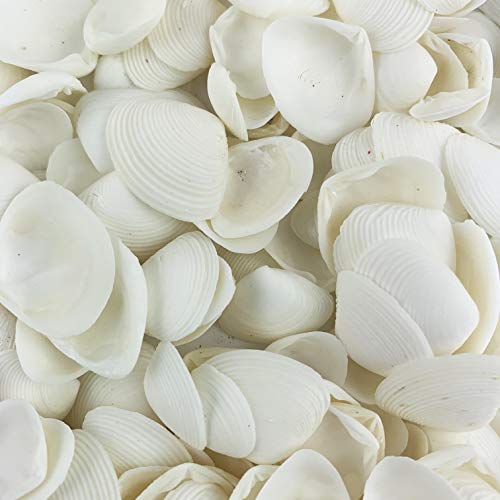
This product offers small, uniform white clam cay shells in an eight-ounce bag, suitable for decorative ground coverings in borders and containers. The compact size makes them easy to spread evenly in garden beds, windbreaks, or around features where a clean, bright look is desired. They can also be used in path edging or as filler in planters to enhance color contrast against darker soils or mulch.
LUCKY BABY Crushed Shells for Crafts

These natural, small crushed shells provide a versatile decorative option for vase fillers, craft projects, and DIY garden accents. Their gentle texture makes them suitable for use in terrariums, blue-green garden borders, or as a bright, reflective mulch alternative that catches light in sunlight. They work well in wedding arrangements or outdoor events as well as everyday home décor accents in landscape beds.
Buying Guide
Key considerations when selecting crushed shells for landscaping include texture, size, mineral content, and intended use. Gardening and soil health goals influence choice:
- Calcium Content: Oyster and clam shells supply calcium carbonate, which benefits soil structure and plant health. For edible gardens, a steady calcium source supports fruiting and shell formation in poultry and gardens alike.
- Texture and Color: Larger, decorative shells create focal points and borders, while smaller, white shells brighten beds and pots. Consider color contrast with existing mulch or soil.
- Purity and Safety: Food-grade or kiln-dried shells minimize residues and contaminants, making them suitable for edible gardens and aquariums where animals may come into contact with the substrate.
- Application Method: For soil amendment, apply a thin layer and mix into the topsoil. For decorative uses, spread evenly to achieve the desired look and avoid compacting heavy layers that impede drainage.
- Environmental Impact: Use sustainably sourced shells to reduce environmental footprint. Recycled kitchen or aquarium shells can be a responsible alternative when sourced from reputable providers.
- Durability and Maintenance: Shell-based mulch resists decay, but may require occasional replenishment after heavy rains or wind. Resealable packaging like some options offer convenient storage for re-use.
Compared to traditional mulch or rock, crushed shells provide natural mineral enrichment with a coastal aesthetic. For coastal landscapes, raised beds, or herb gardens, shells can complement existing materials while improving drainage and airflow around plant roots. When used around pavers or stepping stones, shells reduce weed growth and add a bright, natural boundary that remains visually appealing over time.