The right bird netting can safeguard grapevines from feathered pests while avoiding interference with pollination and growth. This guide highlights five top-rated garden nets that combine durability, UV resistance, and easy setup, helping American gardeners keep their grape harvest intact across seasons. Each option balances protection with plant health, offering different mesh sizes and materials to fit various climates and vineyard layouts.
| Product | Brand | Mesh Size | Typical Use |
|---|---|---|---|
| Bird Netting For Garden — 13 x 40 FT | RIFNY | 1/2 inch | Vegetables, fruit trees |
| Feitore Deer Fence Netting — 7 x 100 Feet | Feitore | 3/4 inch | Plants, fruit trees, berries |
| Junkogo Bird Netting — 15 x 40 Ft | JUNKOGO | 1/2 inch | Plants, fruit trees, vegetables |
| Vocray Bird Netting — 25 x 100 Ft | Vocray | 1 inch | Chicken coops, garden protection |
| MEANCHEN Bird Netting — 13 x 50 FT | MEANCHEN | 1/2 inch | Fruit trees, blueberries, vegetables |
Bird Netting For Garden — 13 x 40 FT

This heavy-duty netting from RIFNY is designed for year-round outdoor use and is made from HDPE material, offering resilience in extreme temperatures from -58℉ to 212℉. The 1/2 inch mesh size provides strong protection against birds, deer, squirrels, and poultry while staying non-reactive to plant growth. The net is UV-stable, rot-resistant, and relatively easy to install with included ties and landscape staples, reducing setup time for grapevines and surrounding crops.
Feitore Deer Fence Netting — 7 x 100 Feet
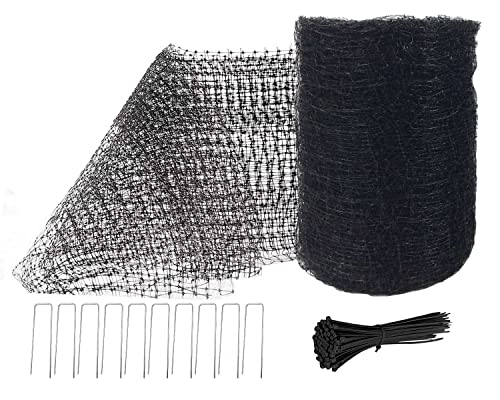
Feitore’s deer fence netting offers a robust 3/4 inch mesh designed for maximum plant protection without harming wildlife. This reusable PP netting is described as tough yet lightweight, providing a barrier that deters birds and larger animals from grapevines and surrounding shrubs. Easy-to-use accessories are included, such as nails and cable ties, making it suitable for expanding vineyards or protecting standalone grape plots without impeding growth or pollination.
Junkogo Bird Netting — 15×40 Ft

JUNKOGO’s 15×40 ft netting uses a heavy-duty woven construction with 1/2 inch mesh, providing substantial resistance to tearing from pests while remaining easy to handle. It is designed to withstand temperature fluctuations and UV exposure, ensuring reusability across seasons. The netting’s elasticity helps maintain coverage over irregular grape trellises and prevents small animals from accessing fruit clusters without compromising plant vigor.
Vocray Bird Netting — 25 x 100 Ft
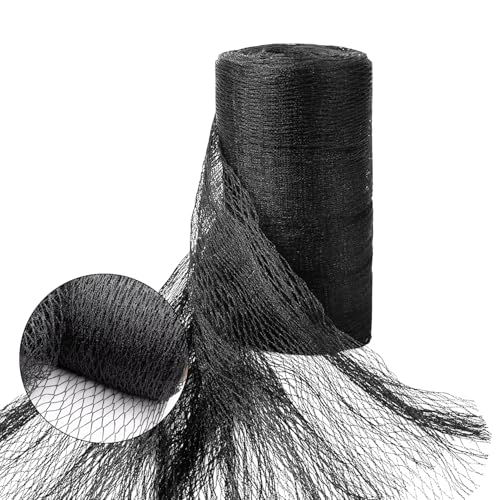
The Vocray 25×100 ft netting provides a 1 inch mesh, designed to shield larger acreage while preventing chickens or garden wildlife from entering protected zones around vineyards. Made from UV-stabilized HDPE, this netting resists wear from wind, sun, and rain, offering multi-season protection for grapevines and adjacent crops. Its larger mesh is effective against some birds without overly restricting air flow or plant growth.
MEANCHEN Bird Netting — 13×50 FT

MEANCHEN’s 13×50 ft netting uses UV-resistant polypropylene to deliver durable, all-weather protection. The 1/2 inch mesh is sized to block common vineyard pests while still allowing sunlight and rain to reach grapevines. This netting is framed as versatile for use beyond netting, serving as a guide or barrier for raised beds or as a poultry barrier, making it a flexible choice for home grape growing.
Buying Guide: Key Considerations For Selecting Grapevine Netting
- Mesh Size: For grapes, 1/2 inch mesh typically blocks most birds without overly restricting growth. Larger mesh may allow pests to squeeze through but can be effective for larger vine areas when combined with proper coverage.
- Material And Durability: HDPE and PP nets resist UV damage, moisture, and temperature swings. Look for UV stabilization and rot resistance for year-round use in variable climates.
- Coverage Area And Shape: Vineyards often require nets that can be laid over trellis rows with minimal cutting. Longer rolls (e.g., 25×100 ft) reduce seams but may require DIY adjustments for irregular layouts.
- Ease Of Installation: Include hardware like ties, nails, or staples. Nets that are easy to cut and secure save time and reduce installation fatigue, especially in larger plots.
- Reuse And Longevity: Reusable nets reduce long-term costs and waste. Check customer feedback on tearing resistance and how well nets hold up after multiple growing seasons.
- Animal Friendly: Opt for nets designed to prevent entanglement and avoid harming birds or small mammals. Some nets are explicitly marketed as safe and non-toxic.
- Airflow And Pollination: Ensure the netting does not create excessive shade or restrict air movement around grape clusters, which can affect fruit quality and ripening.
- Weather Compatibility: Consider climates with extreme heat or cold. Materials with anti-UV properties and temperature tolerance perform better across seasons.
Selecting the right bird netting for grapes involves balancing protective strength with horticultural compatibility. The featured options emphasize durability, weather resistance, and practical installation, helping grape growers maintain yields while minimizing wildlife damage.