The following selection focuses on raised garden beds that fit decks and patios, emphasizing easy access, sturdy construction, and good drainage. Each product listed is designed for elevated planting, helping you grow vegetables, herbs, or flowers with less bending and more curb appeal. The list includes wood and metal options with wheels, liners, or self-watering features to suit different deck layouts and climates.
| Product | Material | Capacity | Key Feature |
|---|---|---|---|
| Best Choice Products 48 x 24 x 30 | Wood | 200 lb | Large planting space with bed liner |
| Best Choice Products Raised Bed 48x24x32 | Wood | 32" tall | Lockable wheels and liner |
| Keter Urban Bloomer 12.7 Gal | Plastic (PP) with self-watering gauge | 12.7 gal | Integrated gauge and drainage control |
| LEETOLLA 32" Tall With Wheels | Powder-coated steel | 400 lb | Wheels and shelf for mobility |
| Best Choice Products 72x24x30 | Wood | 300 lb | Divider panel and six drainage holes |
Best Choice 48x24x30 Raised Bed
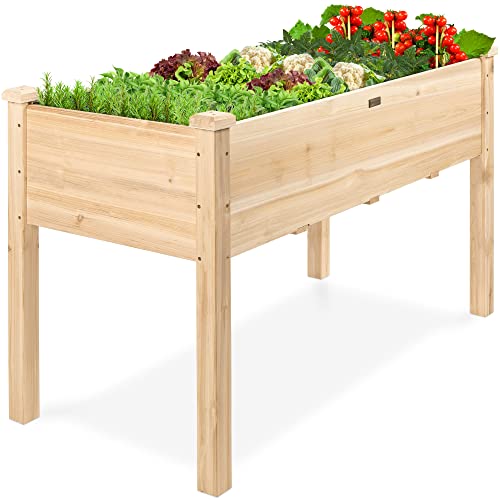
This elevated wood planter provides a long 5 cu ft planting space, enabling ample room for vegetables and herbs. Its design supports proper drainage to prevent waterlogging and mineral buildup, helping soil stay fresh. The all-wood construction uses Chinese fir for a durable, weather-resistant frame that remains sturdy on decks. The bed liner protects the wood from soil contact, extending the planter’s life while keeping maintenance manageable.
Best Choice Raised Bed 48x24x32 with Wheels
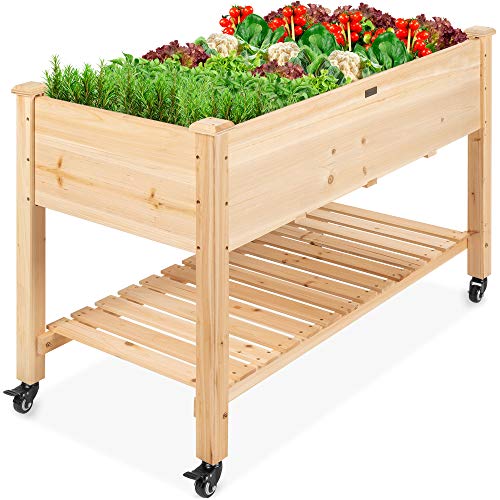
This elevated planter stands 32 inches tall, reducing the need to bend when tending plants. It includes lockable wheels for easy relocation to optimize sun exposure and shade. A built-in garden bed liner helps insulate roots and prevent weeds from invading, ensuring healthier growth and simpler upkeep on decks or patios.
Keter Urban Bloomer Raised Bed

This compact, self-watering bed blends convenient irrigation with a built-in gauge indicating when water is needed. Its drainage system supports full control over watering, making it a smart choice for decks where moisture management is essential. The unit’s 32.3 x 14.7 x 30.7 inch dimensions fit tighter balcony or terrace spaces without sacrificing root health.
LEETOLLA 32" Tall With Wheels

This anti-rust steel planter supports up to 400 pounds and uses a powder-coated finish with thick protection to resist weathering for years. Mobility is enhanced by large wheels and a comfortable handlebar, making it suitable for decks with limited space. Its dual-layer drainage system prevents waterlogged soil, promoting robust root development during rainy seasons.
Best Choice 72x24x30 Raised Bed

With an 8.4 cubic feet planting area, this elevated bed supports a wide variety of plants, including flowers and vegetables. Six drainage holes aid aeration and excess water removal, while the all-wood construction in Chinese fir offers durability and weather resilience. A divider panel helps organize plant groups and optimize space on decks and patios alike.
Buying Guide
Key considerations when selecting a raised planter for a deck include construction materials, load capacity, drainage, and mobility. Wood beds offer natural aesthetics and good stability but may require more maintenance to prevent warping. Metal or steel options often provide high strength and longevity, with powder coatings that resist rust. Drainage is essential; seek planters with multiple drainage holes or built-in liners to manage moisture and reduce rot risk.
Deck dimensions and weight capacity should guide your choice. Taller units reduce bending but may be harder to move if you need to rearrange or rotate sun exposure. Wheels are useful for frequent repositioning, yet locking mechanisms ensure stability when plants need steady support. Self-watering features or reservoirs can simplify care, particularly in hot climates where soil dries quickly.
Consider the intended plants. Deep beds suit vegetables and larger-root crops, while shallower spaces work well for herbs and flowers. A liner or barrier between soil and wood extends life by limiting moisture contact with the frame. Finally, plan for drainage placement, cover versus open top, and the ease of assembly to match your deck’s footprint and lifestyle needs.