Enhance your garden’s resilience with live ladybugs, a natural solution for reducing pests like aphids and mites. This guide highlights top options, their benefits, and practical tips for releasing and storing these beneficial insects. Each product below is chosen for wide availability, proven effectiveness, and suitability for homes, greenhouses, and small farms.
| Product | Count | Key Benefit |
|---|---|---|
| Natures Good Guys 1500 Live Ladybugs | 1500 | Guaranteed live delivery, educational release tips |
| Buddy Bugs 1500 Pre-Fed Live Ladybugs | 1500 | Pre-fed, garden-friendly |
| NaturesGoodGuys Live Ladybugs -150 | 150 | Indoor/outdoor use, predator control |
| 1500 Live Ladybugs – Hippodamia Convergens | 1500 | Natural balance for outdoor spaces |
| Clark & Co Organic 1500 Live Ladybugs | 1500 | Pre-fed ready for release |
When choosing live ladybugs, consider release method, storage options, and the types of pests you need to control. Most options arrive in mesh bags or plastic containers and include practical release guidance. For best results, release on mild, dry days and ensure a steady food source—files of aphids or other pests—are present in your garden. Always refrigerate as instructed if you’re not releasing immediately. The right balance of environment and timing helps ladybugs thrive and maximize garden benefits over the season.
Natures Good Guys 1500 Live Ladybugs

This option from Natures Good Guys provides a substantial release of 1,500 live ladybugs, a common choice for early-season aphid control. The product packaging often includes an educational sheet with release tips, rates, and fun facts, helping beginners understand how ladybugs contribute to garden health. The ability to store the ladybugs in a refrigerator for up to two weeks offers flexibility for staged releases. Ladybugs act as general predators, targeting aphids, moth eggs, mites, scales, thrips, leaf hoppers, mealybugs, chinch bugs, and whiteflies, among others. This makes them a versatile solution for diverse garden challenges.
Buddy Bugs 1500 Pre-Fed Live Ladybugs

Buddy Bugs offers 1,500 live ladybugs that are commonly used by gardeners for healthier plants. Labeled as a garden-friendly addition, this option highlights ease of use with pre-fed insects and simple release steps. Gardeners can open the packaging and gently release the insects wherever they’re needed to target pest hotspots. This product suits home gardens, patios, and small landscapes looking for a natural, non-toxic pest management approach.
NaturesGoodGuys – Live Ladybugs -150
This smaller package from the same brand focuses on flexibility for indoor or outdoor use. The mesh bag packaging helps gardeners manage release timing while providing a steady supply of beneficial insects to combat aphids, scales, mealybugs, and other pests. The availability of live adults makes it suitable for ongoing pest control across multiple garden zones.
Live Ladybugs – Clark&Co Organic 1500

Clark & Co Organic offers 1,500 live ladybugs, described as good bugs for garden use with pre-fed insects to support immediate release. The product notes emphasize their predator role against a wide range of slow-moving pests, including aphids and whiteflies. They also highlight kid-friendly benefits for educational activities or school projects, making this option appealing for families and community gardens. Storage guidance indicates a short-term cool storage window to maintain vitality.
1500 Pre-Fed Live Ladybugs for Aphid Control
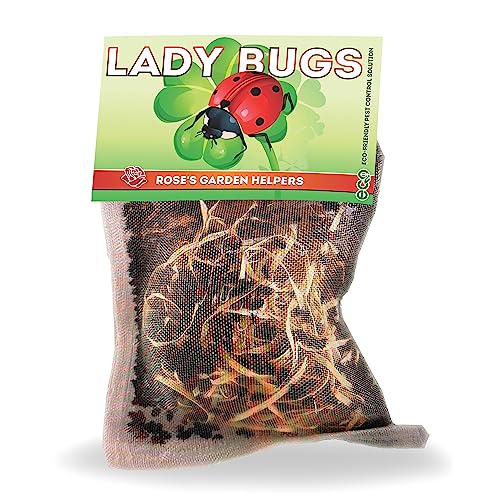
This pre-fed mesh bag option emphasizes practical release steps and release areas suitable for small to medium outdoor spaces. The description notes natural garden balance as a core benefit, with ladybugs contributing to pest suppression across a range of slow-moving insects. The product is versatile for home gardens, greenhouses, and farms, making it a reliable, broad-use choice for ongoing pest management without chemical interventions.
150 Live Ladybugs – Plastic Container

This 150-count option provides a compact, controlled release for smaller gardens or targeted pest hotspots. The accompanying usage guide outlines step-by-step release and storage recommendations to maximize effectiveness. With a focus on natural garden balance, these ladybugs support ongoing pest management without disrupting beneficial insects or garden ecosystems. The product is suitable for balcony planters, microgreens setups, or small vegetable plots where quick response to pest activity is needed.
Buying Guide
Key purchase considerations
Release method and timing: Choose products that match your garden schedule. Some come pre-fed or with release tips, improving immediate impact.
Storage and freshness: Refrigeration options help you stage releases across several days and minimize early mortality.
Garden size and scope: Larger spaces may benefit from higher counts (1,500) while smaller balconies can start with fewer insects.
Pest targets: Verify the insects listed (aphids, mites, whiteflies, etc.) align with your garden’s current pest profile.
Educational value: Some options include release sheets or activity information, which can be useful for households, classrooms, or community gardens.
Product diversity and outcomes
Different brands offer similar benefits with variations in packaging, pre-feeding status, and storage options. For best results, select a mix of immediate-release insects and longer-term supply to sustain ongoing predation across pest waves. Combining products can help cover diverse plant types—from ornamentals to edibles—and support integrated pest management without reliance on chemical controls.
Environment and safety considerations
Live ladybugs are non-toxic and generally safe for households and pets when released as directed. Avoid releasing indoors in a sealed area without airflow, and consider releasing near infected plants during mild weather to encourage immediate activity. Store boxes away from direct sunlight and heat to preserve vitality before release.