Protecting fruit trees, vegetables, and ornamental shrubs from birds while keeping your plants healthy is a common gardening goal. This guide reviews top plant netting options that deter birds and other small animals without harming wildlife. Each pick emphasizes durable materials, easy installation, and reusable design for long-term use.
| Product | Best For | Mesh Size |
|---|---|---|
| Feitore Deer Fence Netting | Large areas; deer and bird protection | 3/4″ square |
| KLEWEE Bird Netting (7.5×100 ft) | Fruit trees, vegetables, berries | 3/4″ square |
| SnugNiture Garden Netting (10×33 ft) | Small to medium plantings; greenhouse rows | 0.1 mm ultra-fine mesh |
| UWIOFF Garden Netting (7×100 ft) | Extensive garden protection | 3/4″ square |
| RIFNY Bird Netting (13×40 ft) | Long linear installations; larger plots | 1/2″ mesh |
The selections below highlight five products with strong protection, durability, and easy setup. Each section includes a brief description, key features, and practical installation notes to help you compare at a glance.
Feitore Deer Fence Netting
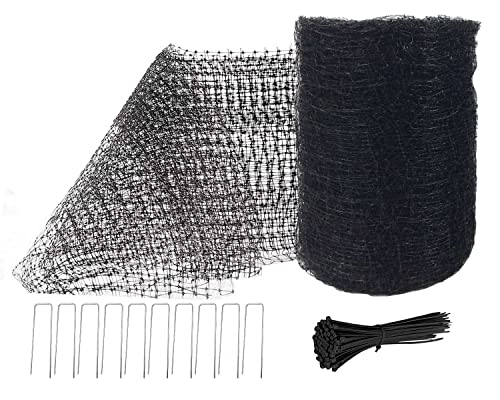
Feitore’s 7 x 100 feet deer fence netting uses a 3/4 inch square mesh designed to protect gardens from birds and larger pests alike. Constructed from durable polypropylene, it is lightweight yet strong, resisting tearing, rust, and rot. The kit includes installation nails and cable ties, facilitating quick setup around fruit trees, shrubs, and vegetable beds. While primarily marketed for deer, the mesh size effectively deters many birds without harming them. Reusability makes it a cost-effective choice for seasonal protection in American gardens.
Ruolan Bird Netting for Garden
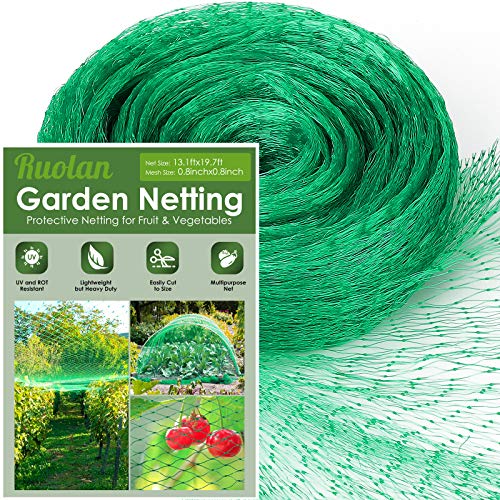
Ruolan offers a 13 x 20 feet garden netting with a 0.8 inch square mesh designed to shield fruit trees, blueberries, and other crops from birds, deer, and squirrels. The polypropylene mesh is reusable and easier to cut and shape than rigid barriers. DIY installation is straightforward: fix it on stakes or columns to cover individual plants or small rows. Its balance of size and mesh openness makes it suitable for protecting moderate-sized plantings without hindering growth.
KLEWEE Bird Netting (7.5×100 ft)

This large-capacity netting uses a 7.5 ft by 100 ft roll with a 3/4 inch mesh to guard ripening fruits, trees, and vegetables from birds, deer, and other critters. Included accessories consist of metal U-shaped staples and zip ties to secure the netting, aiding a quick, tidy installation. UV-stabilized to withstand sun exposure, the material remains durable over multiple growing seasons and is suitable for extensive gardens or orchard rows.
KLEWEE Bird Netting (7.5×25 ft)
This shorter variant from KLEWEE preserves the same 3/4 inch mesh and protective design in a compact 7.5 x 25 ft footprint. It comes with installation staples and zip ties for flexible coverage of smaller fruit trees, berry patches, or raised beds. The UV-resistant construction ensures longevity, making it a practical option for seasonal protection across various garden layouts.
RIFNY Bird Netting (13×40 ft)

RIFNY delivers a long, 13 x 40 feet garden netting with a 1/2 inch mesh, designed for larger installations and rows. The HDPE-based material offers weather resistance, rot resistance, and reusability. Its relatively small mesh size is effective against birds and smaller pests while still allowing light, air, and water to reach plant canopies. The netting’s flexibility makes it suitable for property borders, vineyard rows, or orchard belts where birds patrol extensively.
Buying Guide
Choosing the right plant netting involves weighing protection level, ease of use, and impact on plant health. Consider the following perspectives to align with your garden’s needs.
- Mesh size and coverage: Smaller mesh (around 1/2 to 3/4 inch) prevents most birds from entering but should not excessively restrict air flow or sunlight. Larger plots may require wider coverage with multiple rolls.
- Material durability: Polypropylene and HDPE blends offer UV resistance and weather tolerance. Reusable nets save money over multiple seasons but may require careful storage to prevent tangling.
- Installation ease: Nets with included staples, zip ties, and nails speed setup. Some products are easily cut to shape, which helps protect irregular bed layouts or irregularly shaped trees.
- Bycatch considerations: Ensure the mesh is designed to deter birds without trapping or harming wildlife. Avoid nets with excessively tight meshes that could harm birds already caught accidentally.
- Longevity and maintenance: Check whether the netting resists rust, rot, and tearing. Lighter nets may tear under wind or heavy fruit loads, while heavier, UV-stabilized nets tend to last longer in outdoor conditions.
- Compatibility with crop type: For fruit trees and berries, taller nets or extended rows may be necessary. For small potted plants, compact nets or drawstring models can be more convenient.
- Storage and reuse: Consider how easy it is to fold or roll the net for off-season storage. Clear labeling helps with quick deployment the next season.
In practice, for larger plots with fruit trees, nets like Feitore or UWIOFF provide broad coverage and durability. For smaller gardens or raised beds, Ruolan, KLEWEE variants, or SnugNiture offer flexible sizing and easy setup. If you need long, continuous coverage along rows or borders, RIFNY’s 13×40 ft option presents a strong balance of mesh size and area protection. Always verify installation height to ensure birds cannot easily perch above the net.