Azaleas thrive in acidic soil that allows optimal nutrient uptake. This guide reviews top soil acidifiers that help lower pH, improve blooming, and support healthy, vibrant azaleas. Below, five carefully chosen products are evaluated by their acidity impact, safety, and suitability for azaleas and other acid-loving plants. A quick summary table is provided to compare key features at a glance.
| Product | What It Does | Ideal For | Notes |
|---|---|---|---|
| True Organic Soil Acidifier | Lowers soil pH | Azaleas, Hydrangeas, Rhododendrons | Blue hydrangea option |
| GARDENWISE 8-4-8 | Soil acidification & micronutrients | Azaleas, Camellias, Rhododendrons | Iron-rich formula |
| Espoma Organic Soil Acidifier (6 Lb) | Elemental sulfur-based pH reduction | All acid-loving plants | Turns hydrangeas blue |
| Espoma Organic Soil Acidifier (30 Lb) | Long-lasting pH adjustment | All acid-loving plants | Organic gardening approved |
| Fertilome Soil Acidifier Plus Iron | Reduces alkalinity; adds iron | Roses, Azaleas, Gardenias | Includes trace elements |
Note: Always follow product-specific instructions and test soil pH before application to avoid overstressing plants. For azaleas, aim for a soil pH around 4.5 to 5.5, depending on cultivar and local conditions.
True Organic Soil Acidifier

True Organic Soil Acidifier lowers soil pH to create an optimal environment for acid-loving plants, including azaleas. It is ideal for hydrangeas seeking blue blooms by boosting soil acidity. The formula supports acid-loving plant health and vitality across a range of species, such as azaleas, rhododendrons, blueberries, and camellias. Application guidance emphasizes consistent, moderate use to maintain desired pH levels without stressing plants.
GARDENWISE 8-4-8 Acidic Fertilizer

This product acts as a soil acidifier and provides essential nutrients like magnesium, iron, and manganese to prevent chlorosis in acid-loving plants. It is particularly suitable for azaleas, camellias, rhododendrons, and hydrangeas, and also benefits magnolias, evergreens, and blueberries. An eco-conscious bio-solid base adds microbial life to soil, supporting long-term soil health while maintaining acidity for optimal nutrient uptake.
Espoma Organic Soil Acidifier 6 Lb
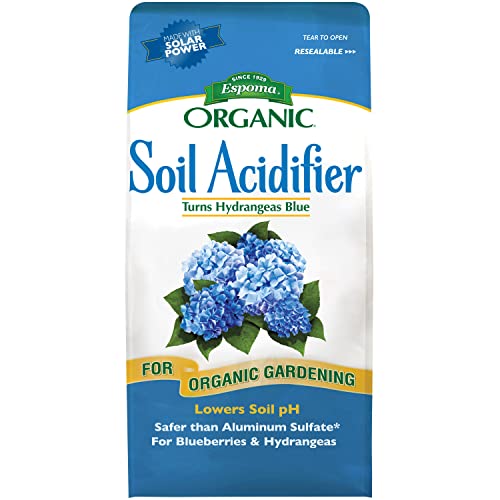
Espoma Organic Soil Acidifier uses elemental sulfur and gypsum to lower soil pH, making it suitable for azaleas, hydrangeas, rhododendrons, blueberries, and camellias. This product is well-regarded for turning Mophead and Lacecap hydrangeas blue when incorporated into soil. Its organic compatibility makes it a popular choice for organic gardeners seeking safe, effective pH modification.
Espoma Organic Soil Acidifier, 30 Lb

This larger Espoma option delivers broad pH-lowering capabilities suitable for extensive planting beds. It contains elemental sulfur and gypsum to help maintain acidic soil conditions for azaleas, hydrangeas, rhododendrons, blueberries, and camellias. Its size makes it practical for bigger gardens where multiple acid-loving plants coexist, reducing the need for frequent applications.
Espoma Organic Soil Acidifier Amendment
This amendment is designed to lower soil pH while supporting organic gardening principles. It contains elemental sulfur and gypsum, enabling consistent acidification for azaleas, hydrangeas, and other acid-loving plants. Its balanced formula helps maintain stable soil chemistry, contributing to more vibrant blooms and healthier plant growth over time.
Fertilome Soil Acidifier Plus Iron

Designed for acid-loving plants like roses, gardenias, azaleas, and hollies, this product reduces soil alkalinity while supplying essential trace elements, including iron, zinc, sulfur, magnesium, and copper. The iron content helps prevent yellowing and chlorosis in azaleas, supporting stronger, more vibrant foliage and a robust flowering habit in acidic soils.
Bloom City Acid-Loving Plant Fertilizer
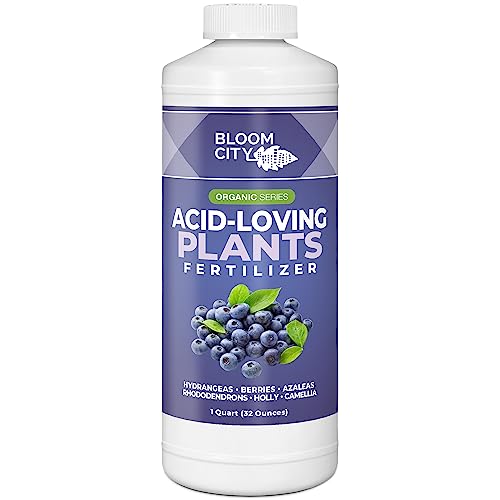
Bloom City’s acid-lovers fertilizer is designed to maintain acidic soil pH and promote optimal growth for azaleas, rhododendrons, blueberries, and other acidophilic plants. It uses succinic acid components to optimize soil acidity, enhancing nutrient uptake and plant health. The formulation supports steady growth and improved bloom production in acidic environments.
Buying Guide: Key Purchase Considerations
- Soil pH targets: Determine your current soil pH with a test kit and aim for the range ideal for azaleas (roughly 4.5–5.5). Choose products that match your target and plant variety.
- Form and longevity: Sulfur- or gypsum-based products generally lower pH gradually. Powder, pellets, or granular forms vary in application frequency; consider smaller, more frequent applications for precise control.
- Nutrient balance: Some products include essential micronutrients (iron, magnesium, manganese) that help prevent chlorosis and support flowering. Decide if you need an acidifier with micronutrients or a separate fertilizer.
- Organic vs. synthetic: Organic options suit organic gardens and may offer slower, steadier pH adjustment. Synthetic formulations can provide quicker results but may require careful dosing.
- Plant safety and labeling: Check compatibility with azaleas and other landscape plants. Follow labeling for application rates, watering, and timing to minimize plant stress.
- Environmental impact: Consider eco-friendly bases like bio-solid or naturally derived acids. Ensure the product complies with local gardening standards and safety guidelines.
- Hydrangea color goals: If blue hydrangeas are desired, prioritize products explicitly designed to lower pH and release sulfur or similar compounds to achieve blue hues.
For best results, apply gradually while monitoring soil pH over several weeks. Re-test soil after each major weather event or irrigation cycle, and adjust the plan to maintain a stable acidic environment for azaleas and other acid-loving plants.