Choosing the right weed barrier can save time, reduce chemical use, and improve soil health. Biodegradable paper weed barriers provide a breathable, sun-blocking option that supports plant growth while breaking down naturally. This article highlights five reliable paper weed barriers and explains what to consider when buying. Each product section includes a quick visual reference and practical usage tips to help American gardeners compare options at a glance.
| Product | Roll Size | Material | Key Benefit |
|---|---|---|---|
| gjkldcvb 4 x 50 Ft Biodegradable Paper Weed Barrier | 4 x 50 ft | Biodegradable paper | Block weeds; enriches soil |
| gjkldcvb 4 x 100 Ft Biodegradable Paper Weed Barrier | 4 x 100 ft | Biodegradable paper | Longer run; low maintenance |
| DECOHS 3 x 50 Ft Biodegradable Paper Weed Barrier | 3 x 50 ft | Biodegradable kraft paper | Breathable weed control |
| AGEGOMIC Biodegradable Weed Barrier 4 x 100 Ft | 4 x 100 ft | Biodegradable kraft paper | Soil enrichment and airflow |
| LGJIAOJIAO 3ft x 50ft Weed Barrier Fabric | 3 x 50 ft | Polypropylene geotextile | Durable weed protection |
Each option emphasizes biodegradability or breathable performance, balancing weed suppression with soil health. When selecting, consider roll size for your garden area, how you’ll integrate it into soil, and whether you prefer shorter, easily replaceable rolls or longer runs for fewer seams.
Gjkldcvb 4×50 Ft Biodegradable Weed Barrier

The 4 x 50 ft roll uses 100% biodegradable wood pulp material with zero plastic, enabling natural degradation as you work. The barrier is designed to suppress weed germination by blocking sunlight while allowing air and water through. Garden beds can benefit from this protective layer without introducing plastic waste, and it can be tilled into soil to increase organic matter at season’s end. Ideal for medium-sized beds and borders, it reduces manual weeding while supporting organic crop growth.
Usage notes: lay flat with minimal folds, overlap seams to minimize light gaps, and secure with pins or soil to prevent displacement in windy areas. This option suits gardeners seeking a simple, eco-friendly weed control method that integrates into organic soil management.
Gjkldcvb 4×100 Ft Biodegradable Weed Barrier
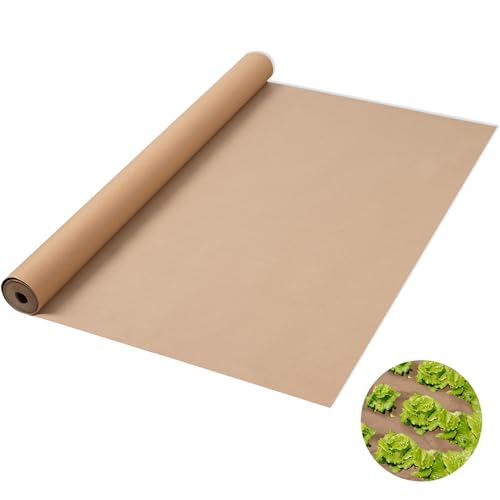
This longer 4 x 100 ft roll provides a substantial barrier with the same 100% biodegradable composition. Its design supports extended weed suppression across larger garden sections, reducing the frequency of reapplication. Like the 4×50 version, it decomposes naturally, enriching soil as it breaks down. The open pore structure permits water infiltration and air movement, helping seedlings establish in a stable microclimate while curbing weed competition.
Best practices include pairing with compost or mulch at the edges to minimize edge exposure and ensure even coverage over irregular bed shapes. This option is particularly advantageous for vegetable plots or perennial borders that span larger areas.
DECOHS 3×50 Ft Biodegradable Paper Weed Barrier

DECOHS offers a compact 3 x 50 ft biodegradable paper barrier, suitable for smaller beds and containers. Made from kraft paper, it can be tilled into soil after use to support organic matter levels and soil health. The barrier effectively reduces weed growth by limiting sunlight while maintaining airflow and moisture to plant roots. It’s a balanced option for gardeners who need a lighter, more maneuverable roll for precision weed control without plastic fibers.
Tip: for irregular layouts, fold edges to fit curves and tuck seams under mulch to improve weed suppression. The absence of plastic helps maintain a plastic-free gardening routine focused on soil vitality.
AGEGOMIC Biodegradable Weed Barrier 4×100 Ft

AGEGOMIC contributes a robust 4 x 100 ft biodegradable kraft paper barrier designed to both suppress weeds and enrich soil as it degrades. The open-fiber structure supports airflow and water movement, helping to maintain soil moisture without starving roots of light. Over time, the paper breaks down into organic matter, promoting nutrient cycling and soil texture improvement. This option is well-suited for larger garden beds and landscape borders that require durable coverage with sustainable credentials.
Practical guidance includes seaming with overlap and anchoring with soil staples in windy locations. Consider pairing with mulch along the edges to reduce edge light leakage and maintain a stable microclimate for seedlings.
LGJIAOJIAO 3ftx50ft Weed Barrier Fabric
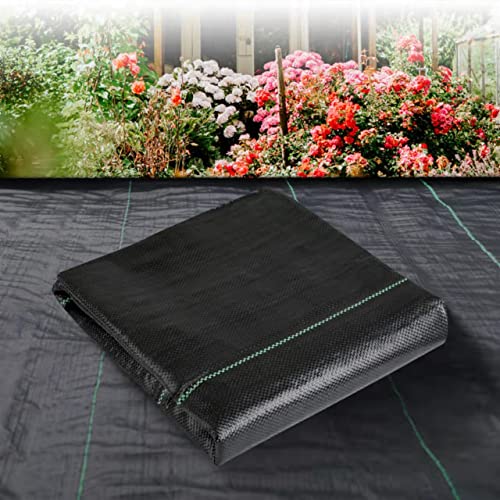
LGJIAOJIAO provides a compact 3 ft by 50 ft heavy-duty weed barrier fabric crafted from polypropylene. Its high tensile strength and tear resistance support durability in high-traffic areas or larger landscape installations. While blocking weed germination, the fabric is designed to allow water and nutrients to pass through to the soil, promoting plant health. This option is particularly attractive for pathways, underlayments, or garden beds where long-term protection is needed against persistent weeds.
Consider this fabric when you expect routine maintenance or expect to walk repeatedly over the area. Its strength makes it a reliable underlayment for various lawn-to-garden transitions, ensuring consistent weed suppression even under foot traffic.
DECOHS 3×100 Ft Biodegradable Paper Weed Barrier

The 3 x 100 ft DECOHS roll offers extended coverage for large beds or allotment plots. Made from biodegradable kraft paper, it can be tilled back into soil to enrich organic matter and support future plant growth. The barrier provides weed suppression while maintaining airflow and moisture movement to the root zone. This option balances durability with eco-friendly disposal, reducing waste from plastic-based barriers.
Implementation tips include aligning seams with bed edges and using soil staples or mulch to secure the material. It’s suitable for gardeners who prioritize natural soil-building practices and want a dependable roll for sizeable garden sections.
Buying Guide: Key Considerations And Comparisons
When selecting a paper weed barrier, weigh the following factors to match your garden goals:
- Biodegradability vs. durability: Biodegradable kraft paper options enrich soil as they decompose, while heavier plastic-backed fabrics offer longer-term weed suppression. Choose based on your preference for soil enrichment and replacement frequency.
- Roll size and garden area: Larger beds benefit from longer rolls to reduce seams, while smaller plots are easier to manage with 50 ft segments. Consider future expansions to minimize wasted material.
- Breathability and moisture movement: A good barrier blocks light but allows air and water to reach roots. This balance prevents soil drying and supports seedling growth.
- Soil health impact: Some papers are designed to degrade rapidly, releasing natural nutrients back into the soil. This can be advantageous for organic or regenerative gardening approaches.
- Ease of installation: Lightweight rolls are easier to handle but may require more seams and staples. Heavier fabrics last longer but can be tougher to cut and fit around irregular shapes.
- Environmental footprint: If avoiding plastic is a priority, select 100% biodegradable paper designs. For high-traffic landscapes, consider durable fabrics that resist tearing.
- Seaming and anchoring: Plan for overlaps at seams and secure edges with stakes or soil to prevent wind displacement, especially along borders and raised beds.
- End-of-season strategy: Some barriers can be tilled into soil; others should be removed. If you aim to improve soil structure annually, prefer barriers designed for natural breakdown.
In summary, the best paper weed barrier depends on bed size, climate, and gardening philosophy. For eco-friendly soil enrichment, biodegradable kraft paper rolls are appealing. For larger estates or pathways with heavy use, durable barrier fabrics may offer practical longevity. Across options, prioritizing breathable, light-blocking properties will typically yield strong weed suppression without compromising plant health.