Choosing the right germination blanket or ground cover can significantly improve grass seed germination and early establishment. This guide highlights top options—from specialized frost blankets to erosion-control mats—that help retain warmth, protect young sprouts, and speed up growth in various conditions. Each product is evaluated for coverage, durability, and practical use in home lawns, gardens, and larger landscaping projects. Read on to compare essentials, features, and practical considerations before choosing the best blanket or cover for your grass seedening needs.
Product Overview Table
| Product | Type | Key Benefit | Ideal For |
|---|---|---|---|
| DeWitt 4-Pack Single Net Excelsior Blanket | Excelsior blanket with netting | Soil retention and erosion control | Disturbed ground, slopes, seed establishment |
| Harvest Guard Frost Blanket | Floating frost protection blanket | Warmth retention and moisture management | Outdoor plants and lawn seed germination |
| Jutemill Jute Burlap Netting | Jute-burlap erosion control netting | Natural fiber blanket with loose weave | Raised beds, slope protection, seed cover |
| No-Till Winter Rye Seeds | Cover crop seed mix | Soil health, weed suppression, erosion control | Fall planting and green manure |
| Winter Rye Grass Seed Fall Mix | Rye grass seed mix | Cold-tolerant ground cover | Fall germination and cover crop |
DeWitt Single Net Excelsior Blanket

The DeWitt 4-Pack Single Net Excelsior Blanket uses natural Aspen wood fiber to create a protective blanket over disturbed ground. The long fibers are evenly distributed to support soil retention, helping to stabilize seed beds on slopes, embankments, and drainage areas. The blanket’s single net construction features a photodegradable top net that holds fibers in place during installation, while the overall product promotes soil stabilization and temporary coverage as vegetation establishes. This option is well-suited for erosion control and seed establishment on challenging sites where a physical barrier is beneficial.
Key considerations: The excelsior blanket provides physical protection and helps reduce surface soil movement. It is designed for temporary use during site preparation and early growth, but it may require additional mulch or seedbed amendments for optimal germination in extreme climates. Durability and handling are favorable for landscape projects where soil movement is a concern.
Harvest Guard Frost Protection Plant Cover

Harvest Guard Frost Protection Plant Cover is a floating frost blanket designed to shield outdoor plants and lawn seed germination from cold weather. The fabric helps trap heat and moisture to create a warmer microclimate, promoting faster and more reliable germination. It is reusable and breathable, allowing sunlight and air to pass through while protecting crops from winter frost, hail, and intense sun exposure. Made in the USA with carefully selected materials, this cover is a practical option for homeowners seeking a simple, reusable solution for early-season germination and fragile seedlings.
Key considerations: This blanket is ideal for extending the growing season and improving germination in cooler climates. It’s reusable, breathable, and easy to deploy over seed beds or small garden patches. Users should weigh the extra warmth against potential moisture buildup in extended use and ensure adequate ventilation on sunny days to avoid overheating young sprouts.
Jutemill Jute Burlap Netting
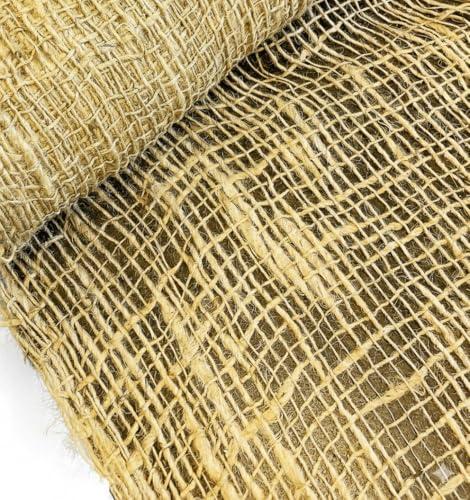
Jutemill Jute Burlap Netting provides a natural fiber blanket with a loose weave designed for erosion control and seed protection. Its large weave allows airflow while helping to keep seeds in place, making it suitable for seed covers, raised beds, and slope protection. The netting is sold in a 48-inch by 15-foot roll, offering ample coverage for medium to larger germination zones. The product leverages natural material properties to support soil retention and reduce erosion around newly seeded areas.
Key considerations: Burlap netting is biodegradable and environmentally friendly, which is advantageous for sustainable landscape projects. It may require additional anchoring in windy areas and can break down over time, so it’s best used as a temporary support structure during germination and early establishment. Its natural appearance also blends well with garden aesthetics.
No-Till Winter Rye Seeds
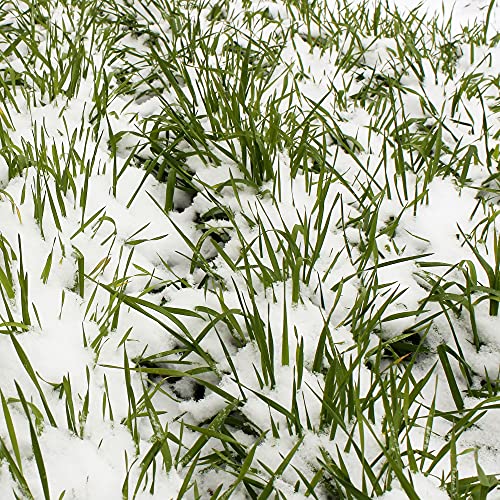
No-Till Winter Rye Seeds offer a premium cover crop option that improves soil health, suppresses weeds, and reduces erosion. While not a traditional blanket, winter rye can be used in conjunction with germination covers to create a protective seedbed environment. This non-GMO, heirloom rye variety germinates relatively quickly (4-10 days) and tolerates cold weather, making it suitable for fall planting. It can be tilled under as a green manure or harvested for rye grain, supporting soil structure before spring planting.
Key considerations: Rye as a cover crop can provide soil benefits beyond germination, including weed suppression and nitrogen fixation dynamics. It works best in larger plots and agricultural settings where fall-seeded cover crops are part of a broader soil health plan. Handle as part of a longer-term strategy rather than a sole germination blanket solution.
Pennington Smart Seed Clover And Grass Mix

Pennington Smart Seed Clover And Grass Mix combines turf grass with self-fertilizing Durana clover for a resilient, pollinator-friendly lawn. This mix is designed for quick establishment and long-lasting performance, even on slopes and hills. While not a traditional blanket, it represents a broader approach to germination and establishment through a robust seed blend that supports soil health, retention of moisture, and self-fertility—beneficial for low-maintenance lawns and mixed landscapes.
Key considerations: The blend offers ecological benefits due to clover, including pollinator support and potential nitrogen contribution. It’s well-suited for areas where quick cover and durable establishment are prioritized. For germination-specific needs, pairing with a temporary protective blanket or mulch layer may improve seed-to-soil contact and moisture retention in cooler or drier climates.
Buying Guide: Key Purchase Considerations For Grass Seed Germination And Cover Solutions
- Climate and season: In cooler regions or seasons, frost blankets and soil-warming mats can boost germination by maintaining warmth. For milder climates, erosion-control blankets can stabilize seed beds without excessive heat retention.
- Material type and durability: Natural fibers (jute, excelsior) are eco-friendly but may degrade faster, while synthetic blankets offer longer life and more uniform moisture retention. Consider project duration and environmental impact.
- Moisture management: Some covers are breathable to prevent mold, while others seal in moisture. Choose based on rainfall patterns and irrigation plans to avoid over-wetting seeds.
- Soil stability: For sloped or disturbed ground, erosion-control blankets and netting help hold seed in place and reduce erosion during heavy rainfall or wind events.
- Compatibility with seed type: Some products pair well with turf grasses, others with cover crops or lawn seed blends. Align product choice with your seed mix for best results.
- Reuse and disposal: Reusable frost blankets and covers save cost over time, while biodegradable options reduce waste. Plan for storage after the season ends.
- Ease of use: Consider installation ease, anchors, and removability. Simpler setups reduce labor time and improve uniform germination.
- Cost versus benefit: Weigh upfront costs against long-term soil health, weed suppression, and faster germination. Durable options may deliver better long-term value on larger projects.
- Environmental impact: Look for products made with sustainable materials and manufacturing processes, especially for extensive landscaping projects.
This guide provides a snapshot of practical germination blankets and covers. When selecting, balance climate, seed type, and project scale with the intended duration of use to maximize germination success and early growth without compromising soil health or environmental considerations.