Rotary tillers designed for skid steer attachments deliver powerful soil work for larger plots and demanding jobs. This guide highlights five front-runners that pair robust gearboxes, wide working widths, and compatible PTO or drive setups to help you choose the right attachment for your skid steer’s horsepower and soil conditions. Each option balances build quality, depth of cut, and ease of use to maximize field productivity.
| Product | Brand | Width | Horsepower Range | Key Feature |
|---|---|---|---|---|
| Sigma Heavy Duty Rotary Tiller (4′ / 48″) | POWER PRODUCTS | 4 ft (48 in) | 20-35 HP | Heavy-duty cast iron gearbox; PTO shaft included |
| Sigma Heavy Duty Rotary Tiller (5′ / 60″) | POWER PRODUCTS | 5 ft (60 in) | 24-45 HP | Heavy-duty gearbox; wider working width |
| King Kutter Gear-Driven Rotary Tiller (5 ft) | King Kutter | 5 ft | — | Adjustable skids; rear shield; grease-ready gearbox |
| King Kutter Gear-Driven Rotary Tiller (4 ft) | King Kutter | 4 ft | — | Greased gearbox; adjustable depth |
| Altdorff Rotary Cultivator | Altdorff | — | — | Solid steel head; reinforced handle; durable tines |
Sigma Heavy Duty 4′ Rotary Tiller for 20-35HP Tractors

Designed for CAT I 3-point hitches and PTO-driven gear drive, this 4-foot tiller offers precise tillage with a maximum 6″ cutting depth under ideal soil conditions. The heavy-duty cast iron gearbox supports consistent performance in mid-size applications. The unit ships with a PTO shaft for quick installation. While skid plates help reduce resistance and debris buildup, operators should adjust depth by blade condition and soil state.
Sigma Heavy Duty 5′ Rotary Tiller for 24-45HP Tractors
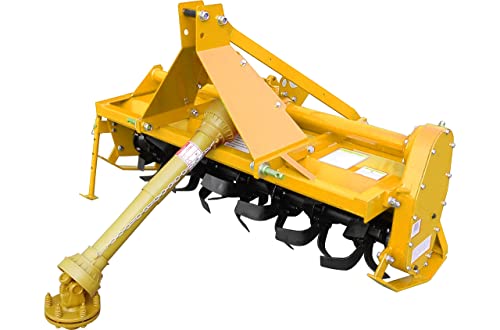
This 5-foot model expands working width for larger fields, still using a PTO-driven gear drive with a heavy-duty cast iron gearbox. Maximum tillage depth remains around 6″ under favorable conditions. Like other rotary tillers, cutting depth is influenced by blade condition, soil type, and the presence of debris. The design prioritizes stability and durability for more extensive tilling tasks.
King Kutter Gear-Driven Rotary Tiller – 5ft

King Kutter’s 5-foot gear-driven tiller emphasizes adjustable skids for depth control and a rear shield to manage soil mixing. The gearbox is built from heavy-duty cast iron and comes grease-ready for convenient maintenance. This model suits medium to large plots where consistent soil incorporation is needed and where ease of service is a priority.
King Kutter Gear-Driven Rotary Tiller – 4ft
This 4-foot model offers a compact option for smaller skid steer setups, with adjustable skids to control cutting depth and a grease-ready gearbox for straightforward maintenance. It provides reliable tilling performance in tighter spaces while maintaining the familiar durability of King Kutter gear-driven designs.
Altdorff Rotary Cultivator Garden Tiller

Altdorff emphasizes durability with no plastic components in the head and a reinforced, long-lasting handle. The tines are forged and designed for deep penetration into soil, promoting efficient tillage while aiming to minimize wear on the handle mechanism. This option suits buyers prioritizing a robust, all-metal construction for frequent use in demanding conditions.
Buying Guide: Key Purchase Considerations And Comparisons
When selecting a rotary tiller for a skid steer, several factors influence performance and value. This guide groups considerations into practical categories to help you compare options objectively.
- Working width and depth. Wider tillers cover more ground but require greater power and stability. Common ranges from the highlighted options are roughly 4 to 5 feet, with depths around 6 inches under favorable soil. Consider your field size and typical soil type when choosing width and depth.
- HP compatibility. Most mid-size skid steers in the 20–45 HP range pair well with 4–5 foot tillers. Verify your unit’s PTO hydraulics or drive configuration to ensure proper engagement and torque transfer to the gearbox.
- Gearbox material and maintenance. Cast iron gearboxes are robust but heavier; grease fittings and accessible seals ease upkeep. Confirm that the design supports the torque of your skid steer and that the manufacturer provides service recommendations and parts.
- Depth control and skid design. Skid plates and adjustable skids help manage cutting depth and reduce resistance from soil and debris. A rear shield can also help control material mix and fling, improving operator safety and field cleanliness.
- Ease of installation. PTO shaft compatibility and standard CAT I hitch interfaces simplify mounting. Ensure the model includes necessary shafts or adapters and that your skid steer’s hitch is compatible with the tiller’s mounting points.
- Durability versus cost. All-metal builds with reinforced handles and tines offer longevity in demanding use, while models emphasizing lighter weight may be easier to maneuver in tighter spaces but could require more frequent maintenance.
- Maintenance accessibility. Look for grease fittings, accessible gearbox housings, and straightforward blade replacement processes. A design that accommodates routine servicing reduces downtime and life-cycle costs.
- Soil and debris considerations. Soil conditions (clay versus sandy soils, root density, rocks) impact depth and cutting efficiency. Models with robust gearboxes and durable tines perform better in tougher soils and with frequent debris.
These considerations help balance performance with total cost of ownership. For owners of compact-to-mid-size skid steers, a 4–5 foot tiller with a robust gearbox and easily accessible maintenance points often yields the best value for frequent field work. Always verify compatibility with your specific skid steer model and consult the manufacturer’s installation guidelines before purchase.